
1 Timothy 5:4 is about the importance of showing respect and care towards widows within the Christian community, emphasizing the need for support and compassion for those who are vulnerable and in need.
4 But if a widow has children or grandchildren, let them first learn to show godliness to their own household and to make some return to their parents, for this is pleasing in the sight of God.
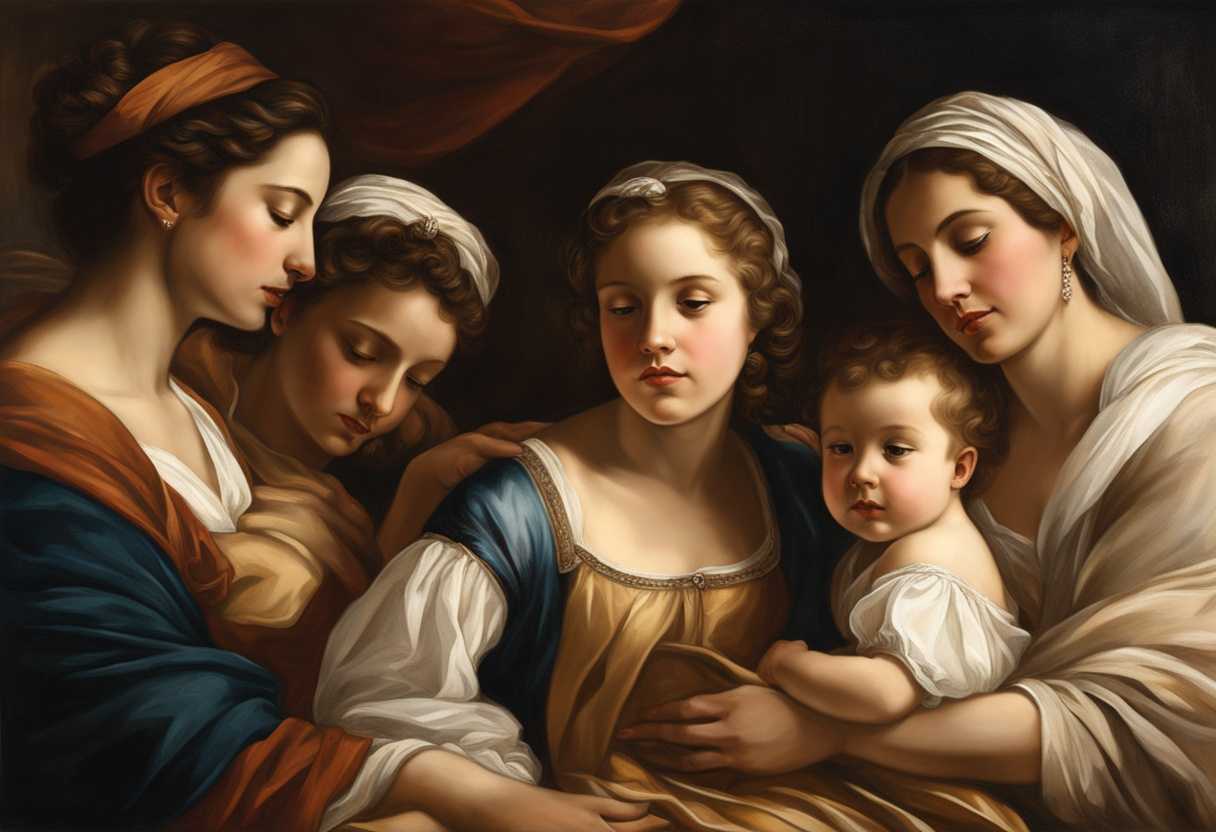
Setting the Scene for 1 Timothy 5:4
In 1 Timothy chapter 5, the scene is set in a bustling household within the early Christian community. The room is filled with widows who have been left without support, seeking solace and assistance from the church. Among them is a widow named Tabitha, known for her good deeds and acts of charity within the community. She is surrounded by other widows who have come together to share their stories, struggles, and find comfort in each other’s company.
As the women gather, they are joined by Timothy, a young leader in the church who has been tasked with overseeing the welfare of widows and ensuring they are cared for. Timothy listens attentively as the women speak, offering words of encouragement and support. The room is filled with a sense of camaraderie and unity as these women, despite their hardships, find strength in their shared faith and community.
The setting is humble yet filled with warmth and compassion, as these widows, including Tabitha, find a sense of belonging and purpose within the church. Through their gathering, they not only receive physical assistance but also emotional and spiritual support, embodying the teachings of love and care for one another as outlined in 1 Timothy chapter 5.
What is 1 Timothy 5:4 about?
This verse from 1 Timothy 5:4 emphasizes the importance of family responsibility and honoring one’s parents and grandparents. It specifically addresses the care of widows within a family context, highlighting the duty of children and grandchildren to provide for their aging relatives. Individuals fulfill a practical obligation and demonstrate their commitment to their faith by taking care of their own family members in need. The verse highlights the concept of putting religious beliefs into action through concrete acts of kindness and support towards one’s family members.
Reflect on the message behind this verse and consider the significance of familial bonds and intergenerational relationships in your own life. How do you perceive the idea of repaying your parents and grandparents for the love and care they have shown you over the years? Think about the ways in which you can embody this principle in your interactions with your family members and how you can live out your faith through acts of service and compassion. The verse ultimately prompts us to consider how we can honor and respect our family members, especially those who may be in need, as a way of pleasing God and upholding the values of our faith.
Understanding what 1 Timothy 5:4 really means
Structure for the Commentary:
1. Introduction to the Verse
2. Context and Background
3. Key Phrases and Their Meanings
4. Cross-references and Supporting Scriptures
5. Relevance to Modern Life
6. Anecdote and Practical Application
7. Conclusion and Call to Reflection
Commentary:
-
We are called to honor our familial responsibilities, particularly towards our parents and grandparents in this verse. It is a directive that underscores the importance of family bonds and the practical expression of faith through caring for those who raised us.
-
Context and Background:
Paul’s first letter to Timothy addresses various aspects of church leadership and community life. Paul provides instructions on how to treat different groups within the church, including widows in this specific chapter. The verse highlights the responsibility of children and grandchildren to take care of their elders, thus relieving the church of this burden and allowing it to focus on those truly in need. -
Key Phrases and Their Meanings:
- “Show piety at home”: This phrase emphasizes that true godliness starts within the family. Piety, or devoutness, should first be demonstrated through our actions toward our immediate relatives.
-
“To requite their parents”: Here, “requite” means to repay or show gratitude. This phrase encourages children and grandchildren to repay their parents for their upbringing and care.
-
Cross-references and Supporting Scriptures:
Ephesians 6:2-3 reiterates this principle by stating, “Honor your father and mother.” This commandment is linked to a promise of well-being and longevity. Similarly, Proverbs 23:22 advises, “Listen to your father who gave you life, and do not despise your mother when she is old.” -
The elderly often face isolation and neglect in today’s fast-paced world. This verse serves as a reminder that caring for our parents and grandparents is not just a social duty but a spiritual one. It calls us to integrate our faith into every aspect of our lives, including our family relationships.
-
John is a young professional to consider. He is busy with work and social commitments but makes time every week to visit his aging grandmother, bringing groceries and sharing meals. John understands that this simple act of kindness is a way to live out his faith. His grandmother’s gratitude and the deepened bond between them are invaluable.
-
Conclusion and Call to Reflection:
Reflect on your own family relationships. Are there ways you can better honor and care for your elders? This verse challenges us to view such responsibilities not as burdens but as opportunities to practice our faith. We should strive to embody this teaching, showing love and respect within our families as a testament to our devotion to God.
This structured approach not only elucidates the meaning of the verse but also provides practical insight, encouraging readers to apply these timeless truths in their daily lives.
How can we honor and care for our elders?
One way to honor and care for our elders is by providing for their physical needs. This can include ensuring they have adequate food, clothing, and shelter, and assisting with tasks they may find challenging due to age. We show our respect and appreciation for all they have done for us by meeting their basic needs. Spending quality time with our elders is another way to honor and care for them, in addition to physical care. Engaging in conversation, listening to their stories, and seeking their wisdom can be incredibly valuable for both parties. This not only fulfills the command to honor our elders but also helps create meaningful connections and strengthen family bonds.
Furthermore, showing love and respect towards our elders in both words and actions is crucial. This can be demonstrated through expressions of gratitude, acts of kindness, and by treating them with dignity and patience. Honoring and caring for our elders not only obeys the teachings of Scripture but also contributes to a culture of respect and appreciation for the wisdom and experience they bring to our lives.
Application
Imagine your family as the backbone of your life—a support system at work and home. 1 Timothy 5:4 reminds us to honor this very foundation. Show respect, care, and love, especially to those who raised you. Use your actions and words to express gratitude. It’s pleasing to God. Will you step up and cherish your family today?

Reverend Michael Johnson is an experienced Church Minister with a profound expertise in spirituality and guidance. With a serene presence and a compassionate heart, he has faithfully served his congregation for over 20 years, leading them on a spiritual journey towards inner peace and enlightenment. Reverend Johnson’s extensive knowledge of religious philosophies and profound understanding of human nature have made him a trusted confidant and mentor to many, as he seamlessly weaves his profound wisdom into life teachings. Reverend Johnson’s calming demeanor and empathetic nature continue to uplift and heal souls, nurturing a sense of unity and tranquility within his community.