
1 John 1:6-9 is about the importance of walking in the light, confessing our sins to God, and receiving His forgiveness and cleansing.
6 If we say we have fellowship with him while we walk in darkness, we lie and do not practice the truth.
7 But if we walk in the light, as he is in the light, we have fellowship with one another, and the blood of Jesus his Son cleanses us from all sin.
8 If we say we have no sin, we deceive ourselves, and the truth is not in us.
9 If we confess our sins, he is faithful and just to forgive us our sins and to cleanse us from all unrighteousness.
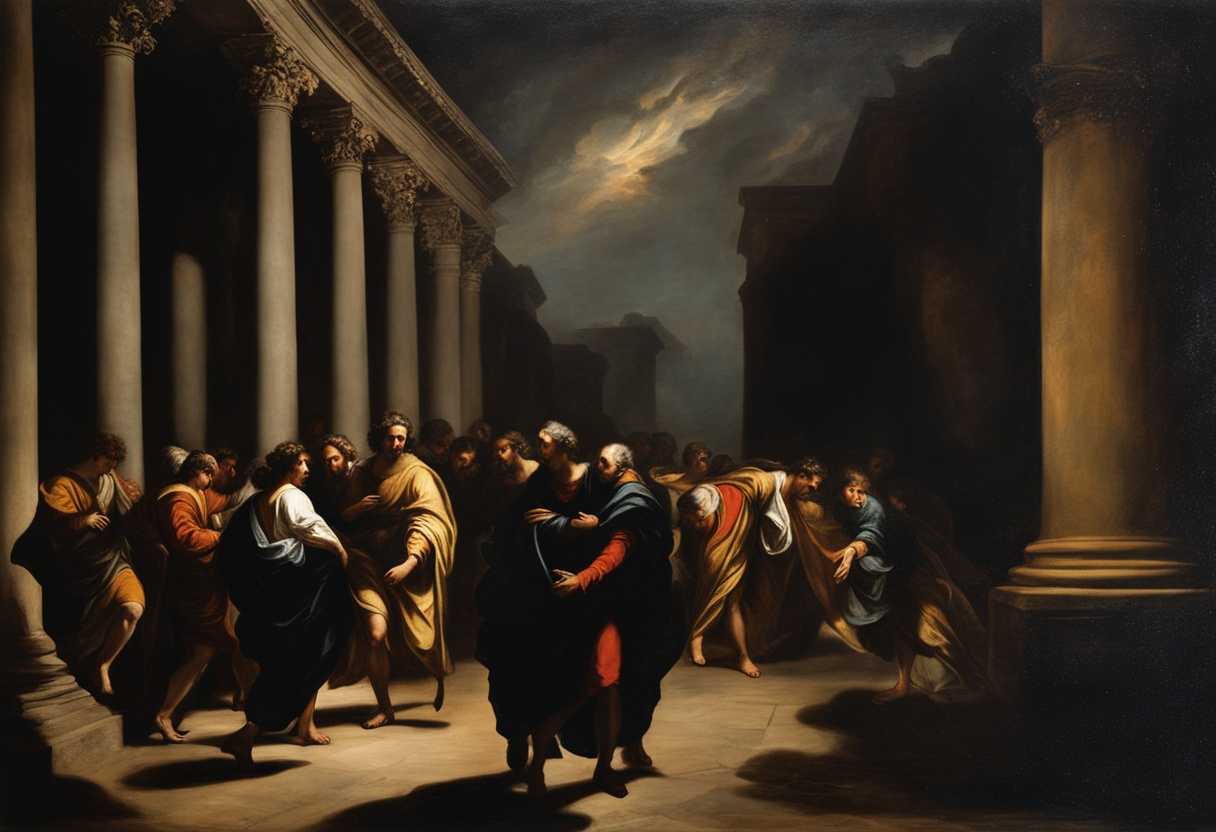
Setting the Scene for 1 John 1:6-9
In 1 John chapter 1, the scene is set in a small, dimly lit room in the city of Ephesus. The room is filled with a group of believers who have gathered together for a bible study session. The flickering light of the oil lamps casts a warm glow on the faces of those present, creating an atmosphere of intimacy and reflection.
Among the group are several prominent figures in the early Christian community, including the apostle John himself, who is leading the discussion. The believers have come together to deepen their understanding of the teachings of Jesus and to encourage one another in their faith journey. As they listen attentively to John’s words, the room is filled with a sense of reverence and unity.
In this setting, John speaks passionately about the importance of walking in the light of God’s truth and confessing our sins to receive forgiveness and cleansing. The believers hang on his every word, eager to grow in their relationship with God and to experience the freedom and joy that comes from living in His presence. The room is filled with a sense of hope and renewal as they reflect on the power of God’s grace and mercy in their lives.
What is 1 John 1:6-9 about?
Confession and the subsequent act of divine forgiveness and cleansing demonstrate immense power in this verse. We open ourselves to God’s infinite mercy and love by acknowledging our sins and shortcomings. Confession is not just about admitting our wrongdoings but also about humbly seeking reconciliation with God. It is a courageous act that requires us to confront our mistakes and take responsibility for them.
Through confession, we are not only forgiven but also cleansed. This cleansing is not just a superficial removal of our sins but a deep spiritual purification. It is a transformative process that allows us to let go of guilt, shame, and burdens that weigh us down. It is through God’s faithfulness and justice that we are granted this opportunity for renewal and restoration. Let us consider the significance of confession in our lives as we reflect on this verse. Are there sins or transgressions that we need to confess and seek forgiveness for? How can we cultivate a spirit of humility and honesty in approaching confession? Through God’s grace, we have the chance to be cleansed and renewed, and to walk in the light of His love and forgiveness.
Understanding what 1 John 1:6-9 really means
Structure for Commentary:
1. Introduction to the Passage
2. Contextual Background
3. Detailed Explanation of Key Phrases
4. Connection to Other Biblical Texts
5. Relevance to Contemporary Life
6. Personal Anecdote
7. Reflection and Call to Action
Introduction to the Passage:
This passage from 1 John speaks to the duality of walking in light versus darkness, the importance of truth, and the transformative power of confession. It invites us to examine our lives and our relationship with God through the lens of integrity and transparency.
Contextual Background:
1 John was written to early Christians to address false teachings and reinforce the fundamentals of the faith. John’s emphasis on walking in the light as opposed to darkness serves as a metaphor for living in truth and righteousness versus living in sin and deceit.
Detailed Explanation of Key Phrases:
The passage starts with a powerful assertion: “If we claim to have fellowship with him and yet walk in darkness, we lie and do not live out the truth.” This phrase challenges us to assess the authenticity of our faith. It suggests that verbal claims of faith are meaningless if not accompanied by actions that reflect God’s light.
The subsequent phrase, “if we walk in the light, as he is in the light, we have fellowship with one another,” highlights the communal aspect of living in truth. Walking in the light not only nurtures our relationship with God but also strengthens our bonds with fellow believers.
Connection to Other Biblical Texts:
This theme of light and darkness is echoed in John 8:12, where Jesus declares, “I am the light of the world. Whoever follows me will never walk in darkness, but will have the light of life.” The emphasis on truth and confession is also paralleled in James 5:16, which states, “Therefore confess your sins to each other and pray for each other so that you may be healed. Our daily choices and actions in today’s world reflect the dichotomy of light and darkness. The call to live authentically, in alignment with our professed beliefs, is more relevant than ever. We live in an age where transparency and integrity are highly valued, yet often challenging to maintain.
Personal Anecdote:
I recall a time when a member of our congregation admitted to struggling with a hidden sin. They experienced a profound sense of liberation and community by bringing it into the light and seeking support. This act of confession not only helped them but also encouraged others to be more open about their own struggles. Reflect on this passage as you consider the areas in your life where you might be walking in darkness. Are there aspects you need to bring into the light? Walking in the light fosters genuine fellowship and personal growth. We should strive to live out our faith with integrity, supporting one another in our spiritual journeys. We can experience a deeper, more authentic relationship with God and each other by embracing the transformative power of confession and truth.
How can we walk in the light of God?
We can walk in the light of God by living in truth and holiness. Walking in the light means following God’s ways, which are righteous and pure. It involves being honest, transparent, and living a life that reflects Christ’s character. We can walk in the light of God by staying away from deception and sin.
Confessing our sins is another important aspect of walking in the light. When we acknowledge our wrongdoings and seek forgiveness, we are cleansed from all unrighteousness. This act of humility and repentance allows us to continue our journey in the light of God, free from the burden of guilt and shame. Walking in the light of God ultimately leads to fellowship with Him and with other believers. We draw closer to God and experience the joy and peace that come from abiding in His presence as we strive to live a life that pleases Him. It is a continual process of seeking God’s guidance, obeying His commandments, and allowing His truth to illuminate our path.
Application
Picture your life as a busy day at work or managing your family. Would you rather stay stuck in the chaos, or step into clarity and direction? 1 John 1:6-9 urges you to walk in the light, reflecting your faith, like finding your path in a cluttered room. By embracing truth and confessing your faults, you maintain a strong connection with God, who is always ready to forgive, much like a reliable mentor guiding you through challenges. Why stay in the darkness when you can experience the liberating power of forgiveness? Will you take that step into the light today?

Reverend Michael Johnson is an experienced Church Minister with a profound expertise in spirituality and guidance. With a serene presence and a compassionate heart, he has faithfully served his congregation for over 20 years, leading them on a spiritual journey towards inner peace and enlightenment. Reverend Johnson’s extensive knowledge of religious philosophies and profound understanding of human nature have made him a trusted confidant and mentor to many, as he seamlessly weaves his profound wisdom into life teachings. Reverend Johnson’s calming demeanor and empathetic nature continue to uplift and heal souls, nurturing a sense of unity and tranquility within his community.