
2 Chronicles 21:12-15 is about the consequences of King Jehoram’s pride and wickedness leading to God’s judgment through a painful illness and the weakening of his kingdom.
12 And a letter came to him from Elijah the prophet, saying, “Thus says the Lord, the God of David your father, ‘Because you have not walked in the ways of Jehoshaphat your father, or in the ways of Asa king of Judah,
13 but have walked in the way of the kings of Israel and have enticed Judah and the inhabitants of Jerusalem into whoredom, as the house of Ahab led Israel into whoredom, and also you have killed your brothers, of your father’s house, who were better than yourself,
14 behold, the Lord will bring a great plague on your people, your children, your wives, and all your possessions,
15 and you yourself will have a severe sickness with a disease of your bowels, until your bowels come out because of the disease, day by day.
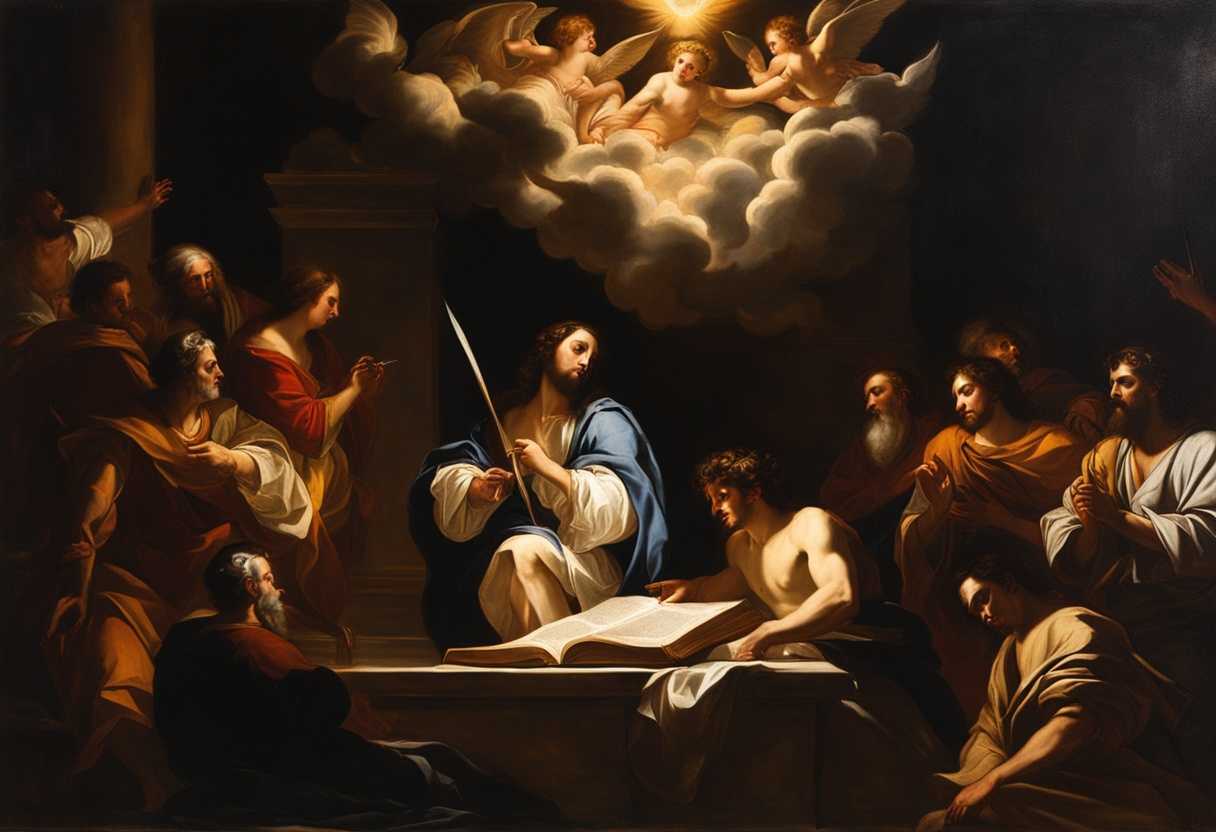
Setting the Scene for 2 Chronicles 21:12-15
In 2 Chronicles 21:12-15, we find ourselves in the royal palace of Judah during the reign of King Jehoram. The scene is tense as messengers from the prophet Elijah have just arrived to deliver a scathing message from the Lord. King Jehoram, a descendant of King David, had strayed from the ways of the Lord and led his people into idolatry, following the practices of the kings of Israel.
The messengers stand before King Jehoram, their faces grave and their words heavy with the weight of divine judgment. They recount the message from Elijah, warning of impending disaster and divine punishment for the king’s sins. The atmosphere in the palace is thick with tension as the king’s advisors and courtiers look on, their expressions a mix of fear and apprehension.
Surrounded by opulent furnishings and grandeur befitting a king, King Jehoram is faced with a moment of reckoning as he must decide how to respond to the prophet’s message. The fate of the kingdom hangs in the balance as the consequences of his actions come crashing down upon him. The scene is a poignant reminder of the consequences of straying from the path of righteousness and the importance of heeding the word of the Lord.
What is 2 Chronicles 21:12-15 about?
The consequences of King Jehoram’s wicked actions are seen in this verse. The suffering and affliction he faced were a result of his disobedience and evil deeds. It serves as a reminder that our actions have repercussions, and we must be mindful of the choices we make. The divine judgment upon King Jehoram is a poignant illustration of the principle of reaping what we sow. It prompts us to reflect on our own actions and the potential consequences they may bring. Let us consider how we align our behaviors and decisions with our values and beliefs as we ponder on this verse. Are we living in a way that honors God and exemplifies kindness and integrity, or are we veering towards self-centeredness and wrongdoing? Let this verse be a cautionary tale to steer us towards righteousness and goodness. We must remember that God’s judgment is just, and we have a responsibility to strive for righteousness in all that we do.
Understanding what 2 Chronicles 21:12-15 really means
In 2 Chronicles 21:12-15, we encounter a poignant letter from the prophet Elijah to King Jehoram of Judah, a ruler who had strayed far from the righteous paths of his predecessors. The prophet’s words serve as a divine warning, foretelling the dire consequences Jehoram would face due to his egregious actions. Elijah’s message highlights the gravity of Jehoram’s sins, emphasizing his role in leading the people of Judah into spiritual unfaithfulness and moral corruption. The prophet’s prophecy of a debilitating illness serves as a stark reminder of the personal repercussions of disobedience to God.
Drawing parallels to other biblical passages, such as Deuteronomy 28:15-68 and 1 Kings 21:20-24, we see a consistent theme of divine justice and the inevitable consequences of straying from God’s commandments. Galatians 6:7-8 reinforces this principle, reminding us that we reap what we sow, underscoring the importance of living in alignment with God’s will. These passages collectively emphasize the timeless truth that actions have consequences, especially when they lead others astray.
The relevance of this narrative to contemporary society is striking. It serves as a poignant reminder of the weight of leadership and the profound impact of one’s choices on others. Just as Jehoram’s actions brought suffering upon himself and his people, individuals today are called to consider the ripple effects of their decisions. This passage prompts introspection and calls for a reevaluation of one’s conduct, urging a return to godly principles and a commitment to integrity.
To illustrate the enduring relevance of this message, consider a modern-day scenario where a CEO’s unethical practices lead an entire company into corruption. The repercussions are far-reaching, affecting not only the organization but also the personal and professional well-being of the leader. This anecdote mirrors Jehoram’s story, highlighting how leadership and moral choices can shape destinies and impact countless lives.
In conclusion, 2 Chronicles 21:12-15 stands as a powerful testament to the consequences of straying from righteousness and the importance of upholding godly principles. It beckons readers to reflect on their own actions, to seek alignment with divine truths, and to recognize the profound influence they wield over others. By heeding the lessons from Jehoram’s downfall, individuals can aspire to lead lives that honor God, uphold integrity, and positively impact the world around them.
How does one handle consequences of unrepentant sin?
God illustrates the consequences of unrepentant sin through His actions towards King Jehoram in this passage. Jehoram’s refusal to turn from his wicked ways and seek forgiveness led to severe judgment and punishment from God. The verse teaches us that God does not take sin lightly and that there are real consequences when one continues in a path of unrepentant sin.
When faced with the consequences of unrepentant sin, it is crucial to acknowledge and address the sin before God. Repentance involves admitting one’s wrongdoing, seeking forgiveness, and turning away from the sinful behavior. One can find restoration and healing from the consequences of unrepentant sin by humbling oneself before God and seeking reconciliation through repentance.
Ignoring or refusing to address unrepentant sin will only lead to further judgment and separation from God. The story of Jehoram serves as a warning to all believers about the importance of repentance and the seriousness of continued disobedience. It is never too late to turn back to God, seek forgiveness, and receive His mercy and grace.
Application
Take a moment to think about King Jehoram’s fateful decisions in 2 Chronicles 21:12-15. See how his choices led to his downfall and remember the swift hand of justice from above. Let this story be your wake-up call to tread the path of goodness and faithfulness. Will you make that crucial decision to walk in the light and steer clear from darkness?

Reverend Michael Johnson is an experienced Church Minister with a profound expertise in spirituality and guidance. With a serene presence and a compassionate heart, he has faithfully served his congregation for over 20 years, leading them on a spiritual journey towards inner peace and enlightenment. Reverend Johnson’s extensive knowledge of religious philosophies and profound understanding of human nature have made him a trusted confidant and mentor to many, as he seamlessly weaves his profound wisdom into life teachings. Reverend Johnson’s calming demeanor and empathetic nature continue to uplift and heal souls, nurturing a sense of unity and tranquility within his community.