
2 Samuel 20:23-26 is about the appointment of Adoram as the recorder, continued support for Joab as the commander of the army, and Sheva as the secretary under David’s reign, illustrating the importance of administration and organization in the kingdom.
23 Now Joab was in command of all the army of Israel; and Benaiah the son of Jehoiada was in command of the Cherethites and the Pelethites;
24 And Adoram was in charge of the forced labor, and Jehoshaphat the son of Ahilud was the recorder,
25 and Sheva was secretary; and Zadok and Abiathar were priests;
26 and Ira the Jairite was also David’s priest.
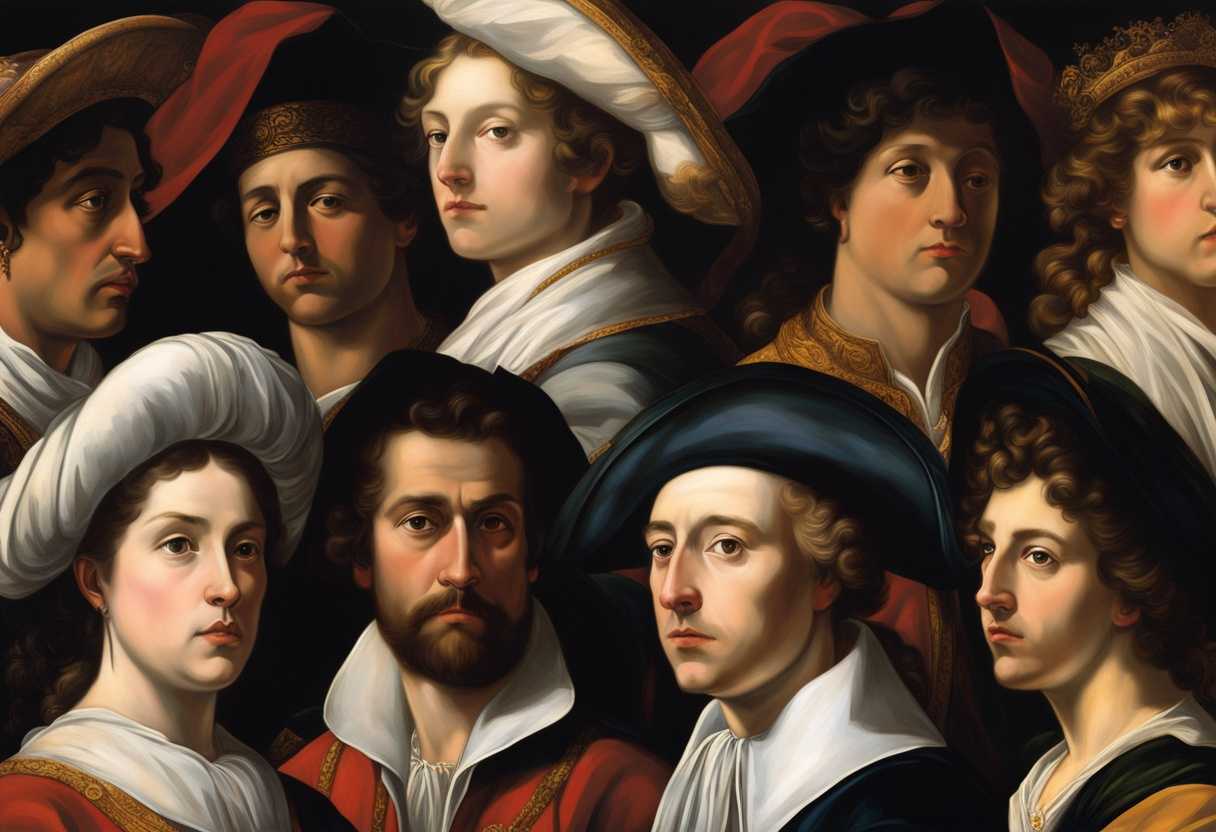
Setting the Scene for 2 Samuel 20:23-26
The scene in 2 Samuel 20:23-26 takes place in the city of Abel Beth Maacah, a town in northern Israel near the border with modern-day Lebanon. The city is in turmoil as a rebellion led by Sheba, son of Bichri, threatens to divide the kingdom of Israel. Joab, the commander of King David’s army, is leading the pursuit of Sheba with his men.
As Joab and his troops arrive at Abel Beth Maacah, they are met by a wise woman from the city who engages in negotiations with Joab. The woman, known for her wisdom and diplomacy, convinces Joab to spare the city from destruction by promising to hand over Sheba to him. Joab agrees to the terms, and the woman goes to her fellow citizens to persuade them to deliver Sheba to Joab.
The city gates are opened, and Sheba is beheaded and his rebellion quashed. The crisis is averted, and peace is restored to Abel Beth Maacah. This scene showcases the strategic thinking and negotiation skills of the wise woman, as well as the decisive actions of Joab in maintaining order and unity within the kingdom of Israel.
What is 2 Samuel 20:23-26 about?
This verse is a powerful reminder of the importance of wisdom, courage, and the impact one individual can have on a community. The wise woman of Abel demonstrates not only her intelligence and resourcefulness but also her compassion and dedication to saving her city from harm. She uses her wisdom to negotiate with the commander of the enemy army in the face of imminent danger, seeking a peaceful resolution rather than resorting to violence. Her actions not only save the lives of her fellow citizens but also prevent the destruction of her entire city. Reflecting on this verse prompts us to consider the qualities of a true leader and the significance of making decisions that prioritize the well-being of others. The wise woman’s actions serve as a powerful example of how one person’s courage and wisdom can make a difference in the face of adversity. She inspires us to think about how we can use our own gifts and abilities to positively impact those around us, showing us that even in times of crisis, there is always hope and possibility for a peaceful resolution. How can we embody the wisdom and bravery of the wise woman of Abel in our own lives, and what can we learn from her example to become better leaders and advocates for peace in our communities?
Understanding what 2 Samuel 20:23-26 really means
In 2 Samuel 20:23-26, we are given a glimpse into the key officials who served in King David’s administration, shedding light on the structure and organization of his kingdom. After a period of turmoil and rebellion, these verses signify a return to stability and order within the realm of David. Joab’s position as the head of the army symbolizes not only military strength but also effective leadership, crucial for maintaining security and defense. Benaiah’s oversight of the Cherethites and the Pelethites underscores the significance of having loyal and skilled protectors in positions of authority, ensuring the safety of the kingdom.
Adoram’s responsibility for tribute collection highlights the economic and administrative aspects of governance, showcasing the importance of financial management in a thriving kingdom. The role of the recorder, held by Jehoshaphat, emphasizes the necessity of maintaining accurate historical records and promoting transparency within the administration. The scribe, Sheva, plays a vital role in documentation and communication, essential for the smooth functioning of the kingdom’s affairs. The presence of Zadok and Abiathar as priests signifies the spiritual and religious guidance that was integral to David’s rule, underlining the significance of faith in leadership.
In a broader biblical context, these verses align with the theme of structured leadership and the importance of wise counsel, as echoed in Proverbs 11:14. The divine aspect of leadership is also emphasized in Romans 13:1, highlighting the notion that governing authorities are instituted by God. This passage serves as a reminder of the need for competent and ethical leaders in various sectors of society, resonating with the challenges and responsibilities faced by leaders today.
Drawing a parallel to contemporary scenarios, the reorganization of David’s administration can be likened to a modern-day small business owner restructuring their team for improved efficiency and success. Just as David’s kingdom thrived under organized leadership, our communities and organizations today require diverse talents and ethical leadership to prosper. Reflecting on the roles we play in our respective communities and workplaces can prompt us to consider how we can contribute to stability and success, mirroring the principles of effective governance seen in David’s administration.
By delving into the significance of each official in David’s administration, we gain a deeper appreciation for the value of organized and ethical leadership in our own lives. As we navigate our roles and responsibilities, may we strive to embody the qualities of integrity, wisdom, and diligence that characterize effective leadership, fostering stability and prosperity in our spheres of influence.
How can we show loyalty in difficult circumstances?
Showing loyalty in difficult circumstances can be exemplified by staying committed to supporting and standing by someone, even when faced with challenges or adversity. This can be achieved through unwavering dedication, continued trust, and steadfastness during times of turmoil or conflict. Loyalty involves being a reliable and dependable source of support, even when it may not be easy or convenient to do so. Remaining faithful and true to a cause, belief, or individual, regardless of external pressures or obstacles, can also mean demonstrating loyalty in difficult circumstances. It requires staying true to one’s values and principles, even when faced with opposition or temptation to stray from what is right. Loyalty in challenging situations can serve as a powerful testament to one’s character, integrity, and commitment to those they hold dear. Showing loyalty in difficult circumstances ultimately tests one’s resolve and steadfastness. It involves being a dependable and supportive presence when others may falter or waver. Individuals can strengthen relationships, build trust, and demonstrate their dedication and commitment to those they care about by displaying unwavering loyalty, even in the face of adversity.
Application
Stay true to those around you, like Benaiah did for King Solomon. Let our actions speak of loyalty and faithfulness, just as these verses remind us to do. Let us pledge to stand by our loved ones, unwavering and supportive always. Reflect on how you can show loyalty in your everyday interactions. How will you choose to embody dedication and steadfastness in your relationships from now on?

Reverend Michael Johnson is an experienced Church Minister with a profound expertise in spirituality and guidance. With a serene presence and a compassionate heart, he has faithfully served his congregation for over 20 years, leading them on a spiritual journey towards inner peace and enlightenment. Reverend Johnson’s extensive knowledge of religious philosophies and profound understanding of human nature have made him a trusted confidant and mentor to many, as he seamlessly weaves his profound wisdom into life teachings. Reverend Johnson’s calming demeanor and empathetic nature continue to uplift and heal souls, nurturing a sense of unity and tranquility within his community.