
2 Chronicles 21:2 is about King Jehoram’s wicked rule and the consequences of his evil actions on both himself and the nation of Judah.
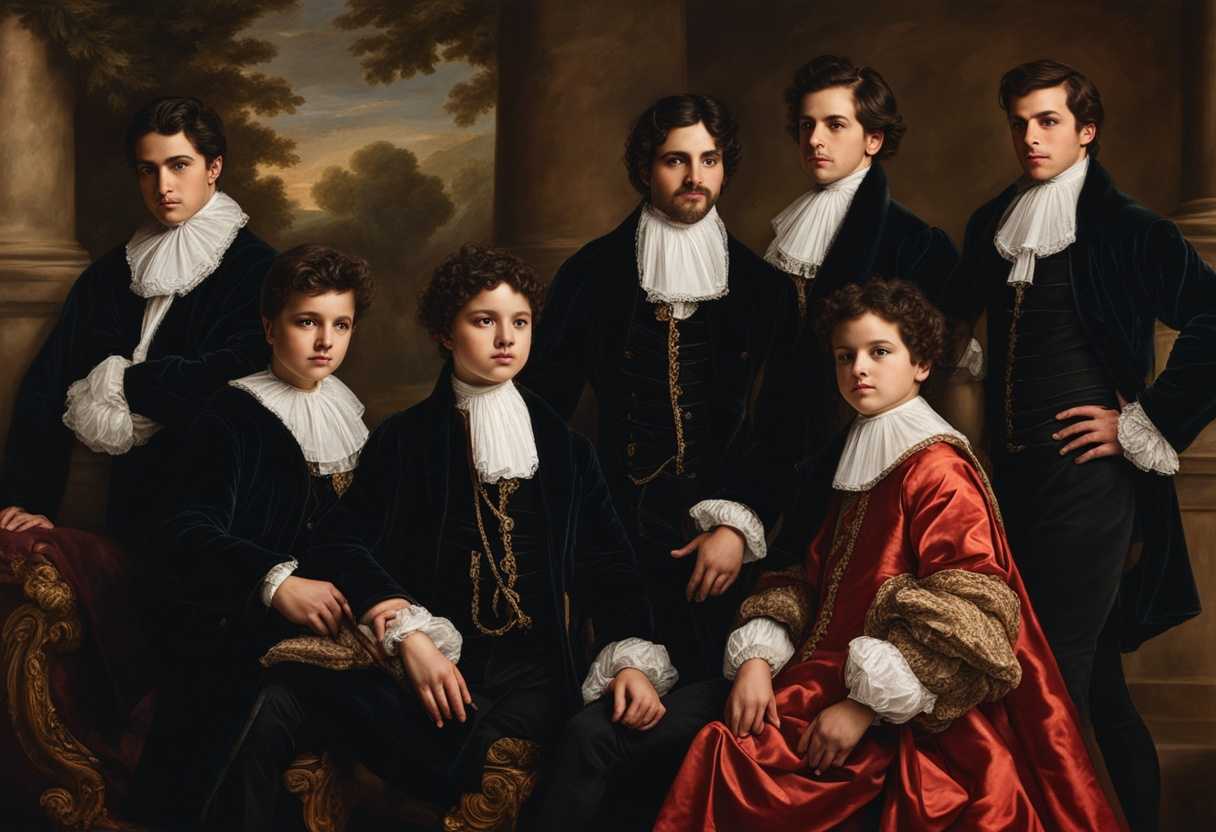
2 He had brothers, the sons of Jehoshaphat: Azariah, Jehiel, Zechariah, Azariah, Michael, and Shephatiah; all these were the sons of Jehoshaphat king of Israel.
Setting the Scene for 2 Chronicles 21:2
The scene in 2 Chronicles 21:2 takes place in the royal court of Judah during the reign of King Jehoram. Jehoram was the son of King Jehoshaphat and had ascended to the throne after his father’s death. However, unlike his father who followed the ways of the Lord, Jehoram chose to walk in the ways of the kings of Israel, leading the people of Judah into idolatry and wickedness.
In this particular scene, we find King Jehoram surrounded by his advisors and officials in the grand hall of the royal palace. Among those present are Ahaziah, the king’s brother, and Jehiel, the high priest. The atmosphere is tense as Jehoram’s actions have angered the Lord, and the kingdom is beginning to face the consequences of his disobedience. The room is adorned with opulent decorations and the air is heavy with the scent of incense burning in the background.
As the discussion unfolds, Jehiel, the high priest, confronts King Jehoram about his sinful ways and warns him of the impending judgment from the Lord. The scene is filled with a sense of foreboding as the consequences of the king’s actions loom over the kingdom of Judah. The clash between the king’s pride and the prophet’s warning sets the stage for the unfolding drama that will shape the future of the kingdom.
What is 2 Chronicles 21:2 about?
This verse sheds light on the reign of King Jehoram, showcasing the consequences of his wicked actions following in the footsteps of his father, King Jehoshaphat. It paints a picture of a leader who strayed from the ways of righteousness and justice, leading his people down a path of destruction and suffering. A ruler’s actions can have a profound impact on their subjects, influencing the course of a nation’s history for better or for worse as we reflect on this narrative.
Have you ever considered the weight of responsibility that rests on a leader’s shoulders? This verse serves as a cautionary tale, illustrating the repercussions of a king who neglects his duty to govern with integrity and fairness. It prompts us to contemplate the importance of leadership characterized by wisdom, compassion, and moral uprightness, as well as the dire consequences that may arise when power is wielded without regard for the well-being of the people. Let us strive to emulate the virtues of righteousness and justice in our own spheres of influence, recognizing the profound impact our actions can have on those around us.
Understanding what 2 Chronicles 21:2 really means
To provide a meaningful commentary on this verse, let’s structure our reflection around the following points: Context, Key Phrases, Connection to Other Scriptures, Relevance Today, and Personal Reflection.
Context:
2 Chronicles 21:2 is situated within the story of Jehoram, the son of Jehoshaphat, who became the king of Judah. This chapter outlines the transition of power and the subsequent actions taken by Jehoram, which had significant implications for the kingdom. Understanding the broader context of Jehoram’s reign, including his relationships with his brothers and the political dynamics of the time, helps us grasp the full meaning of the passage. We can delve into the critical aspects presented by the verse, even though we can’t directly quote it. The verse mentions the brothers of Jehoram, emphasizing their names and lineage. This highlights the importance of family and inheritance in the biblical narrative. What do these names signify, and why is it essential to mention them? Names often carry symbolic meanings and can reflect the character or destiny of individuals in biblical accounts.
Connection to Other Scriptures:
To deepen our understanding, let’s connect this verse to other parts of the Bible. For instance, Genesis 4:9 discusses the relationship between Cain and Abel, emphasizing the responsibilities and tensions among siblings. Similarly, in the New Testament, Jesus’ parable of the Prodigal Son (Luke 15:11-32) explores themes of family, inheritance, and reconciliation. These connections help us see the broader biblical theme of familial relationships and their complexities.
Relevance Today:
Why is this verse relevant to us now? Family dynamics remain a crucial aspect of our lives, and the challenges faced by Jehoram and his brothers can mirror our own experiences. Whether it’s sibling rivalry, the pressure of expectations, or the struggle for leadership, these issues are timeless. This verse encourages us to reflect on how we handle familial responsibilities and relationships. You faced a challenging situation with a family member. How did you navigate it? This verse invites us to think about our roles within our families and communities. Are we fostering unity and understanding, or are we contributing to division? Reflecting on Jehoram’s story, we can ask ourselves how we can better support and honor our own family members. 2 Chronicles 21:2 serves as a starting point for a broader exploration of family dynamics, responsibility, and leadership within a biblical framework. We find that these ancient stories still offer valuable lessons for us today by connecting them to other scriptures and our own lives.
How can we balance power with spiritual obedience?
Balancing power with spiritual obedience requires a humble recognition that true authority comes from God. We, as leaders, must always remember that our positions of power are ultimately accountable to a higher authority. Obedience to God’s commands and seeking His will should guide our decisions and actions, even when faced with opportunities to wield power for personal gain or control.
One way to balance power with spiritual obedience is through selflessness and servant leadership. We can cultivate a mindset of humility and obedience to God’s will by putting the needs of others before our own desires for power or control. Such an approach allows us to use our power in ways that honor God and benefit those under our authority, rather than seeking to dominate or manipulate for selfish gain. Finding the balance between power and spiritual obedience ultimately requires prayer, seeking wisdom from God, and a willingness to submit our will to His. We can lead with integrity, justice, and compassion by aligning our actions and decisions with God’s teachings and principles, reflecting His love and grace in all that we do.
Application
Think of your life as juggling work, family, and countless choices. Just as Jehoram sought wise counsel, you too must turn to God’s Word and prayer for true guidance. Don’t rely just on your own instincts; seek divine wisdom to light your way. Make a decision today to invite God’s insight into your life’s choices. Will you take the step to trust in God’s direction?

Reverend Michael Johnson is an experienced Church Minister with a profound expertise in spirituality and guidance. With a serene presence and a compassionate heart, he has faithfully served his congregation for over 20 years, leading them on a spiritual journey towards inner peace and enlightenment. Reverend Johnson’s extensive knowledge of religious philosophies and profound understanding of human nature have made him a trusted confidant and mentor to many, as he seamlessly weaves his profound wisdom into life teachings. Reverend Johnson’s calming demeanor and empathetic nature continue to uplift and heal souls, nurturing a sense of unity and tranquility within his community.