
2 Samuel 13:24 is about King David’s response to his son Absalom’s vengeance against his half-brother Amnon, demonstrating the consequences of sin and the importance of seeking justice and forgiveness within a family.
24 And Absalom came to the king and said, “Behold, your servant has sheepshearers. Please let the king and his servants go with your servant.”
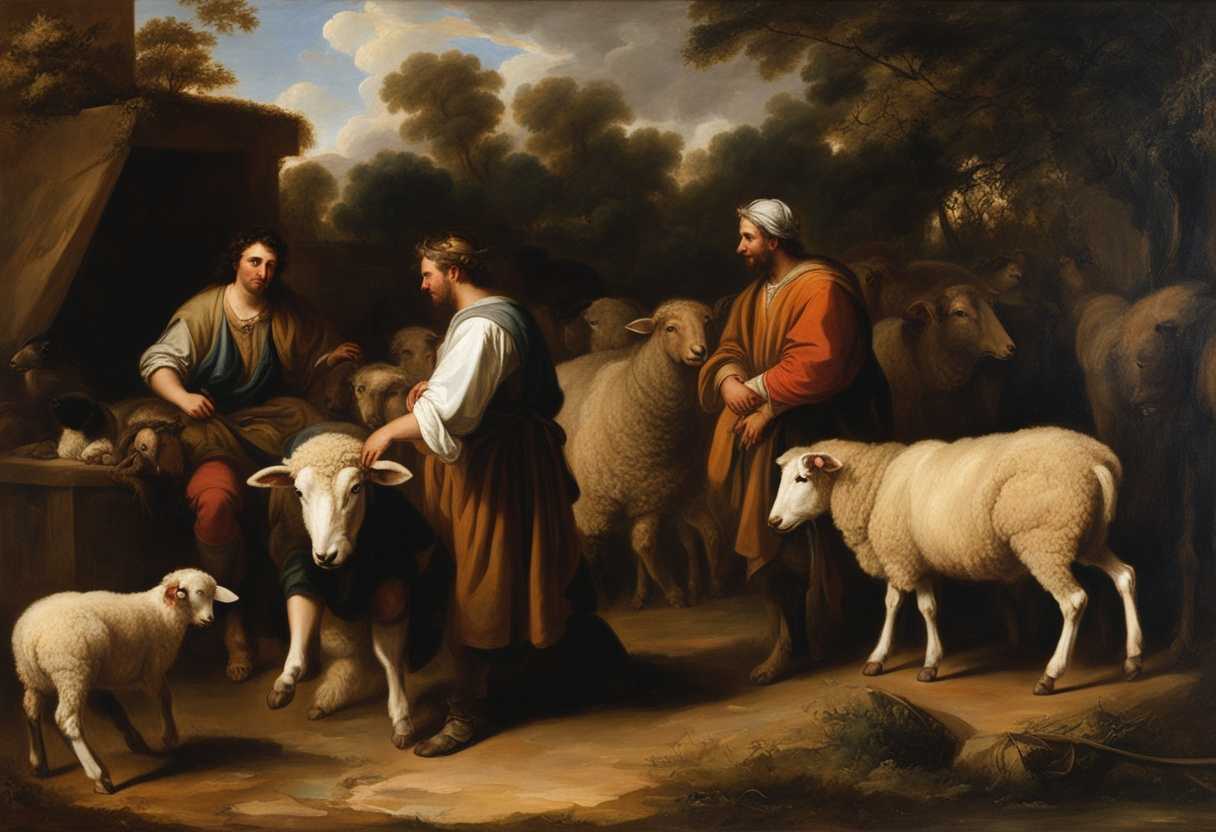
Setting the Scene for 2 Samuel 13:24
In 2 Samuel chapter 13, we find King David’s family embroiled in a tragic and tumultuous series of events. The scene in verse 24 takes place in the aftermath of David’s son, Amnon, raping his half-sister Tamar. The atmosphere is heavy with tension and sorrow as the repercussions of this heinous act reverberate throughout the royal household.
In this particular moment, we see King David’s sons gathered together at his palace in Jerusalem. Absalom, Tamar’s full brother, is seething with anger and grief over what happened to his sister. He is joined by his other brothers, including Amnon, the perpetrator of the crime. The air is thick with unresolved emotions, as each member of the family grapples with their own feelings of betrayal, guilt, and rage.
The palace itself, typically a place of grandeur and opulence, now feels suffocating and oppressive as the family struggles to come to terms with the trauma that has befallen them. The tension between the brothers is palpable, setting the stage for the tragic events that will continue to unfold in the chapters that follow.
What is 2 Samuel 13:24 about?
We witness a tragic chain of events within King David’s family in this verse. Tamar, David’s daughter, was raped by her half-brother Amnon. This act of violence and betrayal led to Absalom, another one of David’s sons, seeking vengeance by killing Amnon. The verse highlights the deep-seated consequences of sin and the devastating effects it can have on family dynamics.
The interplay of power, betrayal, and vengeance in this verse serves as a cautionary tale about the destructive nature of unresolved conflicts within families. It prompts us to reflect on the importance of addressing and resolving conflicts in a healthy and constructive manner, rather than allowing them to escalate into violence and tragedy. We, as readers, are challenged to ponder the consequences of holding onto anger and seeking revenge, and to consider the impact our actions may have on those around us.
Through this verse, we are reminded of the complexities of familial relationships and the importance of addressing issues of injustice and wrongdoing within our own families and communities. It prompts us to contemplate how we can strive to foster environments of forgiveness, reconciliation, and healing, rather than allowing bitterness and violence to take root. This verse ultimately serves as a poignant reminder of the need for compassion, forgiveness, and understanding in the face of conflict and strife.
Understanding what 2 Samuel 13:24 really means
Absalom’s vengeful actions in 2 Samuel 13:24 against his brother Amnon unfold within a complex family dynamic, echoing themes of betrayal and conflict that resonate through the ages. To fully appreciate the weight of this verse, one must delve into the preceding events in 2 Samuel 13, where the narrative of Tamar’s rape sets the stage for Absalom’s calculated revenge. This tale of familial strife draws parallels to other biblical accounts, such as the tragic story of Cain and Abel in Genesis 4:8, underscoring the destructive consequences of unresolved sibling rivalry.
In Matthew 5:21-22, Jesus’ teachings on anger and reconciliation shed light on the timeless relevance of conflicts within families. The admonition to address grievances promptly resonates with the escalating tensions between Absalom and Amnon, illustrating the perils of harboring resentment. Similarly, Romans 12:19’s exhortation against seeking personal vengeance underscores the destructive nature of retribution, emphasizing the need for divine justice and forgiveness in the face of wrongdoing.
The narrative of Absalom’s betrayal and Amnon’s transgression serves as a poignant reflection of contemporary family dynamics marked by discord and broken trust. The desire for justice and retribution, while understandable, can spiral into a cycle of violence and heartache, underscoring the enduring need for forgiveness and reconciliation in fractured relationships. The emotional turmoil experienced by the characters in this biblical account mirrors the struggles many individuals face today, highlighting the universal themes of pain, anger, and the quest for redemption.
Consider a scenario where unresolved grievances within a family lead to a cycle of revenge and suffering, mirroring Absalom’s tragic descent into vengeance. This cautionary tale underscores the destructive power of festering anger and the imperative of seeking peace and reconciliation in the face of conflict. Absalom’s approach to King David under the guise of sheep shearers reveals the intricacies of their relationship, showcasing the manipulation and hidden motives at play in his quest for retribution. The juxtaposition of a joyous occasion with a sinister plot serves as a stark reminder of the contrast between outward appearances and inner turmoil.
By delving into the nuances of Absalom’s actions and the familial dynamics at play, we glean valuable insights into the consequences of unresolved anger and the redemptive power of forgiveness. This biblical narrative challenges us to confront conflicts directly, seek reconciliation, and resist the destructive allure of vengeance. In a world marked by broken relationships and simmering resentments, the story of Absalom and Amnon serves as a poignant reminder of the transformative impact of grace and reconciliation in the face of betrayal and strife.
How can we discern if advice aligns with God’s will?
We can discern if advice aligns with God’s will by comparing it to God’s character and teachings in the Bible. God’s will is revealed to us through His Word, and any advice that contradicts or goes against what is written in the Bible should be questioned. We should seek guidance that promotes love, kindness, forgiveness, humility, and righteousness, as these are all qualities that reflect God’s nature.
Additionally, seeking counsel from wise and faithful individuals who are rooted in their relationship with God can help us discern if advice aligns with God’s will. Proverbs 11:14 reminds us of the importance of seeking guidance from many advisers. Surrounding ourselves with fellow believers who can offer sound, biblical advice can help us make decisions that honor God.
Lastly, we can discern if advice aligns with God’s will through prayer and seeking God’s guidance. We can find clarity and discernment in knowing what aligns with His will by surrendering our decisions to God, asking for His direction, and listening for His voice through prayer and meditation. Trusting in God’s wisdom and seeking His guidance through prayer can help us make choices that are in line with His perfect plan for our lives.
Application
Look around you. In the hustle of modern life, let’s not ignore the injustices like when David overlooked Tamar’s suffering. It’s time to stand up, much like you’d defend your loved ones. Let’s champion courage and righteousness, fighting for the oppressed in our communities. Will you answer the call to bring justice and compassion to those who need it most?

Reverend Michael Johnson is an experienced Church Minister with a profound expertise in spirituality and guidance. With a serene presence and a compassionate heart, he has faithfully served his congregation for over 20 years, leading them on a spiritual journey towards inner peace and enlightenment. Reverend Johnson’s extensive knowledge of religious philosophies and profound understanding of human nature have made him a trusted confidant and mentor to many, as he seamlessly weaves his profound wisdom into life teachings. Reverend Johnson’s calming demeanor and empathetic nature continue to uplift and heal souls, nurturing a sense of unity and tranquility within his community.