
Acts 12:14 is about the power of fervent prayer and how it can lead to miraculous interventions from God in times of need.
14 Recognizing Peter’s voice, in her joy she did not open the gate but ran in and reported that Peter was standing at the gate.
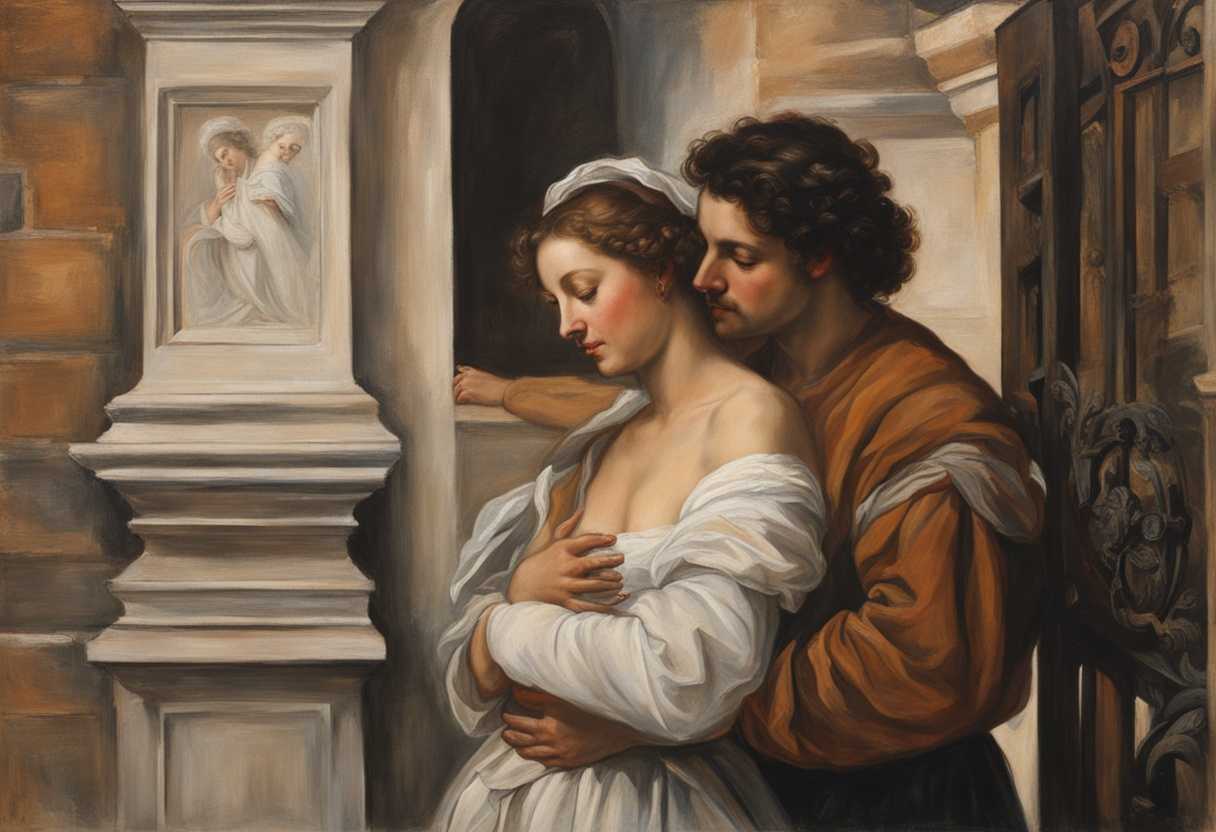
Setting the Scene for Acts 12:14
In Acts chapter 12, we find the scene where Peter has been miraculously freed from prison by an angel of the Lord. As Peter makes his way to the house of Mary, the mother of John Mark, where many believers had gathered to pray for his release, he knocks on the outer entrance. A servant girl named Rhoda comes to answer the door, and in her excitement upon hearing Peter’s voice, she forgets to open the door and runs back to tell the others that Peter is standing outside.
Inside the house, Mary, John Mark, and other believers are fervently praying for Peter’s safety and release. They are gathered in a dimly lit room, with flickering candles casting shadows on the walls, creating an atmosphere of anticipation and hope. The room is filled with the sound of whispered prayers and the occasional sound of weeping as they intercede for Peter’s well-being.
As Rhoda delivers the incredible news of Peter’s presence at the door, the believers are initially incredulous, thinking she may be mistaken or that it could be Peter’s angel. The tension and excitement in the room reach a peak as they rush to the door and are met with the sight of Peter, alive and well, a living testimony to the power of God and the faithfulness of their prayers.
What is Acts 12:14 about?
Let’s paint a picture here, imagine being so overwhelmed with happiness that you couldn’t even think straight or act accordingly. That’s exactly what happened to Rhoda when she heard Peter’s voice outside the door. She was filled with joy, her heart must have been racing, but instead of calmly opening the door to let Peter in, she was so caught up in her emotions that she forgot to do so.
This verse teaches us a beautiful lesson about the power of emotions and the impact they can have on our actions. It shows us that sometimes, our feelings can be so intense that they can cloud our judgment and cause us to forget even the simplest of tasks. It also reminds us of the importance of staying grounded and composed, even in moments of great excitement or happiness. Rhoda’s reaction serves as a gentle reminder for us to take a moment to breathe, gather ourselves, and stay present in the moment, no matter how overwhelming our emotions may be.
Understanding what Acts 12:14 really means
In Acts 12:14, we witness a moment of both humor and profound significance within the early Christian community. The context of Peter’s miraculous release from prison by an angel sets the stage for Rhoda’s endearing reaction. As a servant girl, Rhoda’s familiarity with Peter’s voice highlights the close relationships that characterized the early church. Her joy upon recognizing Peter’s voice is palpable, reminding us of the overwhelming emotions that accompany answered prayers, often in unexpected ways.
Rhoda’s forgetfulness to open the gate in her excitement serves as a reminder of human imperfection and the sometimes humorous nature of our responses to God’s interventions. This relatable aspect of the story allows us to see ourselves in Rhoda’s moment of joy and forgetfulness, emphasizing that God works through imperfect vessels to accomplish His will. The key phrases in this verse, such as “recognizing Peter’s voice” and “did not open the gate,” offer insights into the personal dynamics and imperfections present even in moments of divine intervention.
Related passages like Acts 12:5, Matthew 7:7, and James 5:16 further illuminate the themes of communal prayer, persistent faith, and the effectiveness of righteous prayers. These verses underscore the power of united supplication and the importance of trusting in God’s timing and methods. Today, we can draw parallels between the early church’s prayers for Peter and the strength found in modern communities coming together in prayer for those in need.
Rhoda’s reaction prompts us to reflect on the joy that comes from witnessing God’s miracles in our lives. Her genuine surprise and elation serve as a reminder to celebrate and acknowledge God’s work, even when our responses may be imperfect or unexpected. The anecdote of a family receiving good news in a moment of crisis illustrates how human emotions can lead to imperfect but heartfelt reactions, mirroring Rhoda’s initial response to Peter’s miraculous deliverance.
Acts 12:14 ultimately teaches us about the power of prayer, the beauty of witnessing God’s miracles, and the acceptance of human imperfection in divine interventions. It encourages us to participate in praying communities, to rejoice in God’s interventions in our lives, and to embrace our imperfect responses as part of the journey of faith. Just as Rhoda’s forgetfulness did not diminish the miracle of Peter’s release, our own imperfections do not lessen the wonders that God works in and through us.
What role does prayer have in our lives?
Prayer plays a significant role in our lives as a way to seek guidance, strength, comfort, and communication with God. It is a means of connecting with the divine and fostering a sense of faith and trust in God’s plan for us. Through prayer, we can express our gratitude, ask for forgiveness, and bring our needs and concerns before God, knowing that He hears and cares for us. Prayer can provide solace and peace in times of trouble or uncertainty, offering a way to lay our burdens and anxieties at the feet of God. It is a powerful tool that helps us to cultivate a deeper relationship with God and align our hearts and minds with His will. We can nurture our spiritual growth and find the strength to face life’s challenges with faith and hope by devoting time to prayer regularly.
Application
In the fast-paced dance of life, let us plant roots of unwavering prayer, resilient and steadfast like a sturdy oak tree in a storm. Just as the early believers fervently prayed for Peter, let us too harness the strength of prayer in our own trials. Will you take up the mantle of prayer, firm in your faith that God hears and answers our cries for help?

Reverend Michael Johnson is an experienced Church Minister with a profound expertise in spirituality and guidance. With a serene presence and a compassionate heart, he has faithfully served his congregation for over 20 years, leading them on a spiritual journey towards inner peace and enlightenment. Reverend Johnson’s extensive knowledge of religious philosophies and profound understanding of human nature have made him a trusted confidant and mentor to many, as he seamlessly weaves his profound wisdom into life teachings. Reverend Johnson’s calming demeanor and empathetic nature continue to uplift and heal souls, nurturing a sense of unity and tranquility within his community.