
1 Now there were in the church at Antioch prophets and teachers, Barnabas, Simeon who was called Niger, Lucius of Cyrene, Manaen a lifelong friend of Herod the tetrarch, and Saul.
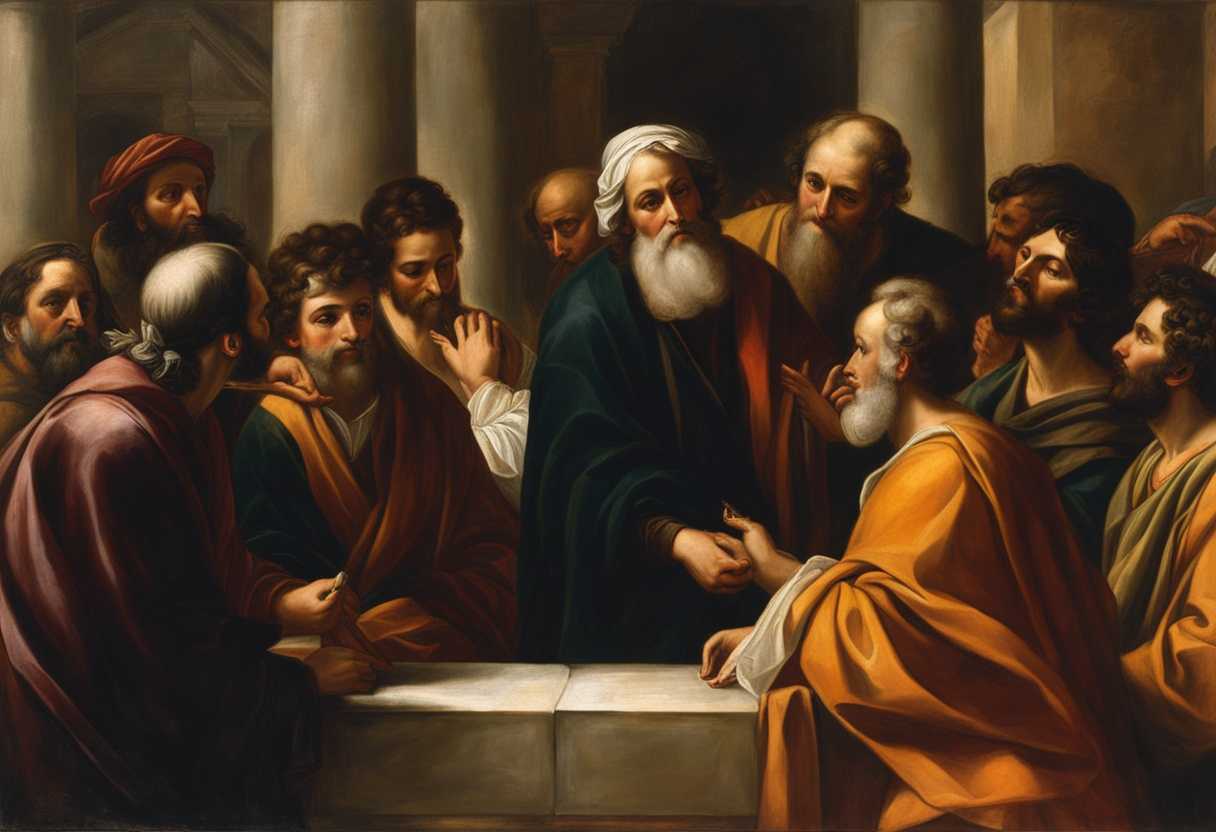
Setting the Scene for Acts 13:1
In Acts chapter 13, we find the scene set in the city of Antioch, a bustling and diverse metropolis in the Roman Empire. The camera pans to a gathering of believers in a dimly lit room, the flickering light of oil lamps casting shadows on the faces of those present. Among them are prominent figures in the early Christian church, including Barnabas, Saul (later known as the apostle Paul), and other prophets and teachers.
These individuals have come together through their shared faith in Jesus Christ and their desire to spread the gospel to the ends of the earth. They have been meeting regularly to pray, worship, and seek guidance from the Holy Spirit on how to fulfill the Great Commission. As they fast and pray, the presence of God fills the room, and a sense of anticipation hangs in the air as they wait for divine direction.
Suddenly, in the midst of their worship and prayer, the Holy Spirit speaks to them, calling Barnabas and Saul to be set apart for a special mission. The believers lay hands on them, commissioning them for the work of spreading the gospel to the Gentiles. Filled with the power of the Spirit, Barnabas and Saul set out on their journey, embarking on a mission that will change the course of history and bring countless souls into the kingdom of God.
What is Acts 13:1 about?
This verse from Acts 13:1 highlights the special role that the Holy Spirit plays in selecting and preparing individuals for significant missions and responsibilities within the Christian community. It shows us that God’s Spirit has the power to call and commission specific individuals for particular tasks that align with His divine plan. The Holy Spirit set apart Barnabas and Saul for the important work of spreading the Gospel and establishing new Christian communities in this case.
Have you ever felt a deep sense of calling or purpose in your own life? This verse reminds us that just as Barnabas and Saul were chosen for a specific mission, each of us is also uniquely gifted and called by God to fulfill a special purpose in our lives. It challenges us to listen attentively to the promptings of the Holy Spirit and be open to how God may be guiding us towards His greater plan. Amazing things can happen and God’s kingdom can be advanced in powerful ways when we are obedient and responsive to the leading of the Spirit, as seen in this verse.
Understanding what Acts 13:1 really means
Structure for Commentary
- Introduction and Context
- Key Phrases and Their Meanings
- Cross-References to Other Biblical Passages
- Relevance to Modern Readers
- Anecdote for Practical Understanding
- Conclusion
Commentary
Introduction and Context
Acts 13:1 introduces us to the church at Antioch, a pivotal community in early Christianity. This verse lists several prophets and teachers, highlighting the diversity and unity of the early church. Understanding this context is essential, as it sets the stage for the missionary journeys that follow. The church at Antioch was a melting pot of cultures and backgrounds, embodying the inclusive nature of the Christian message.
Key Phrases and Their Meanings
The verse mentions specific individuals: Barnabas, Simeon called Niger, Lucius of Cyrene, Manaen (who had been brought up with Herod the tetrarch), and Saul. Each name carries significance. For instance, Barnabas, known as the “son of encouragement,” played a crucial role in fostering the early church’s growth. Simeon called Niger, with his name indicating African heritage, underscores the church’s ethnic diversity. Manaen, linked to Herod the tetrarch, suggests that the early Christian community reached across social and political lines. Finally, Saul, later known as Paul, hints at the transformative power of faith.
Cross-References to Other Biblical Passages
This passage resonates with Galatians 3:28, where Paul writes, “There is neither Jew nor Greek, slave nor free, male nor female, for you are all one in Christ Jesus.” The diversity seen in Antioch reflects this sentiment. Additionally, Ephesians 4:11-13 speaks about the roles within the church, emphasizing prophets and teachers, much like the roles mentioned in Acts 13:1.
Relevance to Modern Readers
Today’s readers can draw a profound lesson from the church at Antioch. The early Christians did not allow differences in background, ethnicity, or social status to divide them. Instead, they focused on their shared mission. This unity serves as a powerful example in a world often divided by differences. How often do we let superficial differences hinder our collaboration and unity? A modern church community decides to host a multicultural festival. Members from diverse backgrounds share their traditions, foods, and stories, fostering a deeper understanding and appreciation for one another. This event not only celebrates their diversity but also strengthens their unity in Christ. Similarly, the church at Antioch thrived because they embraced their differences and worked together for a common cause.
Conclusion
Acts 13:1 is more than a historical account; it’s a blueprint for the modern church. This verse challenges us to look beyond our differences and work together in our shared faith by highlighting the diversity and unity of the early Christian community. Let’s strive to embody the inclusiveness and unity of the church at Antioch in our own communities as we reflect on this passage. What steps can we take today to foster a similar spirit of unity in our churches?
How can we effectively serve and worship God?
We can effectively serve and worship God by being dedicated to Him and His calling for our lives. We should engage in spiritual practices that draw us closer to God and open our hearts to His guidance, just as the prophets and teachers in Acts 13 were worshiping and fasting when the Holy Spirit spoke to them. This may include prayer, study of His Word, fellowship with other believers, and acts of service to those in need.
Additionally, it is important for us to be sensitive to the leading of the Holy Spirit in our lives. The prophets and teachers in Acts 13 were able to effectively serve God because they were attuned to His voice and willing to obey His commands. We can ensure that our service and worship are pleasing to God by cultivating a relationship with Him through prayer and seeking His will in all things.
Furthermore, serving and worshiping God effectively also involves a willingness to step out in faith and follow His direction, even when it may seem uncertain or challenging. The prophets and teachers in Acts 13 were willing to be sent out on a mission by the Holy Spirit, trusting that He would equip and guide them every step of the way. We can show our love and devotion to God by being obedient to His leading, even when it requires us to step out of our comfort zones and rely fully on His strength and provision.
Application
Imagine juggling your daily work and family life without a clear plan. Acts 13:1 pushes us to seek the Holy Spirit’s direction, just as we seek a roadmap for success. Prioritize prayer as your daily strategy session with God. Commit to this essential practice, and embrace the divine guidance waiting for you. Are you prepared to make the Holy Spirit your daily advisor through prayer?

Reverend Michael Johnson is an experienced Church Minister with a profound expertise in spirituality and guidance. With a serene presence and a compassionate heart, he has faithfully served his congregation for over 20 years, leading them on a spiritual journey towards inner peace and enlightenment. Reverend Johnson’s extensive knowledge of religious philosophies and profound understanding of human nature have made him a trusted confidant and mentor to many, as he seamlessly weaves his profound wisdom into life teachings. Reverend Johnson’s calming demeanor and empathetic nature continue to uplift and heal souls, nurturing a sense of unity and tranquility within his community.