
Acts 14:27-28 is about the apostles returning to Antioch, sharing the stories of how God had opened the door of faith to the Gentiles, and how they stayed there with the believers, confirming and encouraging them in their faith.
27 And when they arrived and gathered the church together, they declared all that God had done with them, and how he had opened a door of faith to the Gentiles.
28 And they remained no little time with the disciples.
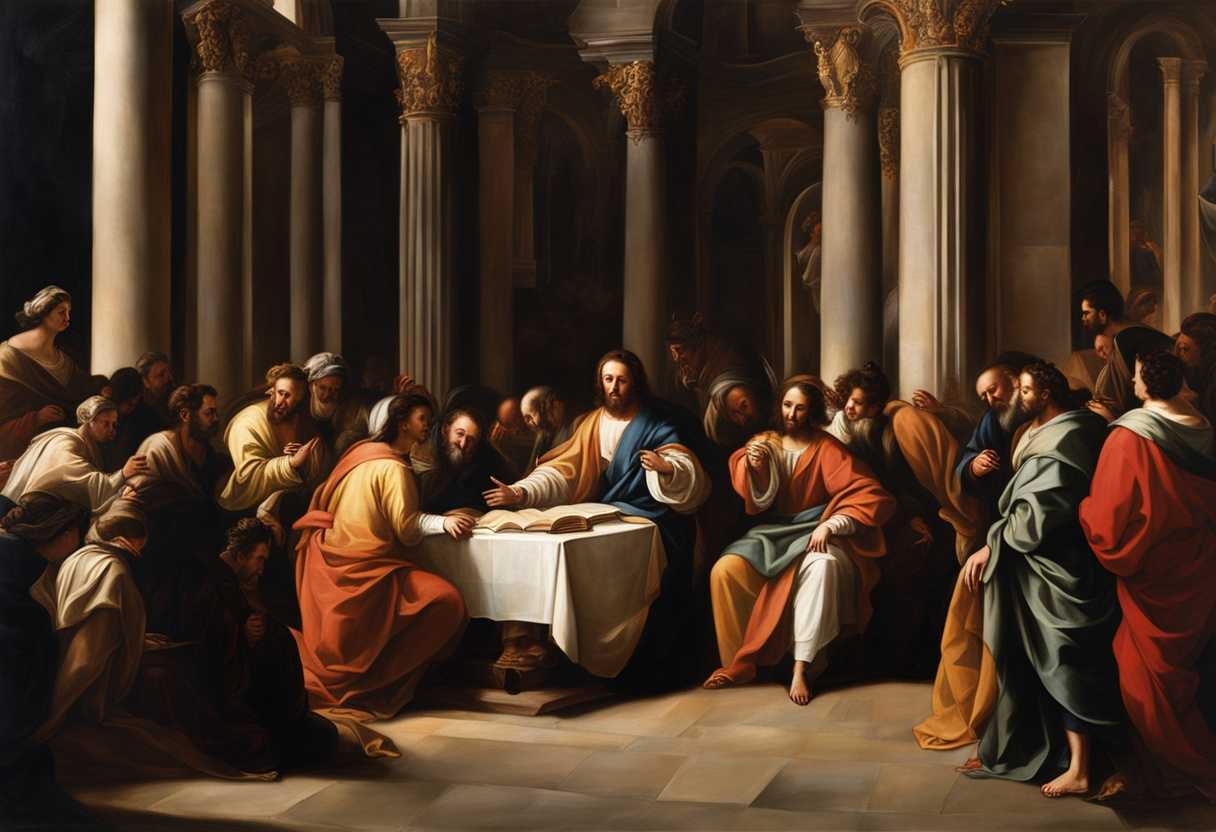
Setting the Scene for Acts 14:27-28
In Acts chapter 14, we find the apostles Paul and Barnabas returning to Antioch after their first missionary journey. The scene is set in the bustling city of Antioch, a significant center for early Christianity. As they gather with the church in Antioch, there is a palpable sense of excitement and anticipation in the air. The believers have been eagerly awaiting the return of Paul and Barnabas, eager to hear about their travels and the spread of the Gospel.
The room is filled with a diverse group of believers, both Jews and Gentiles, who have come together to hear the apostles’ report. The atmosphere is charged with a sense of unity and fellowship as they listen intently to the stories of miracles, conversions, and challenges faced during the journey. Paul and Barnabas recount their experiences in various cities, sharing how they boldly proclaimed the message of Jesus Christ despite facing opposition and persecution.
As the apostles finish their report, there is a moment of silence before the room erupts into cheers and applause. The believers are filled with gratitude and praise for the work that God has done through Paul and Barnabas. The scene captures the essence of the early church – a community united in faith, fervent in prayer, and committed to spreading the Good News to the ends of the earth.
What is Acts 14:27-28 about?
Paul and Barnabas fulfill their responsibility of reporting back to the church in Antioch after completing their missionary journey in this verse. This act of reporting shows the importance of accountability and communication within the early Christian community. Paul and Barnabas share their experiences, successes, and challenges with the church to keep the community informed and seek guidance, support, and encouragement from their fellow believers. This act emphasizes the interconnectedness and mutual support that should characterize a strong and united Christian community. We can ponder on the significance of accountability in our own lives and communities as we reflect on this verse. How often do we report back to those who support and care for us, sharing our experiences and seeking guidance? Do we actively seek out feedback and support from our spiritual community, or do we try to navigate our journeys alone? We are reminded of the importance of staying connected and accountable in our faith journeys, just as Paul and Barnabas turned to the church in Antioch for support and guidance. Let us strive to emulate their example by fostering open communication, seeking support when needed, and sharing our experiences with humility and honesty.
Understanding what Acts 14:27-28 really means
In Acts 14:27-28, we witness the return of Paul and Barnabas to Antioch, marking the culmination of their missionary journey. Gathering the church together, they recount the remarkable deeds God had accomplished through them, emphasizing the communal aspect of worship and the importance of sharing experiences within the faith community. This passage serves as a poignant reminder of the early church’s commitment to spreading the Gospel and the groundbreaking moment when the door of faith was opened to the Gentiles, signifying the universal reach of salvation through Jesus Christ.
The phrase “reported all that God had done through them” underscores the humility of Paul and Barnabas, attributing their successes not to their own efforts but to the divine intervention of God. It serves as a testament to the power of giving glory to God for blessings and achievements, a practice that modern believers can emulate in recognizing God’s hand in their lives. Moreover, the imagery of God opening a door of faith to the Gentiles symbolizes the breaking down of barriers and the inclusive nature of the Gospel, transcending cultural and ethnic divides.
Drawing parallels to related passages such as the Great Commission in Matthew 28:19-20 and Paul’s message of inclusivity in Galatians 3:28, Acts 14:27-28 reinforces the universal call to share the message of salvation with all people. The vision in Revelation 7:9 further amplifies this message by depicting a diverse multitude standing before the throne, highlighting the universal reach of the Gospel and the unity found in Christ Jesus. These passages collectively emphasize the importance of inclusivity and community in spreading the faith.
In today’s diverse and often divided world, the themes of inclusivity and community found in Acts 14:27-28 remain profoundly relevant. They serve as a reminder that the Gospel transcends societal barriers and unites believers from all walks of life. By sharing testimonies and acknowledging God’s work in their lives, modern Christians can draw inspiration from the early church’s example, fostering a sense of unity and encouragement within the faith community. Just as Paul and Barnabas shared their experiences with the church in Antioch, contemporary believers are called to bear witness to God’s transformative power in their lives.
Imagine a modern-day congregation where individuals from various backgrounds come together to worship. A powerful testimony shared by a newcomer resonates deeply with the community, illustrating the impact of God’s work in bringing people together. This anecdote mirrors the spirit of Acts 14:27-28, showcasing how God’s mission of inclusivity and community continues to unfold in the present day. As we reflect on this passage, let us be inspired to embrace diversity, share our stories of faith, and actively participate in God’s mission of reconciliation and unity among all people.
How can we recognize God’s work among us?
We can recognize God’s work among us when He opens doors of opportunity for us to share His message with others. Through His guidance and provision, we are able to fulfill the work He has given us, and we see His hand at work through the impact it has on those around us.
Additionally, God’s work among us can be recognized by the way He affirms His presence and power through signs and wonders. When we see miracles or experience His supernatural intervention in our lives, it is a clear demonstration of His work among us, confirming His sovereignty and love for His people.
Furthermore, we can recognize God’s work among us through the unity and encouragement we experience within the body of Christ. When we come together in fellowship, supporting and uplifting one another in faith, it is a reflection of God’s work shaping us into a community that reflects His love and grace.
Application
Embrace the power of God’s Spirit in your life, just as Acts 14:27-28 shows us. Share the gospel fearlessly and uphold your faith community with love and commitment. Let’s stand firm and spread the Good News while supporting our brothers and sisters in their faith journey. Will you join in and be part of God’s incredible plan for salvation?

Reverend Michael Johnson is an experienced Church Minister with a profound expertise in spirituality and guidance. With a serene presence and a compassionate heart, he has faithfully served his congregation for over 20 years, leading them on a spiritual journey towards inner peace and enlightenment. Reverend Johnson’s extensive knowledge of religious philosophies and profound understanding of human nature have made him a trusted confidant and mentor to many, as he seamlessly weaves his profound wisdom into life teachings. Reverend Johnson’s calming demeanor and empathetic nature continue to uplift and heal souls, nurturing a sense of unity and tranquility within his community.