
Acts 19:24 is about the confrontation between the silversmith Demetrius and the followers of the Way, highlighting the clash between the worship of material wealth and the spread of the Gospel.
24 For a man named Demetrius, a silversmith, who made silver shrines of Artemis, brought no little business to the craftsmen.
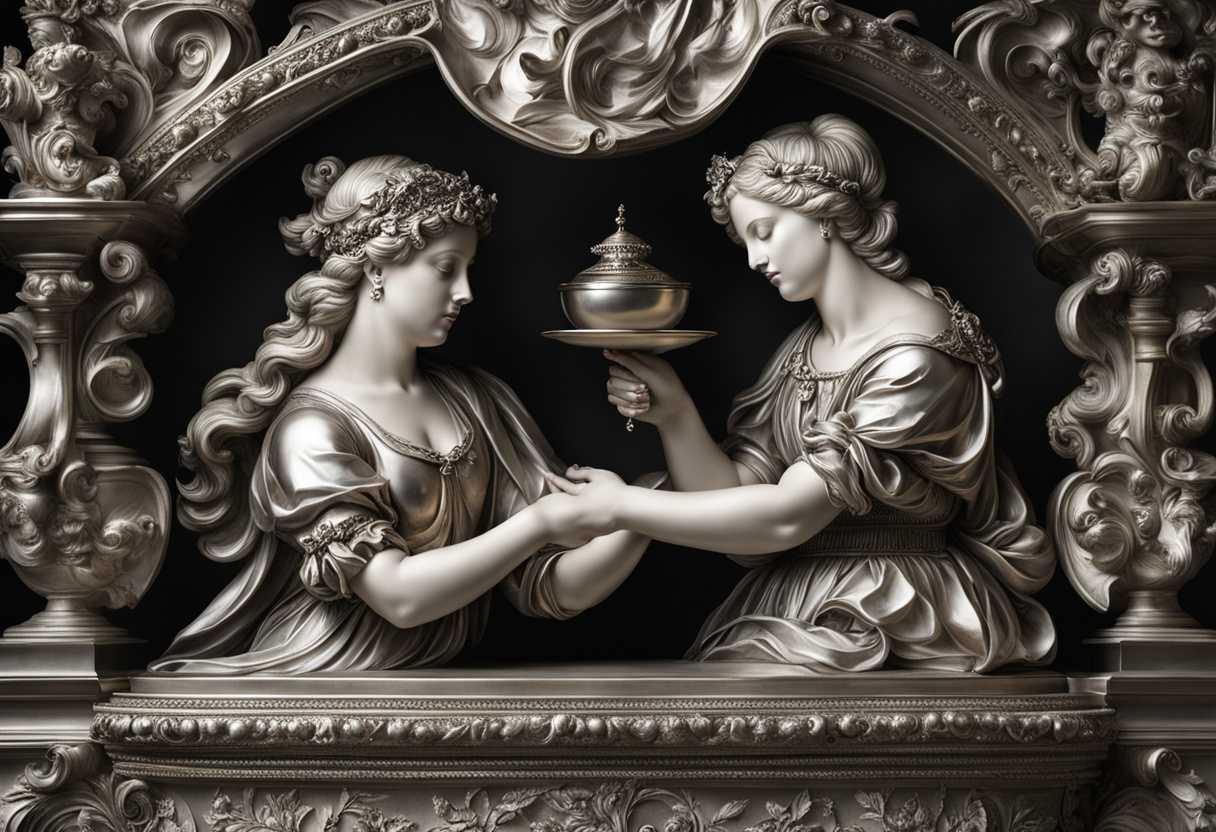
Setting the Scene for Acts 19:24
In Acts chapter 19, we find a bustling scene in the city of Ephesus. The city is known for its grand temple dedicated to the goddess Artemis, a significant figure in the ancient world. The streets are filled with merchants selling various goods, and the air is thick with the scent of incense and the sounds of people going about their daily business.
Among the crowd, we see a silversmith named Demetrius, who has gathered a group of fellow craftsmen who make silver shrines of Artemis. They are concerned about the impact of the teachings of the apostle Paul, who has been preaching about the one true God, causing many to turn away from idol worship. Demetrius and his colleagues fear that their livelihood is at stake, as fewer people are buying their silver shrines.
As tensions rise, Demetrius and the other craftsmen stir up a riot in the city, dragging Paul’s companions into the theater. The scene is chaotic, with people shouting and confusion reigning as they try to make sense of the situation and protect their beliefs and businesses.
What is Acts 19:24 about?
Oh, this verse paints a vivid scene of conflict and tension in Ephesus. It tells the story of Demetrius, a silversmith who, feeling threatened by Paul and his companions’ teachings, incites a riot against them. This event highlights the opposition faced by early Christian missionaries and the resistance they encountered from those whose livelihoods or beliefs were challenged by their message. It also emphasizes the power dynamics at play in spreading a new faith in a diverse and often hostile environment.
Just imagine the chaos and confusion that must have ensued as Demetrius riled up the crowds and turned them against Paul and his companions. How did Paul respond to this sudden eruption of violence and hostility? What strategies did he employ to quell the riot and ensure the safety of his followers? This verse offers a glimpse into the challenges and dangers faced by early Christian missionaries as they sought to spread their message in a world that was often hostile to their beliefs. It prompts us to reflect on the courage and determination required to stand firm in the face of opposition and persecution.
Understanding what Acts 19:24 really means
In Acts 19:24, we find ourselves in Ephesus, a bustling city in the Roman province of Asia, where the apostle Paul is present. The verse introduces us to Demetrius, a silversmith by trade, who crafted silver shrines dedicated to Artemis, a prominent deity in Ephesus. This brief passage sets the stage for a clash between the emerging Christian movement and the deeply entrenched pagan practices of the city.
Demetrius, the silversmith, symbolizes the economic interests intertwined with pagan worship in Ephesus. His livelihood depended on the creation of silver shrines for Artemis, reflecting the significant role of cultural and religious practices in the city. The mention that his work “brought no little business to the craftsmen” underscores the financial implications of religious activities and hints at the potential threat posed by the spread of Christianity to their trade.
Drawing parallels from other biblical passages, we see a consistent theme of the conflict between idolatry and the worship of the one true God. The commandment in Exodus 20:3-4 emphasizes the prohibition against creating carved images and placing other gods before the Lord. Similarly, 1 Timothy 6:10 warns about the dangers of the love of money, which resonates with the motivations of Demetrius and his fellow craftsmen in Acts 19:24. Jesus’ teaching in Matthew 6:24 further reinforces the idea that serving both God and money is incompatible, shedding light on the core issue in Ephesus.
The relevance of Acts 19:24 extends to contemporary society, where individuals often grapple with conflicts between financial gain and ethical or spiritual values. Just as Demetrius faced a dilemma between his economic interests and the growing Christian movement, people today encounter similar challenges in balancing material wealth with moral integrity. The narrative of Demetrius and the craftsmen serves as a cautionary tale, prompting reflection on the dangers of prioritizing financial prosperity over spiritual truths.
To illustrate this point further, imagine a modern business owner profiting from selling products that are harmful or unethical. Like Demetrius, this individual may resist positive changes that promote the greater good due to the potential loss of income. For instance, a company producing unhealthy food might lobby against health regulations to safeguard its profits, echoing Demetrius’ opposition to the spread of Christianity for the sake of his business. This anecdote vividly portrays how economic interests can sometimes lead individuals or groups to hinder progress and positive change, echoing the dynamics in Ephesus.
In conclusion, Acts 19:24 serves as a poignant reminder of the inherent tension between economic interests and spiritual or ethical values. It challenges readers to examine their own lives and assess whether they are prioritizing material wealth over their moral and spiritual beliefs. By delving into the motivations and actions of Demetrius, we can glean valuable insights into our own struggles and strive to align our priorities more closely with the teachings of Christ.
What drives our motivations and actions: God or greed?
The verse highlights how the silversmiths in Ephesus were primarily driven by greed rather than God. Their motivations were fueled by their desire for financial gain from making idols of Artemis, rather than a genuine connection to their deity or a desire to serve a higher purpose. This serves as a cautionary reminder of how material desires and the pursuit of wealth can often overshadow our dedication to God and lead us astray from our true calling. Greed and materialism may tempt us in our own lives, leading us to seek monetary gain and worldly possessions above all else. However, the verse encourages us to reflect on our motivations and ensure that our actions are guided by God’s will and principles, rather than being solely driven by selfish desires. We can find true fulfillment and live a life that is meaningful, compassionate, and in service to others by aligning our intentions with the teachings of God. The verse ultimately serves as a reminder that we should root our actions and motivations in faith and a genuine desire to honor God, rather than letting greed and selfish ambitions drive us. When we prioritize our spiritual connections and strive to live in accordance with God’s values, we can find true purpose and fulfillment in our lives.
Application
Embrace the call to reject false idols that distract us from what truly matters. Prioritize your connection with the divine above all else, separating yourself from the lure of materialism. Commit to wholeheartedly following the true path, allowing divine wisdom to guide your decisions in both your personal and professional life. How will you choose to strengthen your faith and loyalty to the one true God today?

Reverend Michael Johnson is an experienced Church Minister with a profound expertise in spirituality and guidance. With a serene presence and a compassionate heart, he has faithfully served his congregation for over 20 years, leading them on a spiritual journey towards inner peace and enlightenment. Reverend Johnson’s extensive knowledge of religious philosophies and profound understanding of human nature have made him a trusted confidant and mentor to many, as he seamlessly weaves his profound wisdom into life teachings. Reverend Johnson’s calming demeanor and empathetic nature continue to uplift and heal souls, nurturing a sense of unity and tranquility within his community.