
Acts 28:7-10 is about the Apostle Paul healing Publius’ father and others on the island of Malta, demonstrating God’s power and reaffirming Paul’s role as a messenger of the Gospel.
7 Now in the neighborhood of that place were lands belonging to the chief man of the island, named Publius, who received us and entertained us hospitably for three days.
8 It happened that the father of Publius lay sick with fever and dysentery. And Paul visited him and prayed, and putting his hands on him, healed him.
9 And when this had taken place, the rest of the people on the island who had diseases also came and were cured.
10 They also honored us greatly, and when we were about to sail, they put on board whatever we needed.
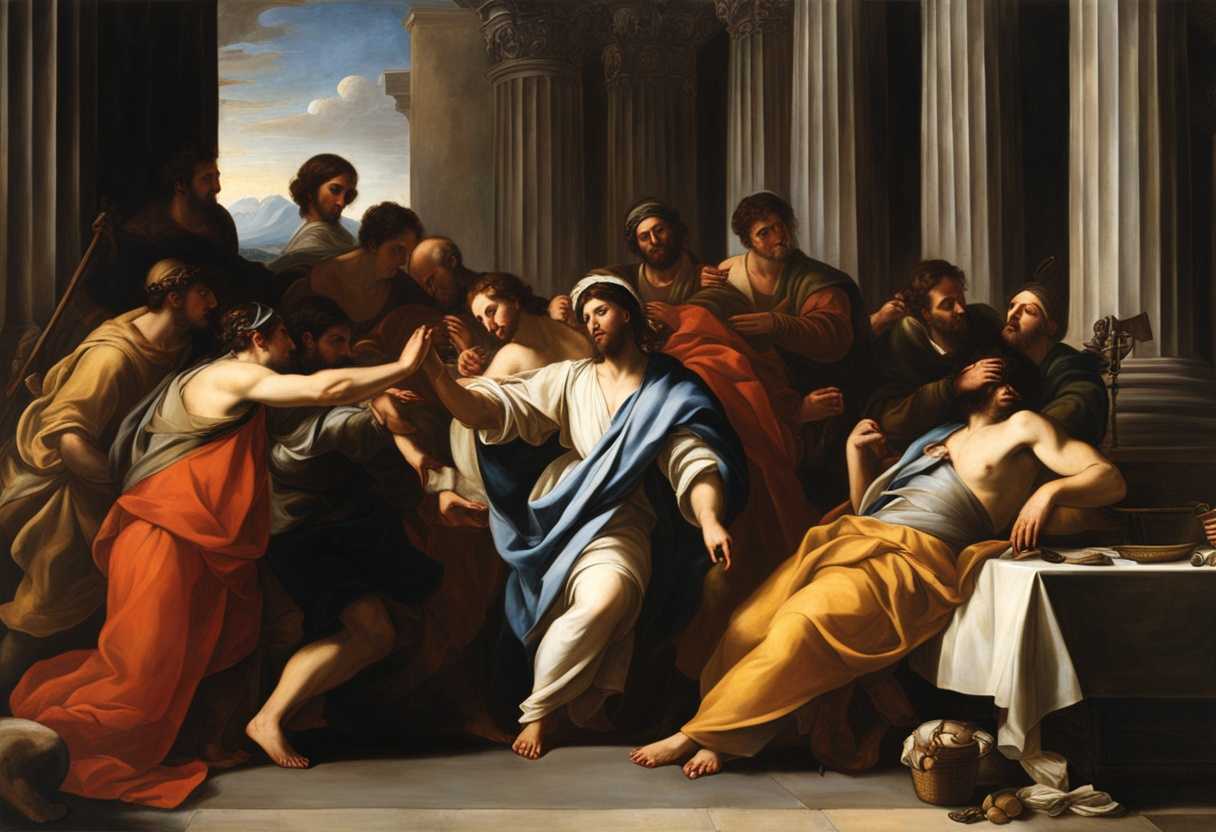
Setting the Scene for Acts 28:7-10
In Acts chapter 28, we find the apostle Paul and his companions shipwrecked on the island of Malta. The scene is set on the shores of the island where the shipwreck survivors, including Paul, Luke, and other prisoners, are greeted by the local inhabitants. The islanders show unusual kindness to the shipwrecked men, providing them with shelter and warmth as they recover from their ordeal.
Among the islanders is a man named Publius, the chief official of the island, who welcomes Paul and his companions into his home. Publius shows hospitality by hosting them and caring for their needs. During their stay, Paul prays for Publius’ father, who is sick with a fever, and miraculously heals him. This act of healing leads to many others on the island coming to Paul to be healed of their illnesses, further spreading the message of the Gospel.
The scene on the island of Malta is one of unexpected hospitality and divine intervention. Through the shipwreck and subsequent events, Paul and his companions are able to witness to the islanders and demonstrate the power of God through healing miracles. The kindness of the Maltese people and the miraculous healings serve as a testament to God’s presence and power working through Paul and his companions.
What is Acts 28:7-10 about?
Paul’s healing miracles on the island of Malta demonstrate the power of God in this verse. Paul exemplifies the compassion and divine ability to heal that God bestows upon His followers by curing Publius’ father and others. Through these miraculous acts, viewers witness the direct intervention of God in the lives of His people, reinforcing the belief in His omnipotence and love for all.
Have you ever experienced a moment of healing or divine intervention in your own life or witnessed it in the lives of others? These miracles remind us that God is present and active in the world, offering comfort, restoration, and hope to those in need. Paul’s actions on the island of Malta serve as a profound example of how God’s power transcends all boundaries and demonstrates His unwavering love for His creation. Let this verse be a reminder of the miracles that can occur when we have faith and trust in God’s plan for us.
Understanding what Acts 28:7-10 really means
In Acts 28:7-10, we find the Apostle Paul shipwrecked on the island of Malta, where he and his companions are met with extraordinary kindness from the locals. The narrative unfolds as Paul, guided by his faith, performs a miraculous healing on Publius, the chief official of the island, who was suffering from a severe illness. This act of divine intervention not only showcases the power of prayer and the laying on of hands but also highlights the inclusive nature of the Gospel, reaching individuals across all societal ranks.
The encounter between Paul and Publius underscores the transformative impact of faith and compassion. Through prayer and the laying on of hands, Paul demonstrates the tangible manifestation of God’s healing power, sparking a chain reaction of healing and restoration among the sick on the island. This ripple effect of one act of kindness reverberates throughout the community, illustrating the profound influence of faith in action.
Drawing parallels to other biblical passages, such as James 5:14-15, Mark 16:18, and Matthew 10:8, we see a consistent theme of faith, prayer, and healing. These verses reinforce the belief in the efficacy of prayer and the laying on of hands for physical and spiritual restoration, echoing Paul’s actions on Malta. The interconnectedness of these passages underscores the timeless truth of God’s healing presence and the call to extend compassion and care to those in need.
In a contemporary context, the narrative in Acts 28:7-10 resonates with believers today, emphasizing the enduring relevance of faith, kindness, and community impact. It serves as a poignant reminder of the importance of trusting in God’s healing power amidst challenges and adversities. Furthermore, it underscores the significance of acts of kindness and hospitality in fostering unity and mutual support within communities, echoing the positive outcomes that stem from selfless acts of faith and service.
To illustrate this point further, envision a modern-day scenario where a compassionate doctor, inspired by his faith, initiates free medical clinics in a small town. As word spreads of his altruistic deeds, more individuals seek his help, leading to a network of healing and community solidarity. This anecdote mirrors Paul’s experience on Malta, showcasing how individual acts of faith and kindness can catalyze widespread transformation and well-being within a community.
In conclusion, the narrative of Paul on Malta serves as a compelling narrative of faith, prayer, and kindness, urging believers to embody these virtues in their interactions with others. It prompts us to trust in God’s healing grace and to be conduits of His love and compassion in our spheres of influence. Just as Paul’s actions brought healing and hope to the island of Malta, may we too be agents of positive change and restoration in our communities, guided by the enduring principles of faith and service.
How can we show hospitality to strangers like Paul?
We can show hospitality to strangers like Paul by being welcoming and generous to those in need. This can involve providing food, shelter, and other basic necessities to those who are traveling or in a foreign place. We exemplify the welcoming and caring spirit that Paul displayed in the Bible by offering our resources and assistance to strangers.
Additionally, we can show hospitality to strangers by being open-minded and accepting of different cultures and backgrounds. We create a welcoming environment that makes others feel valued and accepted by being respectful and understanding of those who may be different from us. We can seek to build connections and relationships with strangers in a spirit of kindness and respect, just as Paul engaged with the people of Malta and shared his beliefs with them.
Furthermore, demonstrating hospitality to strangers involves going out of our way to make them feel comfortable and cared for. This may include listening to their stories, offering a helping hand, and showing genuine interest in their well-being. We can follow the example set by Paul in the Bible and make a positive impact on the lives of others by extending warmth and consideration to those we encounter.
Application
Reflect on Paul’s actions amidst adversity, showing kindness and ministering to others in Acts 28:7-10. Let’s mirror this in our lives, especially when facing tough times. How can we extend a helping hand and spread Christ’s love, just like Paul did? Let’s act and embody Christ’s selfless love in all we do. Will you join in spreading kindness and compassion today?

Reverend Michael Johnson is an experienced Church Minister with a profound expertise in spirituality and guidance. With a serene presence and a compassionate heart, he has faithfully served his congregation for over 20 years, leading them on a spiritual journey towards inner peace and enlightenment. Reverend Johnson’s extensive knowledge of religious philosophies and profound understanding of human nature have made him a trusted confidant and mentor to many, as he seamlessly weaves his profound wisdom into life teachings. Reverend Johnson’s calming demeanor and empathetic nature continue to uplift and heal souls, nurturing a sense of unity and tranquility within his community.