
1 The words of Amos, who was among the shepherds of Tekoa, which he saw concerning Israel in the days of Uzziah king of Judah and in the days of Jeroboam the son of Joash, king of Israel, two years before the earthquake.
2 And he said: “The Lord roars from Zion and utters his voice from Jerusalem; the pastures of the shepherds mourn, and the top of Carmel withers.”
3 Thus says the Lord: “For three transgressions of Damascus, and for four, I will not revoke the punishment, because they have threshed Gilead with threshing sledges of iron.
4 So I will send a fire upon the house of Hazael,
and it shall devour the strongholds of Ben-hadad.
5 I will break the gate-bar of Damascus, and cut off the inhabitants from the Valley of Aven, and him who holds the scepter from Beth-eden; and the people of Syria shall go into exile to Kir,” says the Lord.
6 Thus says the Lord: “For three transgressions of Gaza, and for four, I will not revoke the punishment, because they carried into exile a whole people to deliver them up to Edom.
7 So I will send a fire upon the wall of Gaza, and it shall devour her strongholds.
8 I will cut off the inhabitants from Ashdod, and him who holds the scepter from Ashkelon; I will turn my hand against Ekron, and the remnant of the Philistines shall perish, says the Lord God.
9 Thus says the Lord: “For three transgressions of Tyre, and for four, I will not revoke the punishment, because they delivered up a whole people to Edom, and did not remember the covenant of brotherhood.
10 So I will send a fire upon the wall of Tyre, and it shall devour her strongholds.
11 Thus says the Lord: “For three transgressions of Edom, and for four, I will not revoke the punishment, because he pursued his brother with the sword and cast off all pity, and his anger tore perpetually, and he kept his wrath forever.
12 So I will send a fire upon Teman,
and it shall devour the strongholds of Bozrah.
13 Thus says the Lord: “For three transgressions of the Ammonites, and for four, I will not revoke the punishment, because they have ripped open pregnant women in Gilead, that they might enlarge their border.
14 But I will kindle a fire in the wall of Rabbah, and it shall devour her strongholds, with shouting on the day of battle, with a tempest in the day of the whirlwind;
15 “Their king shall go into exile, he and his princes together,” says the Lord.
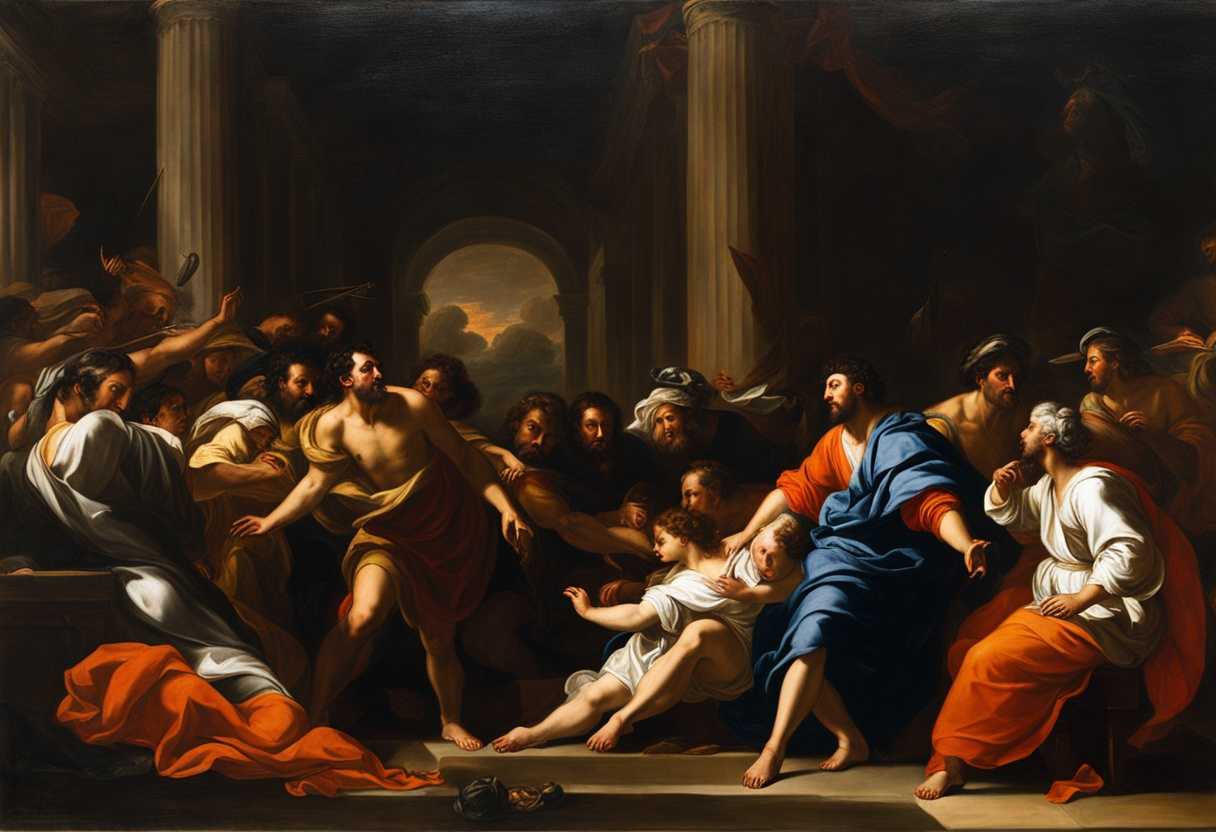
The True Meaning of Amos 1
The book of Amos was written by the prophet Amos, a shepherd from the southern kingdom of Judah. Amos was called by God to deliver a message of judgment to the northern kingdom of Israel during the prosperous reign of King Jeroboam II. Amos pronounces a series of oracles against the surrounding nations in this chapter, foreshadowing the impending judgment that will soon fall upon the people of Israel as well. Amos declares God’s wrath against the sins of these nations, warning them of the consequences they will face if they do not repent and turn back to the Lord.
The chapter also echoes the warnings found in other prophetic books, such as Isaiah’s pronouncement against the nations in Isaiah 13-23. Amos’ message serves as a stark reminder that God is a righteous and just God who will not tolerate the oppression and injustice perpetrated by these kingdoms. The people of Israel must heed the call to repentance and obedience before it is too late as they witness the judgment of their neighbors.
Amos 1:1-2
The verses in Amos 1:1-2 introduce us to the prophet Amos and provide a glimpse into the time period during which he prophesied. The text starts by identifying Amos as a shepherd from Tekoa, a small town located in Judah. It is essential to note that Amos was not a professional prophet; rather, he was a simple man of humble origins whom God chose to deliver His messages to the people of Israel. This exemplifies that God can use anyone, regardless of their background or status, to fulfill His purposes.
The text continues by revealing that Amos received his visions during the reigns of Uzziah, king of Judah, and Jeroboam son of Joash, king of Israel – providing a historical context for his prophetic ministry. During this time, both kingdoms were experiencing material prosperity and military success, but they were morally and spiritually corrupt. Amos was called to confront the social injustices, idolatry, and moral decadence prevalent in the Israelite society.
These verses set the stage for the rest of the Book of Amos, where the prophet delivers potent messages of judgment against the surrounding nations, including Damascus, Gaza, Tyre, Edom, Ammon, and Moab. Through these pronouncements, Amos highlights the sins and transgressions of these nations, emphasizing their violence, cruelty, and disregard for human life. Despite being directed towards foreign nations, these judgements also serve as a warning to Israel about the consequences of their own sins.
The overarching theme in these verses is the righteousness and justice of God. The nations mentioned in Amos 1 were condemned for their specific crimes, such as breaking treaties, engaging in betrayal, and committing atrocities in times of conflict. This serves as a reminder that God’s standards of justice are universal and that all people and nations are accountable for their actions. We can see a consistent pattern of God holding both individuals and nations accountable for their behavior by studying these verses in the context of the broader Biblical narrative. Just like in the times of Amos, when the nations faced the consequences of their sins, individuals and societies today are also called to repentance and righteousness. This reinforces the timeless message of the Bible that emphasizes the importance of moral conduct, justice, and obedience to God’s commands.
Amos 1:3-5
Certainly. The passage in Amos 1:3-5 reads, “This is what the Lord says: ‘For three sins of Damascus, even for four, I will not relent. Because she threshed Gilead with sledges having iron teeth, I will send fire on the house of Hazael that will consume the fortresses of Ben-Hadad. I will break down the gate of Damascus; I will destroy the king who is in the Valley of Aven and the one who holds the scepter in Beth Eden. The people of Aram will go into exile to Kir,’ says the Lord.”
The Lord speaks through the prophet Amos, declaring judgment against Damascus, the capital of Aram. The sins of Damascus mentioned here refer to their brutal warfare tactics, as indicated by the phrase “threshed Gilead with sledges having iron teeth.” This likely symbolizes the ruthless and destructive nature of their military campaigns, causing great suffering and devastation among their enemies. “For three sins were stated.”.. even for four,” it emphasizes that God’s patience has reached its limit, and judgment is imminent.
Hazael and Ben-Hadad mentioned in these verses were rulers of Damascus. Hazael was a particularly cruel and oppressive king who seized power through violent means. He infamously carried out atrocities against the Israelites as well, as seen in 2 Kings 8:12-15 and 2 Kings 10:32-33. The fortresses of Ben-Hadad, another ruler of Damascus, would suffer destruction as punishment for their wicked ways.
The prophecy of the destruction of Damascus fulfilled in history when the Assyrians, under Tiglath-Pileser III, conquered the city in the 8th century BC. This event underscores the idea that God holds nations accountable for their actions, especially when they oppress others unjustly. God’s judgment serves as a warning to all nations about the consequences of pride, violence, and injustice.
These verses in Amos also convey a broader message about God’s sovereignty and justice. They remind us that God is aware of the sins committed by nations and individuals, and He will ultimately bring about justice. It prompts reflection on our own actions and the importance of living in accordance with God’s will, treating others with compassion and righteousness. God’s righteousness prevails, highlighting the timeless truth that His judgment is just and inevitable.
Amos 1:6-8
The prophet Amos proclaims the judgment coming upon Gaza, Tyre, and Edom in Amos 1:6-8. Each of these three cities/nations had committed specific atrocities that had caught the attention of God.
Firstly, Gaza is being judged for selling whole communities into exile as slaves, a cruel and inhumane act. Tyre is being condemned for breaking a treaty or covenant of brotherhood. This betrayal of trust was a serious offense in the eyes of God. Edom is being judged for pursuing his brother Israel with the sword without pity and for his anger tearing perpetually, showing an unforgiving and vengeful spirit.
These verses emphasize God’s judgment on the nations for their sinful actions. The Bible frequently speaks of God’s judgment, not as an act of revenge, but as a necessary correction for those who have strayed from His ways. It serves as a warning to all nations that the consequences of their actions will not go unnoticed by God.
These specific examples of judgment against Gaza, Tyre, and Edom serve as a reminder that God’s justice is impartial and that He holds all nations accountable for their deeds. Christians are called to uphold justice, mercy, and righteousness. The message here is that God expects His people to treat others with fairness, honesty, and compassion, and to honor their commitments and relationships.
This passage also aligns with the theme of justice and righteousness found throughout the Bible. For instance, in Micah 6:8, we are reminded to act justly, love mercy, and walk humbly with our God. Similarly, in Matthew 5:7, Jesus blesses the merciful, emphasizing the importance of showing mercy to others as God shows mercy to us. The message of Amos 1:6-8 is a sobering reminder of the consequences of sin and the importance of living in accordance with God’s principles of righteousness and justice. It calls us to reflect on our actions and relationships, ensuring that we are always guided by love, mercy, and integrity in our dealings with others.
Amos 1:9-10
The Lord says in Amos 1:9-10, “For three sins of Tyre, even for four, I will not relent.” Because she sold whole communities of captives to Edom, disregarding a treaty of brotherhood, I will send fire on the walls of Tyre that will consume her fortresses.’” These verses are part of a series of prophecies against various nations for their sins and injustices. Tyre, a significant Phoenician city known for its trade and wealth, is being condemned here for its act of selling Israelite captives to Edom, violating a sacred covenant of brotherhood. This betrayal for profit is seen as a grave offense in the eyes of God.
The reference to Tyre’s actions of selling captives is a reminder of the extensive history of slavery and oppression that was prevalent in the ancient world. The act of selling others into slavery was not only a violation of human dignity but also a betrayal of the fundamental principles of justice and compassion. God is emphasizing the importance of treating others with fairness and respect, regardless of their social status or nationality, by pointing out this specific sin of Tyre.
The consequences of Tyre’s actions, as foretold by the prophet Amos, are severe – the city will be consumed by fire. This serves as a warning that God will not overlook or tolerate such grave injustices. The imagery of fire as a divine punishment is a common theme in the Bible, symbolizing God’s righteous anger and judgment against sin. This demonstrates the overarching theme of divine justice and retribution that runs through the Scriptures – that God is just and will hold nations and individuals accountable for their actions.
Throughout the Bible, we see numerous examples of God’s judgment against nations and people who acted unjustly and oppressed the weak. God heard the cries of the Israelites who were enslaved in Egypt in Exodus and delivered them from their oppressors. This theme of God championing the cause of the oppressed and punishing the oppressors is echoed in the prophecies of Amos against Tyre and other nations. It serves as a timeless reminder that God is a God of justice and righteousness, who expects His people to act with compassion and integrity towards one another.
Amos 1:11-12
The verse in Amos 1:11-12 reads, “This is what the Lord says: ‘For three sins of Edom, even for four, I will not relent. Because he pursued his brother with a sword and slaughtered the women of the land, because his anger raged continually and his fury flamed unchecked, I will send fire on Teman that will consume the fortresses of Bozrah.’”
Let’s break this down for a deeper understanding. Firstly, Edom was the land of Esau, the brother of Jacob in the Old Testament. The Edomites were descendants of Esau and the Israelites were descendants of Jacob. This verse brings to light the long-standing animosity and conflict between the Edomites and Israelites, originating from the sibling rivalry between Jacob and Esau. The Lord’s judgment upon Edom in these verses is due to their brutal treatment of the Israelites, which included violence and aggression. The reference to pursuing his brother with a sword emphasizes the treacherous actions of the Edomites against their own kinsmen. The Edomites reveal the extent of the brutality and cruelty inflicted by mentioning slaughtering the women of the land. The violence towards women, who were often the most vulnerable members of society, depicts the depth of their wickedness and lack of compassion. This transgression of targeting women and shedding innocent blood further incited the wrath of God upon Edom.
The imagery of fire being sent on Teman and consuming the fortresses of Bozrah symbolizes the divine punishment and destruction that will befall Edom. This fiery judgment signifies the retribution for their unrepentant sins and serves as a warning to all who oppress and harm others unjustly. The fortresses, which represented strength and security for the Edomites, would be devoured by the flames of God’s wrath, leaving them defenseless and powerless.
This passage from Amos reminds us of the consequences of sin and the accountability that individuals and nations have before God. It highlights the themes of justice, retribution, and the righteousness of God’s judgments. The story of Edom serves as a cautionary tale of the dangers of harboring hatred, seeking revenge, and perpetuating violence, as these actions ultimately lead to divine intervention and condemnation. This narrative echoes throughout the Bible, emphasizing the importance of love, forgiveness, and reconciliation as virtues that honor God and promote peace among humanity.
Amos 1:13-15
The prophet Amos delivers a message from God regarding the judgment of the Ammonites in Amos 1:13-15. Let’s break down these verses to gain a deeper understanding of their significance.
Verse 13 specifically focuses on the sin of the Ammonites, stating, “This is what the Lord says: ‘For three sins of Ammon, even for four, I will not relent. Because he ripped open the pregnant women of Gilead in order to extend his borders…” This verse highlights a heinous act committed by the Ammonites – the brutal and inhumane practice of ripping open pregnant women in Gilead. The Ammonites engaged in such atrocities to expand their territory, showing a complete disregard for basic human decency and the sanctity of life. This act not only demonstrates the extreme evil present in the Ammonites’ society but also reveals their thirst for power and dominance at any cost.
The mention of Gilead holds historical and biblical significance. Gilead was a region east of the Jordan River known for its fertile lands. It was a place of natural beauty and abundance. However, in this context, Gilead becomes a place of tragedy and horror due to the actions of the Ammonites. The brutal treatment of its women, particularly pregnant women, symbolizes the depths of the Ammonites’ cruelty and lack of moral restraint.
Moving on to Verse 14, it states, “So I will kindle a fire on the walls of Rabbah that will consume her fortresses amid war cries on the day of battle, amid a violent windstorm on the day of the storm…” Here, God pronounces judgment upon the capital of the Ammonites, Rabbah. The imagery of a fire consuming the walls of the city symbolizes the destruction and devastation that will befall the Ammonites as a result of their sins. The mention of war cries and a violent storm underscores the severity and inevitability of the judgment that will be carried out.
Rabbah, also known as Rabbath Ammon, was a prominent city that served as the capital of the Ammonite kingdom. Its mention in this verse signifies the epicenter of the Ammonites’ power and influence. The fact that God’s judgment is directed towards Rabbah highlights the accountability of not just individuals but also cities and nations for their actions. This reiterates the biblical principle that God holds both individuals and communities responsible for their deeds. God’s judgment upon the Ammonites emphasizes the comprehensive nature as the final verse describes, “Their king will go into exile, he and his officials together,” in Verse 15. The exile of their king and officials signifies the complete upheaval of their leadership and the collapse of their political authority. This aspect of divine retribution illustrates the consequences not just for the ordinary people but for those in positions of power and influence who have led their nation astray.
Throughout the Bible, there are numerous instances where nations are held accountable for their sins and face divine judgment. The story of the Ammonites in Amos 1 serves as a stark reminder of the righteous judgment of God and the consequences of wickedness and cruelty. It underscores the timeless message that God is just and will not overlook injustice, violence, and immorality. It also highlights the importance of repentance and turning back to God to avoid the impending judgment. The fate of the Ammonites in these verses serves as a cautionary tale for all nations and individuals to heed the call to righteousness and justice.
After Amos 1
The people had turned away from God and embraced the ways of the world. They had forgotten the covenant they had made with the Almighty, and their actions had brought about His judgment. Yet, even in the midst of this darkness, a glimmer of hope remained. For the Lord, in His infinite mercy, had not abandoned His people. The reverend knew that the next chapter would reveal the path to redemption if only the people would heed the call and return to the righteous way as the current chapter drew to a close.

Reverend Michael Johnson is an experienced Church Minister with a profound expertise in spirituality and guidance. With a serene presence and a compassionate heart, he has faithfully served his congregation for over 20 years, leading them on a spiritual journey towards inner peace and enlightenment. Reverend Johnson’s extensive knowledge of religious philosophies and profound understanding of human nature have made him a trusted confidant and mentor to many, as he seamlessly weaves his profound wisdom into life teachings. Reverend Johnson’s calming demeanor and empathetic nature continue to uplift and heal souls, nurturing a sense of unity and tranquility within his community.