
Amos 2:11-12 is about how the Israelites were chosen and blessed by God, but they failed to live up to the standards He set for them, leading to their downfall.
11 And I raised up some of your sons for prophets,
and some of your young men for Nazirites.
Is it not indeed so, O people of Israel? declares the Lord.
12 “But you made the Nazirites drink wine,
and commanded the prophets,
saying, ‘You shall not prophesy.’”
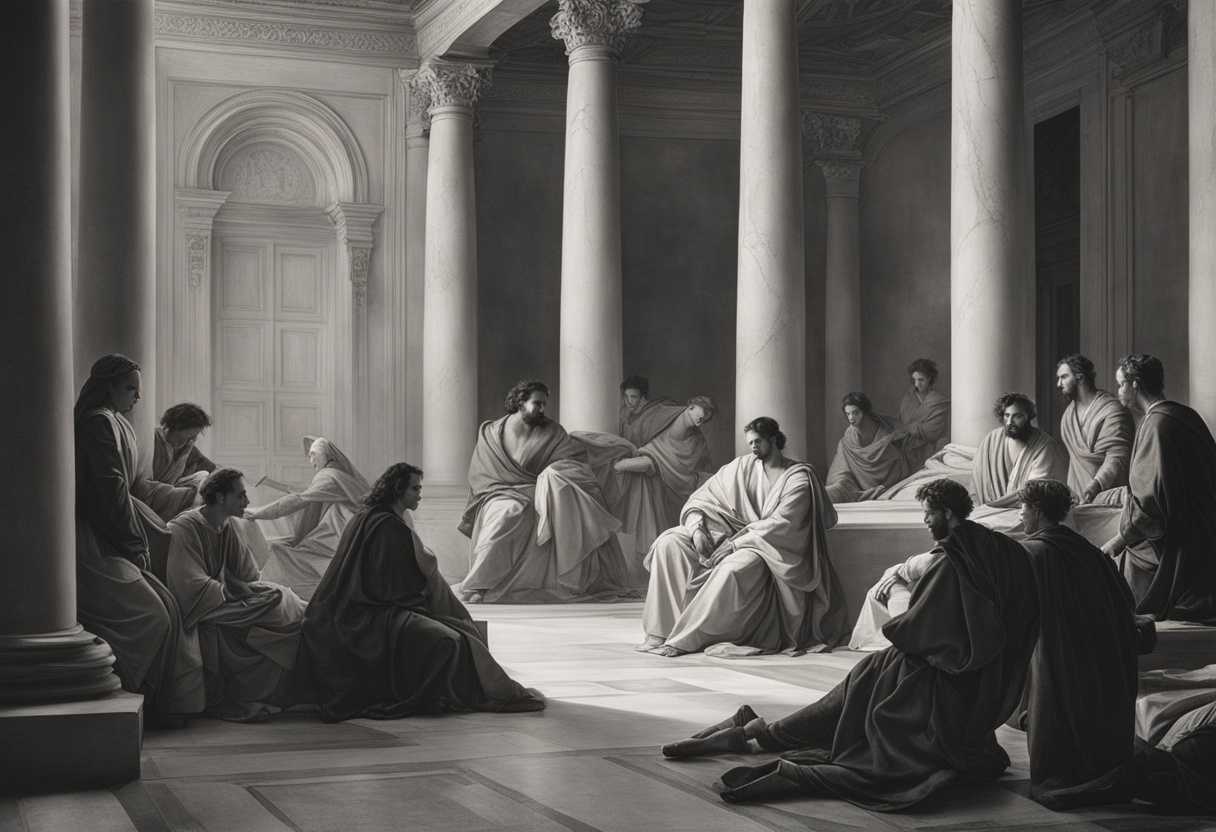
Setting the Scene for Amos 2:11-12
In Amos chapter 2, the prophet Amos is delivering a message from God to the people of Israel. The scene is set in a bustling marketplace in the city of Samaria, the capital of the Northern Kingdom of Israel. Traders from all over have gathered to buy and sell goods, filling the air with the sounds of bargaining and commerce.
Among the crowd are the wealthy and powerful individuals of Israel, including the priests and nobles who have grown complacent in their wealth and privilege. They have become corrupt, exploiting the poor and neglecting their responsibilities to care for the needy and oppressed in society. Amos, a shepherd from the southern kingdom of Judah, has been called by God to deliver a message of judgment and warning to these leaders.
As Amos stands in the marketplace, his voice rises above the din of the crowd as he condemns the injustices and sins of the people. He calls out the leaders for their mistreatment of the poor and their worship of false gods. The people stop in their tracks to listen, some in disbelief and others in fear of the impending judgment that Amos proclaims. The scene is tense as Amos delivers his message with unwavering conviction, challenging the people to repent and turn back to God before it is too late.
What is Amos 2:11-12 about?
This verse reflects the complex relationship between God and the people of Israel as portrayed in the Old Testament. It outlines how God specifically selected and appointed prophets and Nazirites to guide and lead the people, bestowing them with divine wisdom and calling them to a life of spiritual dedication. However, despite God’s divine intervention and the special status of these chosen individuals, the people of Israel failed to heed their messages and instead led them astray into sin. This highlights the recurring pattern of disobedience and rejection of God’s messengers throughout the history of the Israelites. We ponder on this verse, prompting us to consider the nature of divine guidance and human response. It poses the question of why the Israelites, despite being given such clear direction and leadership, chose to deviate from the path of righteousness. It also invites us to reflect on our own lives and how we respond to the messages and teachings that are placed before us. Do we honor and respect those who are chosen to guide us in a spiritual sense, or do we, like the Israelites, sometimes stray from the right path? This verse ultimately serves as a reminder of the importance of recognizing and honoring the wisdom and guidance that comes from divine sources. It urges us to reflect on our own actions and attitudes towards spiritual leaders and teachings, encouraging us to strive for obedience and faithfulness in following the path that has been set before us.
Understanding what Amos 2:11-12 really means
Amos, a prophet in the 8th century BCE, delivered messages during a time of prosperity marred by social injustice and religious apathy. His prophecies in the book of Amos emphasize justice, righteousness, and the consequences of disregarding God’s commands. The phrase “I raised up some of your sons for prophets” underscores God’s role in appointing messengers, highlighting the divine origin of their mission. Similarly, the mention of raising young men as Nazarites signifies a life dedicated to holiness and service to God. However, the act of making the Nazarites drink wine symbolizes leading the devoted astray, reflecting broader societal corruption.
In commanding the prophets not to prophesy, there is a clear rejection of God’s message and a desire to silence His messengers. This resistance to divine correction and truth echoes throughout history and is relevant even today. The themes of social justice, integrity, and faithfulness to God’s calling remain timeless, reminding us of the importance of upholding righteousness amidst moral compromises. The rejection of prophets and the leading astray of the dedicated can be observed in modern contexts where truth-tellers and those upholding ethical standards face marginalization and pressure to conform.
Consider a modern-day whistleblower in a corporation standing against unethical practices. Like the prophets and Nazarites, they often encounter resistance and attempts to silence them. This mirrors the societal dynamics described by Amos, where those advocating for truth and integrity face opposition. Yet, their courage and commitment to what is right can spark positive change, akin to the prophets’ messages aiming to steer Israel back to righteousness. Amos 2:11-12 prompts us to ponder how we treat truth-bearers and individuals living out their faith, urging us to champion integrity, justice, and faithfulness in our communities, recognizing the divine significance of these values.
How can we support and empower God’s chosen leaders?
We can support and empower God’s chosen leaders by recognizing their authority and seeking guidance from them. God’s prophets speak with authority and power, delivering His message to His people, just as a lion roars in the forest. We can align ourselves with God’s will and purpose for our lives by following their guidance and heeding their warnings.
Furthermore, we can support God’s chosen leaders by praying for them and lifting them up in prayer. Leading God’s people is a heavy responsibility, and these leaders often face challenges, opposition, and spiritual battles. We can provide them with spiritual protection, strength, and wisdom to carry out their divine calling effectively by covering them in prayer. We can honor and respect God’s chosen leaders by following their teachings and demonstrating our faith through obedience. We can avoid the pitfalls of sin and disobedience by heeding the instructions and warnings given by God’s anointed leaders, just as a bird does not fall into a snare without a trap being set. This way, we show our reverence for their authority and our commitment to walking in alignment with God’s commands.
Application
Pause for a moment and think about how crucial it is to recognize God’s unwavering presence in your life, just like you would prioritize your job or family. Have you let the hustle and bustle of everyday responsibilities distance you from your spiritual journey? Let Amos 2:11-12 serve as a clear sign to recenter your attention on God, seeking His wisdom and strength in everything you do. Are you willing to commit today to nurture your spiritual growth and strengthen your bond with the Divine?

Reverend Michael Johnson is an experienced Church Minister with a profound expertise in spirituality and guidance. With a serene presence and a compassionate heart, he has faithfully served his congregation for over 20 years, leading them on a spiritual journey towards inner peace and enlightenment. Reverend Johnson’s extensive knowledge of religious philosophies and profound understanding of human nature have made him a trusted confidant and mentor to many, as he seamlessly weaves his profound wisdom into life teachings. Reverend Johnson’s calming demeanor and empathetic nature continue to uplift and heal souls, nurturing a sense of unity and tranquility within his community.