
1 This is what the Lord God showed me: behold, he was forming locusts when the latter growth was just beginning to sprout, and behold, it was the latter growth after the king’s mowings.
2 When they had finished eating the grass of the land, I said, “O Lord God, please forgive! How can Jacob stand? He is so small!”
3 The Lord relented concerning this: “It shall not be,” said the Lord.
4 This is what the Lord God showed me: behold, the Lord God was calling for a judgment by fire, and it devoured the great deep and was eating up the land.
5 Then I said, “O Lord God, please cease! How can Jacob stand? He is so small.”
6 The Lord relented concerning this: “This also shall not be,” said the Lord God.
7 This is what he showed me: behold, the Lord was standing beside a wall built with a plumb line, with a plumb line in his hand.
8 And the Lord said to me, “Amos, what do you see?” And I said, “A plumb line.” Then the Lord said, “Behold, I am setting a plumb line in the midst of my people Israel; I will never again pass by them;
9 The high places of Isaac shall be made desolate,
and the sanctuaries of Israel shall be laid waste,
and I will rise against the house of Jeroboam with the sword.”
10 Then Amaziah the priest of Bethel sent to Jeroboam king of Israel, saying, “Amos has conspired against you in the midst of the house of Israel. The land is not able to bear all his words.
11 “For thus Amos has said, “‘Jeroboam shall die by the sword, and Israel must go into exile away from his land.’”
12 And Amaziah said to Amos, “O seer, go, flee away to the land of Judah, and eat bread there, and prophesy there,
13 But never again prophesy at Bethel, for it is the king’s sanctuary, and it is a temple of the kingdom.”
14 Then Amos answered and said to Amaziah, “I was no prophet, nor a prophet’s son, but I was a herdsman and a dresser of sycamore figs.
15 But the Lord took me from following the flock, and the Lord said to me, ‘Go, prophesy to my people Israel.’
16 Now therefore hear the word of the Lord. “You say, ‘Do not prophesy against Israel, and do not preach against the house of Isaac.’
17 Therefore thus says the Lord: “‘Your wife shall be a prostitute in the city, and your sons and your daughters shall fall by the sword, and your land shall be divided up with a measuring line; you yourself shall die in an unclean land, and Israel shall surely go into exile away from its land.’”
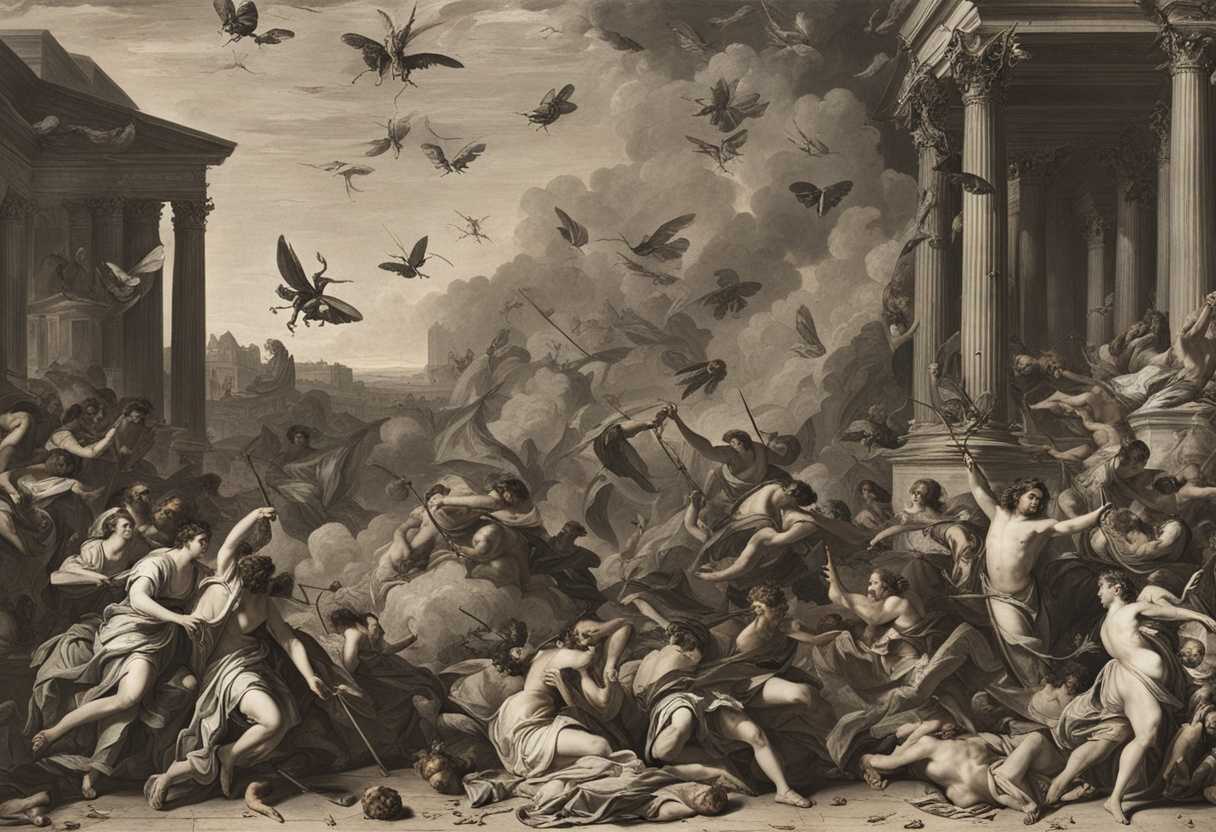
The True Meaning of Amos 7
The book of Amos was written by the prophet Amos, a shepherd from the town of Tekoa. Amos was not a professional prophet, but rather a common man called by God to deliver a message of judgment and repentance to the northern kingdom of Israel during the prosperous reign of Jeroboam II. Amos recounts a series of visions he received from God in this chapter, each one revealing the impending judgment that would soon fall upon Israel if they did not turn from their wicked ways. These visions foreshadow the coming destruction of the northern kingdom, as well as the confrontation between Amos and the priest Amaziah, who attempts to silence the prophet’s message.
Throughout this passage, Amos draws upon imagery and language from other biblical books, such as the locusts in Joel 1 and the plumb line in 2 Kings 21, to emphasize the gravity of Israel’s sin and the certainty of God’s judgment. As we delve into this chapter, Amos’s unwavering commitment to God’s truth ultimately leads to conflict with the religious and political authorities of his day.
Amos 7:1-3
The Lord gave the prophet Amos a powerful vision in Amos 7:1-3. The Lord showed Amos a swarm of locusts that were devouring the land. This vision of destruction symbolizes God’s judgment upon the people of Israel for their sins. The locusts were a common punishment in the ancient Near East, often used as a tool of God’s judgment.
This imagery of the locusts consuming the land is a vivid portrayal of the devastation that would come upon Israel if they did not repent and turn back to God. The locusts would destroy the crops, leaving the people without food and resources. Through this vision, God was warning the people of the impending consequences of their disobedience.
This section of the verse carries a timeless message about the consequences of sin and disobedience. Throughout the Bible, we see examples of God’s judgment upon nations and individuals who turn away from Him. The story of the Israelites wandering in the desert for forty years due to their disobedience serves as a reminder of the importance of obedience and faithfulness to God. Jesus in the New Testament also speaks about the importance of repentance and turning away from sin. He says in Luke 13:3, “I tell you, no! But unless you repent, you too will all perish.” This verse echoes the message in Amos 7, emphasizing the need for repentance to avoid the judgment of God.
The vision of the locusts in Amos 7 serves as a wakeup call for the people of Israel to repent and return to God. It reminds us of the importance of humility, obedience, and faithfulness in our relationship with God. Sin can have devastating consequences in our lives if we do not turn to God for forgiveness and redemption, just as the locusts brought destruction upon the land.
Amos 7:4-6
God shows the prophet Amos a vision of judgment through a series of symbolic acts involving natural disasters in Amos 7:4-6. The Lord first shows Amos a vision of locusts devouring the land. This imagery of locusts destroying the crops represents a devastating plague that will come upon the people due to their sins and disobedience. Locusts are known for their ability to strip everything in their path, leaving a land desolate. Through this vision, God is warning the people of the consequences of their actions if they don’t repent and turn back to Him.
The next vision the Lord shows Amos is one of fire consuming the land. Fire is a common symbol of God’s judgment throughout the Bible. The punishment will come upon the people if they continue in their wicked ways. The imagery of fire represents the intensity and severity of God’s wrath against sin.
Lastly, God reveals to Amos a vision of a plumb line, which is a tool used by builders to ensure that walls are straight and true. The plumb line symbolizes God’s standard of righteousness and His judgment against the crookedness and sinfulness of the people. God is declaring that He will judge the people according to His perfect standard, and those who fall short will face His judgment.
These visions serve as a powerful warning to the people of Israel to repent and turn back to God before it is too late. The use of symbolic imagery in these visions conveys a deep message about the consequences of sin and the importance of living in obedience to God. It emphasizes the principle found throughout the Bible that God is just and will judge sin, but He is also merciful and calls His people to repentance.
These visions in Amos 7 are reminiscent of similar warnings and judgments found throughout the Bible. God sends the prophet to warn the people of Judah of impending judgment if they do not repent of their sins in the book of Jeremiah. The imagery of locusts, fire, and a plumb line can also be found in other prophetic books, underscoring the consistent message of God’s judgment and call to righteousness throughout the Scriptures. The timeless message in Amos 7 is that God is patient and merciful, but He also expects His people to live in obedience to His commands, and there are consequences for disobedience.
Amos 7:7-9
Amos and the Lord have a powerful exchange in Amos 7:7-9. This communication is conveyed through a series of visions in which the Lord uses symbolic imagery to communicate His message to Amos. First, we see the Lord standing by a wall with a plumb line in His hand. The plumb line was a tool used in construction to ensure that a wall was straight and true. The wall represents the people of Israel in this vision, and the plumb line symbolizes God’s standard of righteousness and justice. The Lord is making it clear that He will judge His people according to His unchanging standards by holding the plumb line next to the wall.
This vision holds a profound message for the people of Israel and for us today. It serves as a reminder that God’s standards are absolute and unwavering. We, as His people, are called to align our lives with His truth and righteousness. A life that is not built on the foundations of God’s word will ultimately crumble, just as a crooked wall cannot stand the test of time. This vision highlights the importance of living according to God’s moral code, seeking His justice, and walking in His ways. Amos sees another vision of the Lord showing him a basket of ripe summer fruit in response to the vision of the plumb line. The significance of this vision lies in the wordplay in Hebrew between “summer fruit” (qayits) and “end” (qets). The ripe summer fruit symbolizes that the time of harvest is near, as the fruit is at its peak and ready to be gathered. The people of Israel have ripened in their sin and are nearing the time of judgment in the same way.
This vision underscores the idea of God’s timing and patience. Despite the people’s persistent rebellion and sin, God’s judgment is not hasty. He gives ample opportunity for repentance and correction. However, there comes a point when the time of harvest arrives, and each one will reap what they have sown. This imagery of ripe fruit serves as a warning to the people of Israel to heed God’s call for repentance before it is too late. It is a timeless reminder that God is patient and merciful, but there will come a time when His justice must be fulfilled. We are challenged to reflect on these visions in Amos 7:7-9, examining our lives in light of God’s plumb line and the symbolism of the ripe fruit. Are we living in alignment with God’s standards, or have we strayed from His path? Are we heeding His call for repentance and righteousness, or are we ignoring His warnings? These visions serve as a call to action for us to realign our lives with God’s truth, seek His forgiveness and grace, and live in a manner that is pleasing to Him. Like the people of Israel, we are called to respond to God’s message with humility, repentance, and a desire to walk in His ways.
Amos 7:10-13
Amos, the prophet of God, confronts Amaziah, the priest of Bethel, in Amos 7:10-13. Amaziah was a prominent figure in the religious establishment of Israel at the time, serving in the royal sanctuary at Bethel which had sadly become a center of idolatry and false worship. Amaziah felt threatened by Amos’s prophecies, as they challenged the status quo and authority of the religious leaders of the day.
The passage begins with Amos being accused of conspiracy against the king and told to flee to Judah to prophesy there. Amaziah’s motives were likely to protect the king and the established religious order from Amos’s messages of impending judgment. This confrontation echoes the theme seen throughout the Bible where prophets face opposition and persecution when delivering God’s word to a people who often do not want to hear it. Many prophets, including Elijah, Jeremiah, and Isaiah, faced similar resistance from religious and political leaders.
Amos, undeterred by Amaziah’s threats, boldly asserts that he is not a professional prophet but a simple herdsman called by God to prophesy. This serves as a reminder that God often chooses the humble and unlikely individuals to deliver His messages, emphasizing that obedience and authenticity are more important than worldly credentials or titles. This idea resonates with the biblical narrative of God using people like Moses, David, and Mary to fulfill His purposes despite their lack of status or qualifications in the eyes of the world.
Amos then delivers a specific message from God to Amaziah, predicting the fate of his family and the exile of Israel. This prophecy serves as a warning that God’s judgment will not spare even the powerful and influential if they continue in their disobedience and rejection of the truth. This aligns with the recurring biblical theme that God is just and holds all people accountable for their actions, regardless of their social standing or position of authority. The inevitability of God’s judgment and the need for repentance and obedience run through the entire Bible, reminding us of the importance of living in alignment with God’s will. This passage in Amos 7:10-13 highlights the timeless message of standing firm in the face of opposition, delivering God’s truth faithfully, and being aware of the consequences of rejecting His word. It serves as a powerful reminder that God’s messages will be proclaimed, and His will fulfilled, even in the face of resistance and hostility. The story of Amos and Amaziah continues to inspire readers to be obedient to God’s calling, regardless of the challenges that may arise, and to trust in His sovereignty and justice in all circumstances.
Amos 7:14-17
Amos, the prophet called by God to deliver messages to Israel, interacts with Amaziah, the priest of Bethel concerned about the impact of Amos’ prophetic words on the people, in Amos 7:14-17. Let’s break down this passage:
- “Then Amos answered and said to Amaziah, ‘I was no prophet, nor a prophet’s son, but I was a herdsman and a dresser of sycamore figs. But the Lord took me from following the flock, and the Lord said to me, ‘Go, prophesy to my people Israel.’“
Commentary: Amos begins by humbly explaining his background as not being from a line of prophets or having a prestigious upbringing. He was a simple herdsman and caretaker of sycamore fig trees when God called him to be a prophet. This emphasizes the idea that God can choose anyone, regardless of their status or background, to deliver His message. Amos being taken from his ordinary daily work to become a powerful prophet serves as a reminder that God often chooses the humble and the unexpected to carry out His divine plans. This concept is echoed in other parts of the Bible, like in 1 Corinthians 1:27-29, which says, “But God chose the foolish things of the world to shame the wise; God chose the weak things of the world to shame the strong.”
- “Now therefore hear the word of the Lord: You say, ‘Do not prophesy against Israel, and do not preach against the house of Isaac.’ Therefore thus says the Lord: ‘Your wife shall be a prostitute in the city, and your sons and your daughters shall fall by the sword, and your land shall be divided up with a measuring line; you yourself shall die in an unclean land, and Israel shall surely go into exile away from its land.’“
Commentary: Amaziah, the priest of Bethel, had tried to silence Amos and prevent him from delivering God’s message of judgment against Israel. However, Amos fearlessly continues to prophesy against Israel and specifically delivers a message of divine punishment to Amaziah himself. The consequences outlined for Amaziah and his family are severe, including his wife becoming a prostitute, his children dying violently, and his land being divided up. This vivid prophecy highlights the seriousness of rejecting God’s word and persecuting His messengers. It serves as a warning that disobedience and opposition to God’s will have grave consequences. Other biblical examples of divine retribution for opposing God’s prophets include the stories of King Ahab and Jezebel in 1 Kings 21 and the fate of the false prophet Hananiah in Jeremiah 28. This passage from Amos 7:14-17 emphasizes the calling and authority of God’s chosen messengers, regardless of their background. It also serves as a stark warning against opposing God’s word and mistreating His prophets. Through the interactions between Amos and Amaziah, we are reminded of the importance of heeding God’s messages and the serious repercussions of standing in the way of His divine purposes.
After Amos 7
The Lord had shown Amos a vision of a plumb line, a tool used to measure the straightness of a wall. This vision revealed the true state of Israel – they had strayed far from God’s righteous standards. Amos faithfully delivered this message, but the people refused to listen. Amaziah, the priest, tried to silence the prophet Amos as the chapter drew to a close. But Amos would not be silenced. He knew the judgment of God was coming, and he had to warn the people. The stage was set for a confrontation that would test Amos’ resolve and the people’s willingness to heed the word of the Lord.

Reverend Michael Johnson is an experienced Church Minister with a profound expertise in spirituality and guidance. With a serene presence and a compassionate heart, he has faithfully served his congregation for over 20 years, leading them on a spiritual journey towards inner peace and enlightenment. Reverend Johnson’s extensive knowledge of religious philosophies and profound understanding of human nature have made him a trusted confidant and mentor to many, as he seamlessly weaves his profound wisdom into life teachings. Reverend Johnson’s calming demeanor and empathetic nature continue to uplift and heal souls, nurturing a sense of unity and tranquility within his community.