
1 I saw the Lord standing beside the altar, and he said: “Strike the capitals until the thresholds shake, and shatter them on the heads of all the people; and those who are left of them I will kill with the sword; not one of them shall flee away; not one of them shall escape.”
2 “If they dig into Sheol, from there shall my hand take them; if they climb up to heaven, from there I will bring them down.”
3 If they hide themselves on the top of Carmel,
from there I will search them out and take them;
and if they hide from my sight at the bottom of the sea,
there I will command the serpent, and it shall bite them.
4 And if they go into captivity before their enemies,
there I will command the sword,
and it shall kill them;
and I will fix my eyes upon them
for evil and not for good.”
5 The Lord God of hosts, he who touches the earth and it melts, and all who dwell in it mourn, and all of it rises like the Nile, and sinks again, like the Nile of Egypt;
6 The one who builds his upper chambers in the heavens and founds his vault upon the earth; who calls for the waters of the sea and pours them out upon the surface of the earth— the Lord is his name.
7 “Are you not like the Cushites to me, O people of Israel?” declares the Lord. “Did I not bring up Israel from the land of Egypt, and the Philistines from Caphtor and the Syrians from Kir?”
8 Behold, the eyes of the Lord God are upon the sinful kingdom, and I will destroy it from the surface of the ground, except that I will not utterly destroy the house of Jacob,” declares the Lord.
9 “For behold, I will command, and shake the house of Israel among all the nations as one shakes with a sieve, but no pebble shall fall to the earth.”
10 All the sinners of my people shall die by the sword, who say, ‘Disaster shall not overtake or meet us.’
11 “In that day I will raise up the booth of David that is fallen and repair its breaches, and raise up its ruins and rebuild it as in the days of old,”
12 that they may possess the remnant of Edom
and all the nations who are called by my name,”
declares the Lord who does this.
13 “Behold, the days are coming,” declares the Lord,
“when the plowman shall overtake the reaper
and the treader of grapes him who sows the seed;
the mountains shall drip sweet wine,
and all the hills shall flow with it.”
14 I will restore the fortunes of my people Israel, and they shall rebuild the ruined cities and inhabit them; they shall plant vineyards and drink their wine, and they shall make gardens and eat their fruit.
15 I will plant them on their land, and they shall never again be uprooted out of the land that I have given them,” says the Lord your God.
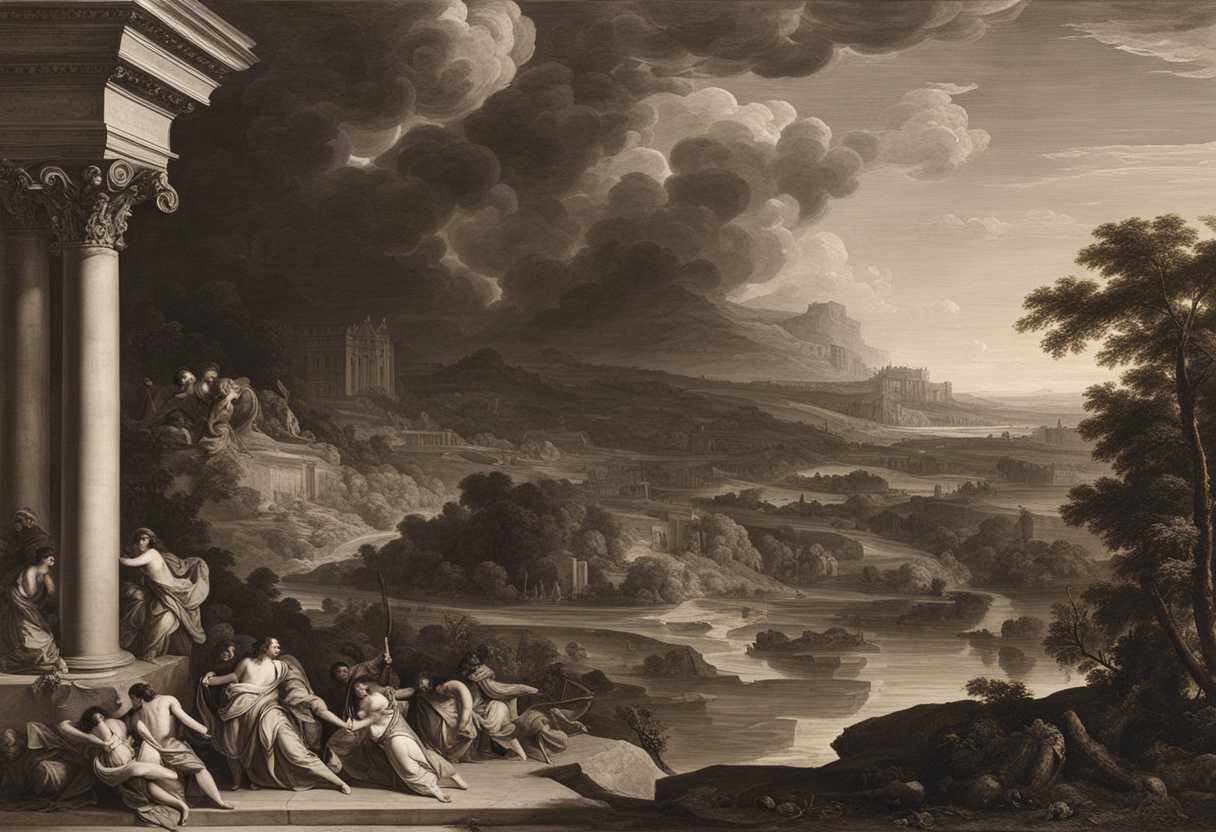
The True Meaning of Amos 9
The book of Amos was written by the prophet Amos, a shepherd from the southern kingdom of Judah. He was called by God to deliver a message of judgment to the northern kingdom of Israel during the prosperous reign of Jeroboam II. Amos continues to warn the people of Israel about the impending judgment of God in this final chapter. He describes a vision of the Lord standing by the altar, ready to strike the land and its people. This vision serves as a stark reminder of the consequences of their continued disobedience and idolatry, as foretold in earlier chapters (Amos 2:6-8, 4:1-3, 5:21-24).
The chapter also includes a promise of restoration and hope for the future, echoing the words of the prophet Isaiah (Isaiah 11:11-12) and foreshadowing the coming of the Messiah. Amos reminds the people that even in the midst of judgment, God’s love and mercy are ever-present, and that He desires to redeem and restore His people.
Amos 9:1-4
The Lord gives Amos a vision of judgment in Amos 9:1-4. The passage starts with the prophet seeing the Lord standing beside the altar. This image is powerful as it conveys the idea that God is present and active in his judgment. The mention of the altar is significant as it was the place where sacrifices were offered and where the people sought forgiveness and reconciliation with God. In this context, the end of mercy and the beginning of judgment are signified.
The verse then talks about the Lord commanding that the temple be struck so that the pillars shake and the thresholds collapse. This is a symbolic depiction of the destruction that will come upon the people of Israel. The image of the temple being destroyed would have been particularly shocking to the Israelites as the temple was seen as the dwelling place of God. This judgment signifies the severity of the consequences of the people’s sin and disobedience.
Amos goes on to describe the fate of those who try to hide from the Lord’s judgment. Even if they dig down to the depths of Sheol (the underworld) or climb up to heaven, the Lord’s hand will bring them down. This illustrates the futility of trying to escape God’s judgment. It emphasizes the omnipresence and power of God, highlighting the fact that no one can hide from Him or evade the consequences of their actions.
The passage concludes with a vivid description of God’s determination to bring His people to account for their sins. Even if they hide at the top of Mount Carmel or the bottom of the sea, God will find them and bring judgment upon them. This relentless pursuit of justice demonstrates God’s righteousness and commitment to upholding His moral laws. This passage serves as a warning to the people of Israel about the consequences of their disobedience. It emphasizes the importance of repentance and turning back to God before it is too late. The imagery of destruction and the inability to escape God’s judgment serves as a powerful reminder of the accountability we all have before a just and omnipotent God. This passage aligns with numerous other verses in the broader context of the Bible that speak about the inevitability of judgment for sin and the need for repentance and righteousness.g., Romans 2:5, Hebrews 9:27, Revelation 20:12).
Amos 9:5-6
The verses in Amos 9:5-6 vividly describe a scene of God’s power and authority over all aspects of creation. It begins with a powerful declaration that the Lord, who is referred to as the Lord God of hosts, touches the earth and it melts, with all who dwell on it mourning. This imagery portrays the sheer magnitude of God’s sovereignty and control over the world. It conveys a sense of fear and awe towards God’s omnipotence, where His mere touch can bring about such immense and overwhelming consequences.
This passage serves as a reminder of God’s almighty power, underscoring the importance of recognizing and acknowledging His supremacy. It reflects the biblical theme of God’s judgment and the consequences of disobedience. This theme is echoed in other parts of the Bible, such as in Psalm 97:5, which states, “The mountains melt like wax before the Lord, before the Lord of all the earth.” This imagery of the melting earth signifies the transitory nature of worldly things in the face of God’s eternal power and righteousness.
Furthermore, the mention of the foundations of the earth in these verses reinforces the idea of God as the creator and sustainer of all things. Just as a builder carefully lays the foundation of a building, God has established the very groundwork of the earth with wisdom and purpose. This notion is consistent with the biblical narrative of creation found in Genesis, where God creates the heavens and the earth and all that is in them. Amos 9:5-6 highlights the overarching theme of God’s sovereignty, judgment, and creative power. It compels readers to reflect on the reverence and respect owed to the Lord, the One who holds the world in His hands and whose authority extends over the entire universe. It underscores the importance of living in accordance with God’s will and recognizing His supremacy in all aspects of our lives.
Amos 9:7-10
- Breakdown of the verse:
Amos 9:7-10 (NIV):
“Are not you Israelites the same to me as the Cushites?” declares the Lord. “Did I not bring Israel up from Egypt, the Philistines from Caphtor and the Arameans from Kir? Surely the eyes of the Sovereign Lord are on the sinful kingdom. I will destroy it from the face of the earth—yet I will not totally destroy the descendants of Jacob,” declares the Lord. “For I will give the command, and I will shake the people of Israel among all the nations as grain is shaken in a sieve, and not a pebble will reach the ground. All the sinners among my people will die by the sword, all those who say, ‘Disaster will not overtake or meet us.’”
-
The prophet Amos delivers a message from the Lord to the Israelites in this passage, drawing parallels between them and other nations. The Lord reminds the Israelites that their relationship with Him does not make them superior to other nations like the Cushites. This challenges their sense of chosenness and warns against complacency and arrogance.
-
The mention of the Lord bringing up the Israelites from Egypt, the Philistines from Caphtor, and the Arameans from Kir highlights God’s sovereignty and authority over all nations. It emphasizes that God is not limited to one group of people but has a plan for all nations, demonstrating His universal power and care.
-
The assurance that the descendants of Jacob will not be totally destroyed despite the impending judgment on the sinful kingdom reveals God’s mercy and faithfulness to His covenant promises. Even in discipline, God maintains His commitment to His chosen people, showing that His love is constant and enduring.
-
The imagery of shaking the people of Israel among all the nations like grain in a sieve conveys a process of purification and refinement. This shaking represents the judgment and scattering of Israel due to their sin, but ultimately, it is a means of sifting out the sinful elements to preserve a remnant that will remain faithful to God.
-
The severe consequence for the sinners among God’s people, who are complacent and deny the possibility of disaster, serves as a warning against spiritual apathy and false security. Through the sword of judgment, God will purge the unrepentant sinners, teaching a lesson on the importance of repentance and humility before the Lord.
-
This passage echoes themes found throughout the Bible, such as the universal sovereignty of God over all nations (Psalm 22:28), His faithfulness to His promises to the patriarchs (Genesis 12:1-3), the need for repentance and humility in the face of judgment (2 Chronicles 7:14), and the reality of God’s discipline towards His people out of love (Hebrews 12:6). This text reminds us of the timeless truth that God’s judgment is just, His mercy is enduring, and His discipline is out of love for His people, urging us to remain faithful and humble before Him.
Amos 9:11-12
The Lord declares in Amos 9:11-12 that He will restore David’s fallen shelter, repair its broken walls, restore its ruins, and rebuild it as it used to be, so that they may possess the remnant of Edom and all the nations that bear His name. The prophet Amos receives a message from the Lord about the future restoration of the kingdom of David in this section. The term “David’s shelter” is a reference to the royal dynasty established by King David, known as the House of David. Despite the current state of desolation and ruin that Israel was experiencing due to their disobedience and sin, the Lord promises a future restoration of the Davidic dynasty. This restoration points to the coming of the Messiah, who would be from the line of David and would establish an eternal kingdom (Isaiah 9:6-7).
The Lord’s promise to repair the broken walls and rebuild the ruins symbolizes His desire to restore His people and bring them back to a place of prosperity and blessing. This promise of restoration is a recurring theme throughout the Bible, highlighting God’s faithfulness to His covenant with His people despite their unfaithfulness. This act of restoration is not just physical but also spiritual, as it signifies the renewal and reconciliation of the people with God.
The inclusion of the remnant of Edom and all the nations that bear the Lord’s name in the promise of restoration showcases God’s inclusive salvation plan. Even nations outside of Israel are invited to be a part of God’s restored kingdom, emphasizing that His redemptive work is not limited to one group of people but extends to all who believe in Him. This foreshadows the eventual fulfillment of God’s plan for salvation through Jesus Christ, who came to redeem not only the people of Israel but also all nations (Matthew 28:19-20). The message in Amos 9:11-12 serves as a reminder of God’s faithfulness in restoring His people, fulfilling His promises, and including all nations in His redemptive plan. It points to the ultimate restoration and renewal that will be brought about through the Messiah, Jesus Christ, who is the fulfillment of the Davidic covenant and the Savior of the world.
Amos 9:13-15
The passage in Amos 9:13-15 promises that the days are coming when the plowman will overtake the reaper and the treader of grapes him who sows the seed. This imagery is significant, as it illustrates a time of such abundance that the work of planting and harvesting will blend together, pointing towards a time of prosperity and plenty. This promise is a stark contrast to the earlier warnings of destruction and judgment that Amos delivers throughout the book. It shows a shift from judgment to restoration, emphasizing God’s mercy and faithfulness despite the people’s disobedience.
The mention of mountains dripping with sweet wine and hills flowing with milk is a vivid picture of abundance and blessing. These images conjure up the idea of overflowing blessings that will be poured out on the land and its people, symbolizing God’s favor and provision. This promise echoes similar images of abundance and blessing found in other parts of the Bible, such as the land flowing with milk and honey promised to the Israelites in Exodus 3:8 as they entered the Promised Land.
The mention of the exiled people being brought back from captivity highlights God’s faithfulness and His commitment to restore His people even after they have faced the consequences of their sins. Throughout the Bible, we see numerous instances of God’s people being exiled, but also being brought back into the land of promise when they repent and turn back to God. This theme of restoration and redemption is central to the message of the Bible, emphasizing God’s grace and His desire to reconcile with His people.
The final verses of Amos 9 speak of planting the people firmly in the land, never to be uprooted again. This promise of security and stability reflects God’s covenant with His people and His promise to always be with them. It echoes promises of God’s presence and protection found in other parts of the Bible, such as Psalm 16:8 which says, “I have set the Lord always before me; because he is at my right hand, I shall not be shaken. The passage in Amos 9:13-15 serves as a message of hope and restoration amidst the warnings of judgment and destruction. It underscores the faithfulness of God to His people, His desire to bless them abundantly, and His promise to bring them back into relationship with Him. The timeless message of this passage resonates with the overarching theme of the Bible, which is God’s relentless pursuit of His people and His unwavering love for them.
After Amos 9
The Lord had spoken, and the people had heard. They had witnessed the power of the divine, the judgment that had befallen their land. Yet, in the midst of this reckoning, a glimmer of hope emerged. For the Lord, in His infinite wisdom, had not abandoned His people. A promise of restoration and renewal hung in the air as the chapter drew to a close, beckoning the faithful to look beyond the present turmoil and toward a future where the Lord’s blessings would once again flow like a mighty river. It was a message of hope that would carry the people through the trials to come, guiding them toward a time of healing and redemption.

Reverend Michael Johnson is an experienced Church Minister with a profound expertise in spirituality and guidance. With a serene presence and a compassionate heart, he has faithfully served his congregation for over 20 years, leading them on a spiritual journey towards inner peace and enlightenment. Reverend Johnson’s extensive knowledge of religious philosophies and profound understanding of human nature have made him a trusted confidant and mentor to many, as he seamlessly weaves his profound wisdom into life teachings. Reverend Johnson’s calming demeanor and empathetic nature continue to uplift and heal souls, nurturing a sense of unity and tranquility within his community.