
1 “At that time the Lord said to me, ‘Cut for yourself two tablets of stone like the first, and come up to me on the mountain and make an ark of wood.”
2 And I will write on the tablets the words that were on the first tablets that you broke, and you shall put them in the ark.”
3 So I made an ark of acacia wood, and cut two tablets of stone like the first, and went up the mountain with the two tablets in my hand.
4 And he wrote on the tablets, in the same writing as before, the Ten Commandments that the Lord had spoken to you on the mountain out of the midst of the fire on the day of the assembly.
5 Then I turned and came down from the mountain and put the tablets in the ark that I had made. And there they are, as the Lord commanded me.”
6 (The people of Israel journeyed from Beeroth Bene-jaakan to Moserah. There Aaron died, and there he was buried. And his son Eleazar ministered as priest in his place.
7 From there they journeyed to Gudgodah, and from Gudgodah to Jotbathah, a land with brooks of water.
8 At that time the Lord set apart the tribe of Levi to carry the ark of the covenant of the Lord, to stand before the Lord to minister to him and to bless in his name, to this day.
9 Therefore Levi has no portion or inheritance with his brothers. The Lord is his inheritance, as the Lord your God said to him.
10 “But I stayed on the mountain, as at the first time, forty days and forty nights, and the Lord listened to me that time also. The Lord was unwilling to destroy you.”
11 Behold, the Lord your God has set the land before you. Go up, take possession, as the Lord, the God of your fathers, has told you. Do not fear or be dismayed.
12 “And now, Israel, what does the Lord your God require of you, but to fear the Lord your God, to walk in all his ways, to love him, to serve the Lord your God with all your heart and with all your soul,”
13 and to keep the commandments and statutes of the Lord, which I am commanding you today for your good?
14 Behold, to the Lord your God belong heaven and the heaven of heavens, the earth with all that is in it.
15 Yet the Lord set his heart in love on your fathers and chose their offspring after them, you above all peoples, as you are this day.
16 Circumcise therefore the foreskin of your heart, and be no longer stubborn.
17 For the Lord your God is God of gods and Lord of lords, the great, the mighty, and the awesome God, who is not partial and takes no bribe.
18 He executes justice for the fatherless and the widow, and loves the sojourner, giving him food and clothing.
19 Love the sojourner, therefore, for you were sojourners in the land of Egypt.
20 You shall fear the Lord your God. You shall serve him and hold fast to him, and by his name you shall swear.
21 He is your praise. He is your God, who has done for you these great and terrifying things that your eyes have seen.
22 Your fathers went down to Egypt seventy persons, and now the Lord your God has made you as numerous as the stars of heaven.
The True Meaning of Deuteronomy 10
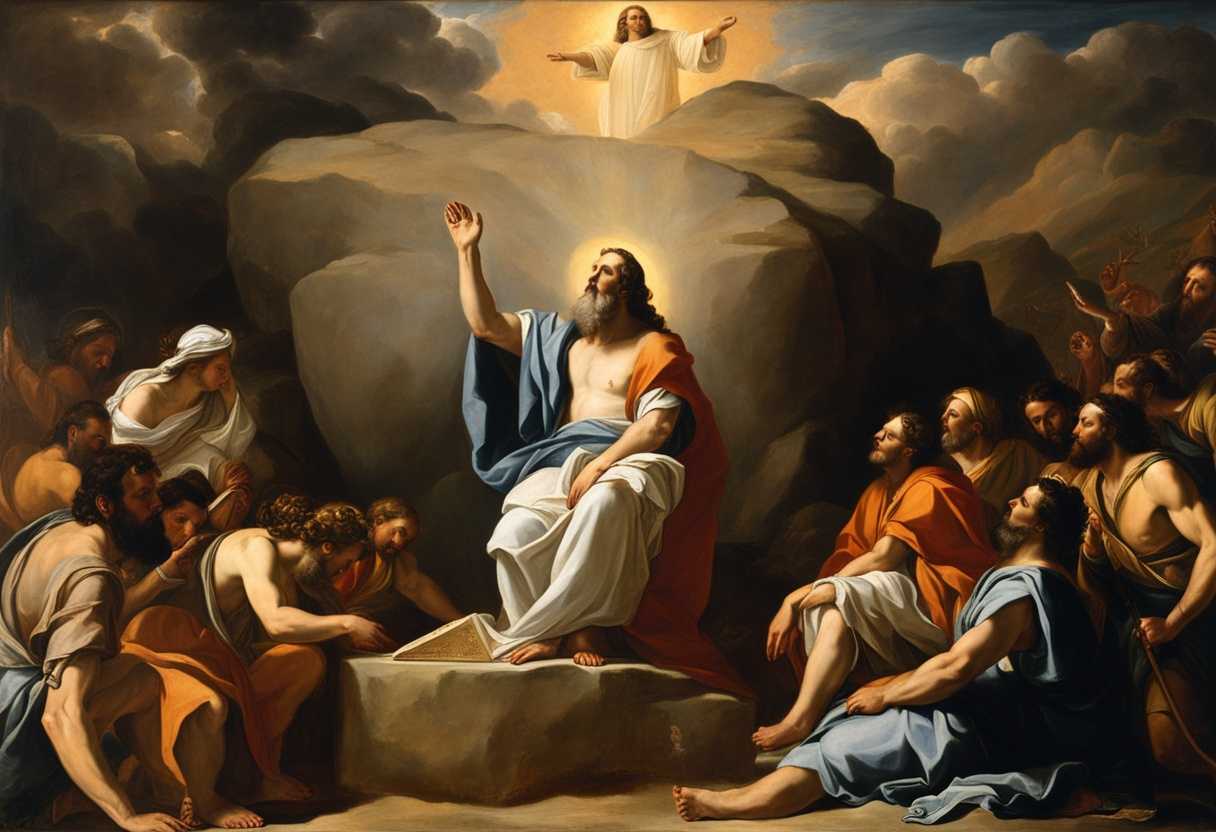
The book of Deuteronomy was written by Moses, the great prophet and leader of the Israelites. Moses provided the people with a renewed understanding of God’s laws and their covenant relationship with Him as they journeyed through the wilderness towards the Promised Land. Moses recounts the events surrounding the second set of stone tablets that God provided after the Israelites had sinned by worshipping the golden calf in this chapter. This was a pivotal moment, as it demonstrated God’s mercy and the importance of obedience to His commands. The chapter also highlights the character of God, who is just, compassionate, and desires a personal relationship with His people. We will witness the Israelites being reminded of their unique calling to be a holy nation, set apart for God’s purposes as we delve into this passage. We will also be reminded of the blessings that come from walking in obedience to the Lord, as well as the consequences of turning away from Him. These themes are echoed throughout the Scriptures, from the book of Genesis to the prophetic writings.
Deuteronomy 10:1-5
Moses recounts the moment when he received the second set of tablets of the Ten Commandments from God in Deuteronomy 10:1-5. The first tablets were shattered by Moses in anger when he found the Israelites worshipping the golden calf. This event marked a significant turning point in the relationship between God and the people of Israel. The broken tablets symbolized the broken covenant caused by the Israelites’ sin and disregard for God’s commandments. God instructs Moses to chisel out two stone tablets like the first ones in these verses. The fact that God instructs Moses to participate in the preparation of the tablets serves as a metaphor for the partnership between God and humanity in upholding the covenant. Despite the betrayal of the Israelites, God is willing to renew the covenant and give them another chance.
The tablets of stone on which God wrote the Ten Commandments are central to the identity of the Israelites as God’s chosen people. The commandments serve as the foundation of Israelite law and morality, outlining the principles that govern their relationship with God and with one another. The Israelites preserved the tablets in the ark, carrying with them a tangible symbol of their covenant with God wherever they went.
Moses emphasizes how he fasted for forty days and forty nights as part of seeking God’s forgiveness and guidance before receiving the second set of tablets. The number forty holds significance in the Bible, often symbolizing a period of trial, testing, or preparation. Moses’s forty-day fast exemplifies his dedication to seeking reconciliation with God and interceding for the Israelites in this case.
This passage underscores the themes of forgiveness, repentance, and restoration in the relationship between God and humanity. Despite the people’s transgressions, God’s mercy and grace are evident in His willingness to renew the covenant with them. The story of the tablets of the Ten Commandments resonates throughout the Bible, with references to the commandments and their importance found in various passages, such as Exodus 20:1-17, where the commandments are given, and Psalm 119, which emphasizes the value of God’s laws. Through the story of the tablets, the Bible underscores the enduring importance of obedience to God’s commandments and the opportunity for repentance and renewal of the covenant relationship.
Deuteronomy 10:6-9
The verse in Deuteronomy 10:6-9 is broken into several significant sections. Firstly, it mentions the Israelites’ journey from Beeroth Bene Jaakan to Moserah, where Aaron died and was buried. Then, it speaks about the appointment of Aaron’s son Eleazar as the next high priest after his father’s death. Next, it discusses the Levites who were set apart to carry the Ark of the Covenant of the Lord and to stand before Him to minister and bless in His name forever. Finally, it emphasizes the fact that the Levites have no allotment or inheritance like their fellow Israelites, but that the Lord Himself is their inheritance.
The journey from Beeroth Bene Jaakan to Moserah is significant because it serves as a reminder of the wandering of the Israelites in the wilderness due to their disobedience and lack of faith. Aaron, the brother of Moses, played a crucial role in the exodus of the Israelites from Egypt and in their journey through the wilderness. His death marked the passing of a prominent figure in Israelite history, and the transfer of the high priesthood to his son Eleazar showed the continuation of God’s plan and provision for His people. This changing of the guard in the priesthood signifies the importance of leadership transitions and God’s faithfulness in raising up leaders to guide His people.
The appointment of the Levites to carry the Ark of the Covenant and to minister before the Lord highlights the special role and consecration of this tribe within Israel. The Ark of the Covenant symbolized the presence of God among His people and was a central focus of worship and reverence. The Levites were chosen for this sacred duty and given the responsibility to bless the people in the name of the Lord. Their unique position set them apart from the other tribes of Israel and emphasized the importance of serving God faithfully and wholeheartedly.
Furthermore, the mention that the Levites have no inheritance reinforces the idea that their security and provision come directly from the Lord. Instead of land or possessions, the Levites were to find their fulfillment and sustenance in serving God and His people. This concept of relying solely on God for their needs is a recurring theme throughout the Bible, emphasizing the importance of trust and dependence on God rather than material wealth or possessions. These verses from Deuteronomy 10 serve as a reminder of the faithfulness of God in providing leadership, guidance, and provision for His people. They underscore the significance of obedience, consecration, and trust in God’s sovereignty. The stories of Aaron, Eleazar, and the Levites demonstrate God’s faithfulness in orchestrating His divine plan through human agents who are willing to serve Him wholeheartedly. Through these narratives, we are encouraged to seek God first, trust in His provision, and serve Him faithfully in whatever capacity He calls us to.
Deuteronomy 10:10-11
The Lord listened to me at this time also, as I had stayed on the mountain forty days and forty nights, as I did the first time, as stated in Deuteronomy 10:10-11. It was not his will to destroy you. Go,” the Lord said to me, “and lead the people on their way, so that they may enter and possess the land I swore to their ancestors to give them. Moses recounts the pivotal moment when he returned from spending forty days and nights on Mount Sinai, receiving the Ten Commandments from God in this passage. This event is significant in the history of the Israelites as it marks the renewal of the covenant between God and His people, following the Israelites’ idolatry with the golden calf. Despite the grave sin committed by the Israelites, God showed His mercy and forgiveness by not destroying them completely, as Moses interceded on their behalf.
This passage emphasizes God’s faithfulness to His promises and His willingness to forgive those who repent and turn back to Him. It serves as a reminder that God’s love and mercy surpass human understanding, and that He is always ready to welcome back those who sincerely seek Him. The relationship between God and His people is one of grace and redemption, even in the face of disobedience and sin.
Moses’ role as an intercessor for the Israelites is also highlighted in this passage. He stood in the gap between the people and God, pleading for mercy and forgiveness. This mirrors the role of Jesus Christ as the ultimate intercessor for humanity, as mentioned in Hebrews 7:25, “Therefore he is able to save completely those who come to God through him, because he always lives to intercede for them.”
Furthermore, the mention of the land that God swore to give to the Israelites serves as a reminder of God’s faithfulness in fulfilling His promises. This land, the Promised Land of Canaan, symbolizes the blessings and inheritance that God has in store for His people. It also foreshadows the future fulfillment of God’s promises through Jesus Christ, who offers eternal life and a heavenly inheritance to all who believe in Him, as stated in John 3:16, “For God so loved the world that he gave his one and only Son, that whoever believes in him shall not perish but have eternal life.”
Deuteronomy 10:12-13
The passage in Deuteronomy 10:12-13 reads: “The Lord your God asks of you to fear Him, to walk in obedience, to love Him, to serve Him with all your heart and soul, and to observe His commands and decrees for your own good.””
This passage lays out the fundamental requirements that God has for the people of Israel. It begins by calling the Israelites to fear the Lord their God. “Fear” in this context implies reverence, awe, and deep respect for the power and authority of God, rather than being scared of God. This fear is meant to guide their actions and keep them on the right path.
The passage then continues by instructing the Israelites to walk in obedience to God. This emphasizes the importance of following God’s commandments and living according to His will. Obedience is a key theme throughout the Bible, as seen in verses like Deuteronomy 11:27 which states, “You will be blessed if you obey the commands of the Lord your God that I am giving you today.”
Furthermore, the passage calls the Israelites to love the Lord their God. This love is not merely an emotional feeling, but it is demonstrated through their actions and devotion to God. Jesus emphasized the importance of love in the New Testament in verses like Matthew 22:37-39, where he said loving God with all your heart, soul, and mind is the greatest commandment.
Serving the Lord with all their heart and soul is another key aspect of the requirements outlined in these verses. This speaks to the wholehearted commitment and dedication that God desires from His people. Colossians 3:23-24 reiterates that we should do whatever we do with all our hearts, as if we are serving the Lord.
Additionally, the passage emphasizes the importance of observing the Lord’s commands and decrees. This highlights the significance of not only hearing God’s word but also putting it into practice in their daily lives. Throughout the Bible, obedience and observance of God’s commands are consistently emphasized as a way to demonstrate faith and devotion to Him. Deuteronomy 10:12-13 serves as a reminder to the Israelites, and to believers today, of the foundational principles that God requires from His people – fear, obedience, love, service, and observance of His commands. These requirements are not meant to burden us, but rather to guide us in a life of faith and righteousness, ultimately leading to blessings and a closer relationship with God.
Deuteronomy 10:14-16
Verse 14 of Deuteronomy 10 starts with the powerful statement, “Behold, to the Lord your God belong heaven and the heaven of heavens, the earth with all that is in it.” This verse emphasizes the sovereignty of God over all creation, highlighting His supreme authority and ownership over everything in the universe. It serves as a reminder to the Israelites that they belong to God and that all they have ultimately belongs to Him. This message is foundational and resonates throughout the Bible, emphasizing the importance of acknowledging and submitting to God’s authority in our lives.
Moving on to verse 15, we encounter how God sets His affections on the forefathers of the Israelites, Abraham, Isaac, and Jacob. This reference to their ancestors reminds the Israelites of God’s covenantal relationship with their forefathers and how His promises are being fulfilled through them. This verse underscores the importance of remembering one’s roots and legacy in the faith. It serves as a reminder of the faithfulness of God in keeping His promises through generations, cementing the idea that God’s promises endure and are unwavering. The Israelites are commanded to circumcise their hearts and no longer be stubborn in verse 16. This metaphorical circumcision signifies a spiritual transformation, an inner dedication and commitment to God, rather than a mere physical act. It calls for a change of heart, a turning away from disobedience and rebellion towards God. This notion is echoed in other parts of the Bible, like Jeremiah 4:4, where it says, “Circumcise yourselves to the Lord; remove the foreskin of your hearts.” This call to inner renewal and obedience is a timeless message that challenges believers to wholeheartedly follow God’s ways and surrender to His will.
Deuteronomy 10 verse 16 not only emphasizes the external act of circumcision but also focuses on the heart, displaying a deep concern for the inner transformation of the people. This idea finds resonance in the teachings of Jesus as well, who emphasized the importance of inner purity and righteousness over external religious rituals, as seen in passages like Matthew 23:25-26. This call for a sincere and genuine devotion to God goes beyond outward appearances, highlighting the significance of a genuine relationship with God based on humility, obedience, and faith.
Deuteronomy 10:17-19
- Break down the verse into important sections:
- “For the Lord your God is God of gods and Lord of lords, the great God, mighty and awesome, who shows no partiality and accepts no bribes.”
- “He defends the cause of the fatherless and the widow, and loves the foreigner residing among you, giving them food and clothing.”
-
“And you are to love those who are foreigners, for you yourselves were foreigners in Egypt.”
-
Moses emphatically declares the greatness of God in the first section, highlighting His sovereignty over all other gods and lords. This proclamation not only serves to exalt the one true God but also to make it clear that God operates above the petty partiality and corruption that often characterize human authorities. The mention of God’s impartiality and integrity sets a standard for the Israelites to follow in their own dealings with others. This is a powerful message that emphasizes God’s character and sets a standard for justice and righteousness that His people are called to emulate.
Moving on to the next section, we see God’s heart for the marginalized and vulnerable members of society. God is depicted as the defender of the fatherless and the widow, those who are often overlooked and mistreated in society. This aligns with the broader biblical theme of God’s care for the oppressed and marginalized. Throughout the Bible, there are numerous instances where God calls His people to show compassion and justice to those who are in need, mirroring His own character as a God of justice and mercy. This concept is reiterated in verses like Psalm 146:9, which says, “The Lord watches over the foreigner and sustains the fatherless and the widow, but he frustrates the ways of the wicked.”
The final section of the verse serves as a profound reminder to the Israelites to show love and compassion to foreigners, drawing on their own history of being foreigners in Egypt. This notion of remembering their past experiences of oppression and displacement is meant to cultivate empathy and compassion in their hearts towards others who find themselves in similar circumstances. It underscores the idea that their own history of bondage should inform their treatment of others who are in need of hospitality and care. This command to love the foreigners among them echoes the broader biblical theme of hospitality and care for strangers, as seen in verses like Leviticus 19:34, which states, “The foreigner residing among you must be treated as your native-born. Love them as yourself, for you were foreigners in Egypt.”
- We see a multifaceted portrayal of God’s character and His expectations for His people in Deuteronomy 10:17-19. The verses not only exalt God as the supreme authority with unwavering integrity and compassion for the marginalized, but they also challenge the Israelites to reflect these qualities in their own lives. The call to love and care for others, particularly foreigners, is deeply rooted in the biblical narrative and is a timeless message that continues to resonate today. We, as believers, are called to embody God’s impartiality, justice, and compassion towards all people, especially those who are vulnerable and in need.
Deuteronomy 10:20-22
The verse in Deuteronomy 10:20-22 can be broken down into three important sections. The first section is “You shall fear the Lord your God; you shall serve Him, and to Him you shall hold fast, and take oaths in His name.” This section emphasizes the importance of fearing and serving the Lord. Fear in this context does not mean to be scared of God, but rather to show respect, reverence, and awe towards Him. Serving God involves obeying His commandments and following His ways. Holding fast to God implies loyalty and faithfulness to His teachings and principles. Taking oaths in His name signifies making promises or commitments in alignment with God’s will and character.
This section highlights the significance of faithfulness and obedience in the relationship between the Israelites and God. It conveys the idea that serving God is not just about rituals or ceremonies but about a deep, personal commitment to His will. Throughout the Bible, the concept of fearing and serving God is reiterated, such as in Proverbs 9:10 which states, “The fear of the Lord is the beginning of wisdom, and knowledge of the Holy One is understanding.”
The second section states, “He is your praise, and He is your God, who has done for you these great and awesome things which your eyes have seen.” Here, the verse reminds the Israelites of God’s faithfulness and power displayed through the miraculous events they have witnessed, such as the parting of the Red Sea, the provision of manna in the wilderness, and the victories in battles against their enemies. God is not only deserving of praise for what He has done but also for who He is – their God.
This section serves as a reminder for the Israelites to reflect on God’s past faithfulness and to acknowledge His sovereignty over their lives. It encourages gratitude and worship towards God for His mighty deeds and continuous presence among them. Believers in the New Testament, in Ephesians 1:3-6, are also reminded of the blessings and spiritual gifts they have received through God’s grace and power.
The final section reads, “Your fathers went down to Egypt with seventy persons, and now the Lord your God has made you as the stars of heaven in multitude.” This section refers to the journey of the Israelites from Canaan to Egypt during the time of Joseph, as described in the book of Genesis. The seventy persons mentioned here were the descendants of Jacob who entered Egypt during the time of a severe famine.
This section highlights the faithfulness of God in fulfilling His promises to Abraham, Isaac, and Jacob to make their descendants as numerous as the stars. It symbolizes God’s faithfulness in fulfilling His covenant despite the challenges and circumstances the Israelites faced throughout their history. This journey from a small group to a vast multitude reflects God’s providence, protection, and fulfillment of His promises to His people. The fulfillment of God’s promise is also seen in the birth of Jesus Christ, who came as the Savior for all nations, as prophesied in Genesis 22:18 and fulfilled in Galatians 3:16.
After Deuteronomy 10
The Lord had spoken to the people, reminding them of the covenant they had made. He had instructed them to love and serve Him with all their heart and soul. The people were to keep His commandments and statutes, and walk in His ways. I, as the reverend, knew this chapter was a pivotal moment in the lives of the Israelites. They had been given a choice – to follow the Lord and receive His blessings, or to turn away and face the consequences. The decision they made in this chapter would shape the course of their future. The people will respond to the Lord’s call in the next chapter. Would they remain faithful, or would they stray from the path He had set before them? The outcome would determine the very future of the nation.

Reverend Michael Johnson is an experienced Church Minister with a profound expertise in spirituality and guidance. With a serene presence and a compassionate heart, he has faithfully served his congregation for over 20 years, leading them on a spiritual journey towards inner peace and enlightenment. Reverend Johnson’s extensive knowledge of religious philosophies and profound understanding of human nature have made him a trusted confidant and mentor to many, as he seamlessly weaves his profound wisdom into life teachings. Reverend Johnson’s calming demeanor and empathetic nature continue to uplift and heal souls, nurturing a sense of unity and tranquility within his community.