
Deuteronomy 11:7 is about reminding the Israelites of the direct experiences with God’s power and provision during their journey in the wilderness as a way to encourage them to remain faithful and obedient to His commands.
7 but your own eyes have seen all the great work of the Lord that he did.
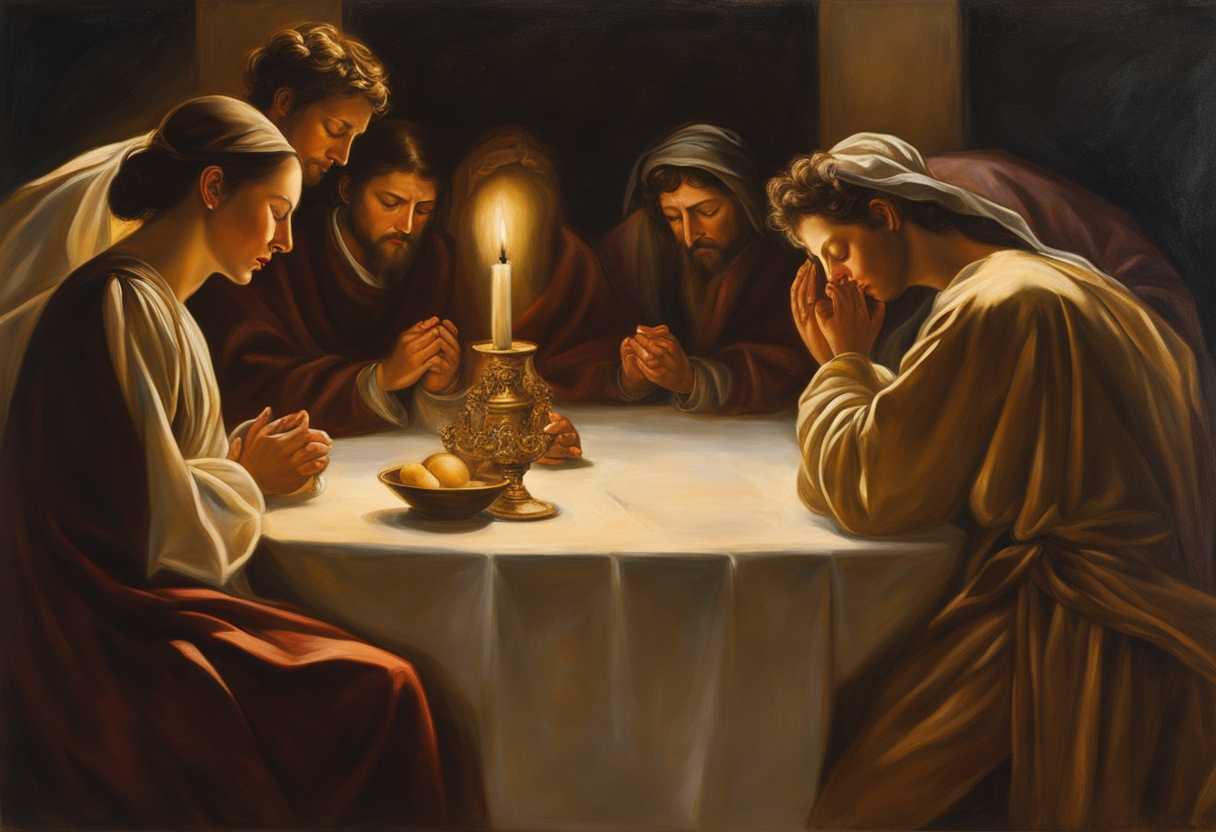
Setting the Scene for Deuteronomy 11:7
In Deuteronomy chapter 11, Moses is addressing the Israelites as they stand on the plains of Moab, preparing to enter the Promised Land. The scene is set against the backdrop of the vast wilderness, with the Jordan River flowing nearby and the mountains of Canaan visible in the distance. The Israelites have been wandering in the desert for forty years, and now they are on the cusp of fulfilling God’s promise to their ancestors.
As Moses speaks to the people, reminding them of God’s faithfulness and the importance of obeying His commandments, the Israelites listen intently. They are a diverse group, made up of men, women, and children from different tribes and backgrounds, all united in their journey towards the land flowing with milk and honey. Some are weary from the long years of wandering, while others are filled with anticipation for what lies ahead.
In this pivotal moment, the Israelites are reminded of the miracles God performed on their behalf, from the plagues in Egypt to the parting of the Red Sea. They are urged to love and serve the Lord with all their hearts, to teach His commandments to their children, and to always remember His mighty deeds. As they stand together on the plains of Moab, the Israelites are filled with a sense of awe and gratitude for the journey they have been on and the promise of a new beginning in the land God has prepared for them.
What is Deuteronomy 11:7 about?
This verse serves as a stark reminder of God’s omnipotence and the consequences of disobeying His commands. It is a powerful message that emphasizes the importance of submitting to God’s authority and following His will. The mention of the rebellious opposing God’s plans highlights the idea that going against God’s teachings will ultimately lead to punishment and judgment. This verse underscores the idea that God is in control and will ultimately hold everyone accountable for their actions. Consider how this verse impacts our own lives. Are we staying true to God’s word and aligning our actions with His teachings, or are we rebelling against His authority? Reflect on the consequences of disobedience and the importance of acknowledging God’s power and sovereignty in our lives. Let this verse be a reminder to seek God’s guidance and remain faithful to His will, avoiding the pitfalls of rebellion and facing the repercussions of our actions.
Understanding what Deuteronomy 11:7 really means
Deuteronomy 11:7 reminds us of the importance of personal experience and witnessing God’s mighty works. The phrase “Your own eyes have seen” underscores the significance of acknowledging and remembering the interventions of God in our lives. It prompts us to reflect on the moments where we have seen His hand at work, reinforcing our faith and trust in Him. This verse serves as a call to remember and appreciate the divine acts that have shaped our journey of faith.
“All the great work of the Lord” highlights the magnitude and divine nature of God’s actions. It is a powerful reminder of His faithfulness and power, urging us to recognize and honor His sovereignty in our lives. Through passages like Exodus 14:31 and Psalm 77:11, we see the recurring theme of witnessing God’s power leading to faith and trust. These verses emphasize the importance of recalling and reflecting on God’s past deeds as a source of encouragement and spiritual growth.
In our modern, fast-paced world, it is easy to overlook the blessings and miracles we have experienced. Deuteronomy 11:7 challenges us to pause, remember, and reflect on God’s work in our lives. Personal testimonies of God’s faithfulness can strengthen our faith and provide hope during challenging times. Just like the Israelites, who saw the mighty hand of the Lord displayed against the Egyptians, our own experiences of God’s intervention can serve as pillars of faith in times of uncertainty.
Consider a person who has faced a severe illness and witnessed a miraculous recovery. Recalling that experience during a new challenge can offer profound strength and a reminder of God’s presence and power. Similarly, communities that have survived collective trials, like natural disasters, can draw on those shared experiences to foster unity and faith in the face of future adversities. These anecdotes illustrate the enduring impact of witnessing God’s work in our lives.
Practically applying the lessons from Deuteronomy 11:7 involves intentional reflection on the moments where we have seen God’s hand at work. Writing down these experiences and revisiting them during times of doubt or difficulty can serve as a source of encouragement and reaffirmation of God’s faithfulness. Sharing our testimonies with others not only strengthens our own faith but also encourages and builds up those around us. Personal testimonies become powerful tools for evangelism and mutual support within a community, fostering a culture of faith and resilience.
By embracing the message of Deuteronomy 11:7 and actively engaging with our personal experiences of God’s work, we can cultivate a deeper and more resilient faith. Let us acknowledge and celebrate God’s ongoing presence and power in our lives, drawing strength from the memories of His past deeds as we navigate the challenges of the present and future.
How can we remember and learn from God’s past actions?
We can remember and learn from God’s past actions by reflecting on the blessings and consequences that He has brought about in our lives. When we see how God has faithfully provided for us, protected us, and disciplined us in the past, we can gain a deeper understanding of His character and His ways. This reflection can strengthen our faith and trust in Him, knowing that He is always with us and working for our good.
Furthermore, remembering and learning from God’s past actions can help us avoid repeating the mistakes of the past. We can gain wisdom and insight into what pleases God and what leads to suffering and hardship by studying the Bible and seeing how He has dealt with His people throughout history. This knowledge can guide our decisions and actions, helping us to align ourselves more closely with God’s will and purpose for our lives. We can deepen our relationship with God, gain wisdom for the present, and be better prepared for the future by remembering and learning from His past actions. Meditating on the ways in which God has worked in the past can help us grow in faith and obedience, enabling us to walk more closely with Him each day.
Application
Think of your life as a bustling office or a busy family household—each moment holds potential. God’s presence is like the Wi-Fi that powers everything around you; you just have to connect. Take a moment today to actively look for signs of His work, whether it’s in a small victory or a comforting reassurance. Share these moments like you would a proud family photo or a job well done. By doing so, you strengthen your own faith and inspire others to tune in too. How will you connect to God’s amazing works today?

Reverend Michael Johnson is an experienced Church Minister with a profound expertise in spirituality and guidance. With a serene presence and a compassionate heart, he has faithfully served his congregation for over 20 years, leading them on a spiritual journey towards inner peace and enlightenment. Reverend Johnson’s extensive knowledge of religious philosophies and profound understanding of human nature have made him a trusted confidant and mentor to many, as he seamlessly weaves his profound wisdom into life teachings. Reverend Johnson’s calming demeanor and empathetic nature continue to uplift and heal souls, nurturing a sense of unity and tranquility within his community.