
Deuteronomy 17:14 is about the guidelines for the Israelites in choosing a king, emphasizing the importance of selecting a leader who is chosen by God and who upholds divine principles.
14 “When you come to the land that the Lord your God is giving you, and you possess it and dwell in it and then say, ‘I will set a king over me, like all the nations that are around me,’”
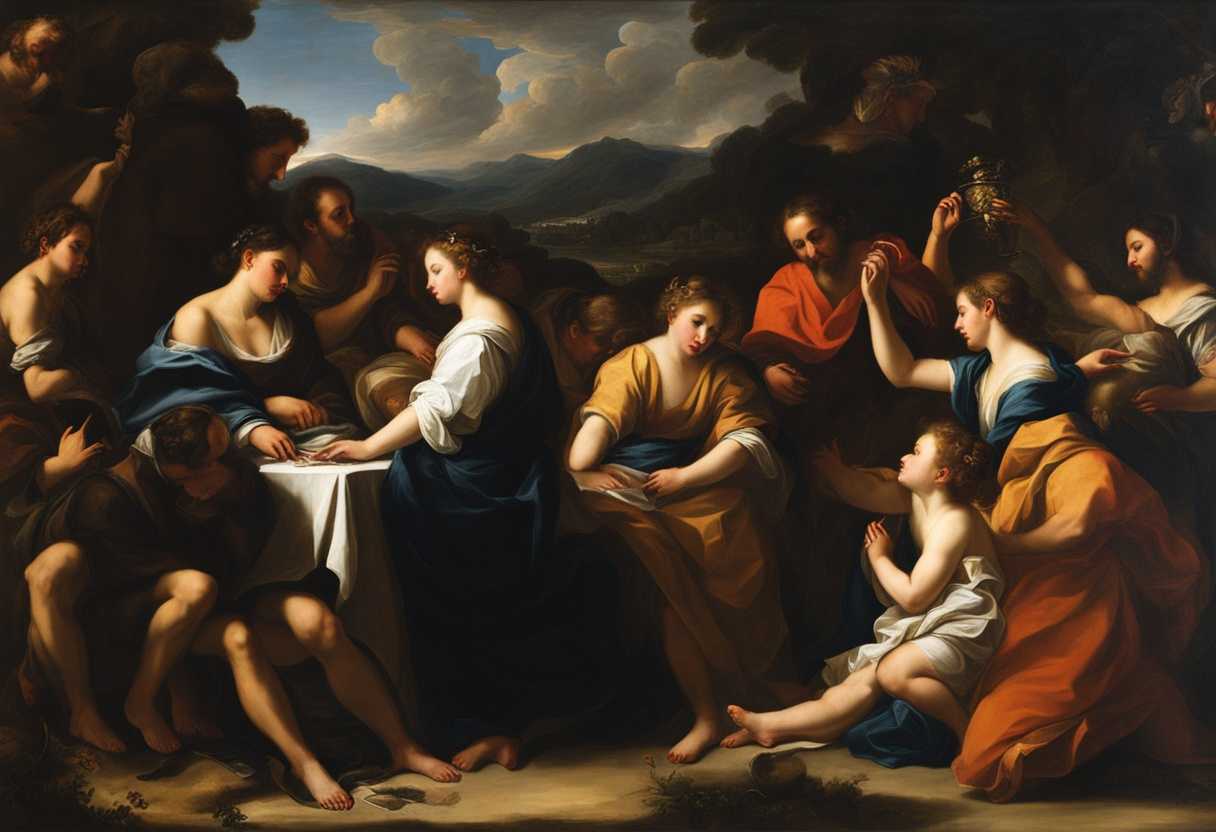
Setting the Scene for Deuteronomy 17:14
In Deuteronomy chapter 17, we find ourselves in the midst of the Israelite camp as they have settled in the plains of Moab, preparing to enter the Promised Land. Moses, the revered leader of the Israelites, is addressing the people gathered before him. The scene is set against the backdrop of the vast desert landscape, with the tabernacle in the background and the sound of the bustling camp filling the air.
Among the crowd are the elders, judges, and officials of the tribes of Israel, who have been summoned by Moses to hear the laws and statutes that the Lord has commanded them to follow. As Moses speaks, his words carry the weight of authority and wisdom, guiding the people on how to govern themselves once they have crossed the Jordan River. The atmosphere is solemn yet expectant, as the Israelites listen intently, knowing that they are on the cusp of a new chapter in their history.
As Moses outlines the principles of justice, the appointment of kings, and the importance of remaining faithful to the Lord, the people nod in agreement, understanding the gravity of the covenant they are about to enter into. The scene is one of unity and reverence, as the Israelites prepare to fulfill their destiny as a chosen nation under the guidance of their God.
What is Deuteronomy 17:14 about?
This verse highlights the importance of seeking guidance and direction from a higher power when making significant decisions, such as appointing a leader. It reminds us of the importance of aligning our choices with divine will by emphasizing the need for a king to be chosen by God.
Imagine the consequences of having a king who is not chosen by God – they may lack the wisdom, integrity, and moral compass needed to lead the people effectively. This verse serves as a reminder that when we submit to the will of God, we are more likely to make choices that are in the best interest of all. It speaks to the idea that leadership should be rooted in faith, humility, and a sense of responsibility towards those being led. Let us reflect on this verse and consider how the qualities we look for in our leaders align with the will of God. It prompts us to ponder if we are seeking divine guidance in our decision-making processes and whether we are open to being vessels for carrying out God’s plan. Let us strive to choose leaders who are not only capable and competent but also connected to a higher purpose beyond themselves.
Understanding what Deuteronomy 17:14 really means
Deuteronomy 17:14 is nestled within the broader context of Moses imparting crucial instructions to the Israelites as they stand on the cusp of entering the Promised Land. This verse specifically delves into the foresight of a monarchy being established in Israel, a system akin to that of neighboring nations, reflecting the human inclination to conform to societal norms and seek centralized human authority.
The phrase “When you come to the land that the Lord your God is giving you” underscores the divine gift of the Promised Land, underscoring God’s unwavering provision and faithfulness to His people. As the Israelites are instructed to possess and dwell in the land, it signifies a shift from a nomadic existence to a settled community lifestyle, emphasizing stability and permanence.
In related biblical passages like 1 Samuel 8:5-7 and Judges 8:23, we witness the tension between human desires for earthly kingship and the acknowledgment of God as the ultimate ruler. These narratives serve as poignant reminders of the consequences of prioritizing human leadership over divine sovereignty. Similarly, Romans 12:2 exhorts believers to resist conformity to worldly standards and instead be transformed by the renewal of their minds.
The relevance of seeking a king “like all the nations” resonates with contemporary struggles against societal pressures and the allure of conformity. It prompts introspection on the sources of authority in our lives—whether we prioritize human approval or submit to God’s divine guidance and sovereignty.
Consider a scenario where a young professional faces the dilemma of conforming to societal expectations in their career and lifestyle choices, potentially compromising their values for material success. This anecdote illustrates the modern-day challenges of prioritizing wealth and status over integrity and fidelity to God, highlighting the importance of seeking God’s will above societal norms.
Reflect on areas of your life where external influences may be vying for precedence over God’s authority. Evaluate how you can align your decisions with God’s will, trusting in His perfect plans for your life. Through prayer, seek the wisdom and courage to resist societal pressures, embracing God’s unique path for you, and finding solace in His unwavering guidance and provision.
What does it mean to place trust in rulers?
Placing trust in rulers, as mentioned in Deuteronomy 17:14, means having faith in the appointed leaders and obeying their guidance and decisions. The verse emphasizes the importance of accepting the authority placed over the people by God and following their instructions. Trusting rulers involves acknowledging their role in maintaining order, upholding justice, and leading the community in accordance with divine principles and laws. Individuals demonstrate their respect for the leadership structure and show a willingness to be governed by those appointed to lead by placing trust in rulers. This trust is a crucial aspect of community cohesion and stability, as it fosters unity and a sense of shared purpose among the people. Furthermore, by relying on the leadership of rulers who rule in accordance with God’s will, individuals can be assured that they are following a path that aligns with divine guidance and promotes righteousness and justice in society.
Application
Harness the wisdom of Deuteronomy 17:14. Seek divine guidance in every choice you make. Let God’s light illuminate your path in the maze of life’s decisions. Trust His hand to lead you safely through the storms of uncertainty. Will you choose to invite His guidance into your daily journey?

Reverend Michael Johnson is an experienced Church Minister with a profound expertise in spirituality and guidance. With a serene presence and a compassionate heart, he has faithfully served his congregation for over 20 years, leading them on a spiritual journey towards inner peace and enlightenment. Reverend Johnson’s extensive knowledge of religious philosophies and profound understanding of human nature have made him a trusted confidant and mentor to many, as he seamlessly weaves his profound wisdom into life teachings. Reverend Johnson’s calming demeanor and empathetic nature continue to uplift and heal souls, nurturing a sense of unity and tranquility within his community.