
Deuteronomy 18:11-12 is about warning against engaging in occult practices, such as divination, sorcery, interpreting omens, witchcraft, casting spells, and consulting with mediums, as they are detestable to the Lord.
11 or a charmer or a medium or a necromancer or one who inquires of the dead,
12 For whoever does these things is an abomination to the Lord. And because of these abominations the Lord your God is driving them out before you.
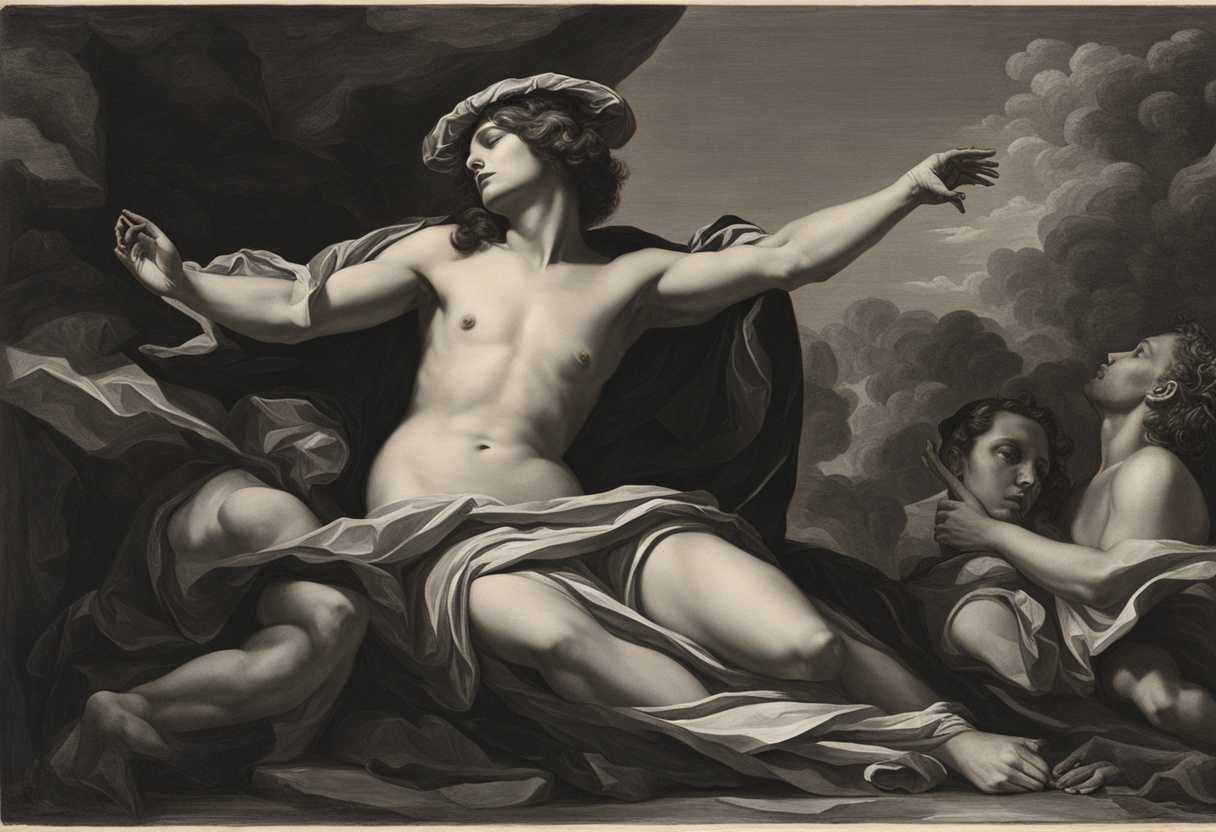
Setting the Scene for Deuteronomy 18:11-12
In Deuteronomy chapter 18, Moses is addressing the Israelites as they are encamped at the foot of Mount Sinai. The scene is set in the vast desert, with the majestic mountain looming in the background. The Israelites have been wandering in the wilderness for years, following their miraculous deliverance from Egypt. As they gather around Moses, he imparts to them the laws and commandments that God has given him for the people.
Among the crowd are the priests, Levites, and leaders of the tribes, all eager to hear Moses’ words and receive guidance from the Lord. The atmosphere is charged with reverence and anticipation as Moses warns the people against engaging in the detestable practices of the nations around them. He specifically mentions sorcery, divination, interpreting omens, witchcraft, casting spells, and consulting with the dead as abominations in the sight of God.
The Israelites listen intently, understanding the seriousness of following God’s laws and avoiding the temptations of the pagan practices that surround them. As they continue their journey towards the Promised Land, they are reminded of the importance of staying faithful to the Lord and trusting in His guidance alone.
What is Deuteronomy 18:11-12 about?
This verse is a strong statement against engaging in practices like divination, sorcery, interpreting omens, or consulting mediums. These practices involve seeking supernatural knowledge or power from sources other than God, which goes against the teachings of many religions, including Christianity. It emphasizes the seriousness of avoiding these practices by explicitly stating that they are detestable to the Lord.
Think about it – why would seeking guidance from anything other than God be detestable? These actions can lead people away from their faith and into dangerous territories where deceit and falsehoods can take hold. The verse encourages believers to place their trust in God alone and to seek guidance through prayer, scripture, and the wisdom of spiritual leaders by prohibiting these practices. It serves as a reminder to stay grounded in one’s faith and not to be swayed by the allure of supernatural powers or forbidden knowledge. This verse ultimately calls us to remain steadfast in our beliefs and to trust in the wisdom and guidance of God. Believers can cultivate a deeper connection to their faith and avoid potential harm that may come from engaging with dark forces by avoiding practices that seek knowledge through supernatural means. It serves as a reminder of the importance of staying true to one’s beliefs and relying on the goodness and truth of the divine rather than turning to questionable practices for guidance.
Understanding what Deuteronomy 18:11-12 really means
Deuteronomy 18:11-12, nestled within the Torah, serves as a poignant reminder to the Israelites, and by extension to us today, about the importance of steering clear of practices that seek to manipulate spiritual forces or communicate with the dead. These verses, part of Moses’ instructions to the Israelites as they prepared to enter the Promised Land, highlight the gravity of engaging in activities that are not just frowned upon but are considered abominations in the eyes of God. The phrases “one who casts spells” and “a medium or spiritist” are clear warnings against seeking supernatural guidance outside of God’s ordained ways.
In a world where the allure of quick fixes and easy answers often leads people to dabble in occult practices, these verses resonate with a timeless truth – our reliance should be on God alone. The rise of New Age spirituality and various forms of divination in contemporary culture underscores the relevance of this warning, urging us to pause and reflect on where we seek guidance and solace. The caution against turning to mediums or spiritists is not a mere relic of ancient times but a timeless principle that calls us to anchor our trust in the Almighty rather than in fleeting, deceptive sources.
Consider a scenario where an individual, grappling with life’s uncertainties, seeks solace in the counsel of a psychic. Initially providing a semblance of clarity, these sessions gradually ensnare the person in a cycle of dependence, leading to confusion and anxiety. This anecdote serves as a poignant illustration of how straying into forbidden spiritual territories can veer us off course from the peace and direction that stem from trusting in God’s providence. It underscores the importance of heeding the biblical admonition against practices that are detestable to the Lord.
As we ponder on Deuteronomy 18:11-12, we are prompted to evaluate our sources of guidance and comfort. Are we turning to God in prayer and seeking wisdom from His Word, or are we seeking answers in places that God has explicitly warned us against? The phrase “detestable to the Lord” challenges us to contemplate what it means to lead a life that is pleasing to God. It beckons us to align our actions and choices with His will, steering clear of practices that compromise our relationship with Him. By adhering to these principles, we honor God’s sovereignty and nurture a pure, unblemished connection with Him.
In conclusion, Deuteronomy 18:11-12 underscores the paramount importance of placing our complete trust and reliance on God. By shunning practices that are detestable to Him, we demonstrate our reverence for His holiness and uphold a relationship characterized by purity and obedience. Let us heed the timeless wisdom encapsulated in these verses, steering clear of spiritual pitfalls and anchoring ourselves firmly in the unwavering faithfulness of our Heavenly Father.
How can we guard against all forms of witchcraft?
We can guard against all forms of witchcraft by avoiding any involvement in practices that may seem to offer supernatural powers or guidance outside of God. It is important to stay faithful to God and trust in His power and providence, rather than seeking assistance from sources that are not aligned with His will. We can protect ourselves from the influences of witchcraft by focusing on prayer, studying and following God’s word, and surrounding ourselves with a community of believers.
Additionally, it is crucial to be discerning and cautious about the activities and influences we allow into our lives. We can avoid being led astray by deceptive practices associated with witchcraft by being vigilant and discerning about the sources of information, guidance, and influence we engage with. We should always seek truth, wisdom, and guidance from God and His word, rather than turning to forbidden or deceptive sources for answers or power.
Application
Let’s steer clear of anything related to the occult, like divination and sorcery. Instead, let’s fill our hearts with prayer and wisdom from the Scriptures. With the Holy Spirit as our guide, we can navigate every choice with clarity and purpose. Will you join me in embracing God’s will and turning away from all things dark and mystic?

Reverend Michael Johnson is an experienced Church Minister with a profound expertise in spirituality and guidance. With a serene presence and a compassionate heart, he has faithfully served his congregation for over 20 years, leading them on a spiritual journey towards inner peace and enlightenment. Reverend Johnson’s extensive knowledge of religious philosophies and profound understanding of human nature have made him a trusted confidant and mentor to many, as he seamlessly weaves his profound wisdom into life teachings. Reverend Johnson’s calming demeanor and empathetic nature continue to uplift and heal souls, nurturing a sense of unity and tranquility within his community.