
Deuteronomy 1:17 is about the importance of impartiality and justice in judgment, emphasizing that decisions should be made without showing favoritism or being swayed by bribes.
17 You shall not be partial in judgment. You shall hear the small and the great alike. You shall not be intimidated by anyone, for the judgment is God’s. And the case that is too hard for you, you shall bring to me, and I will hear it.
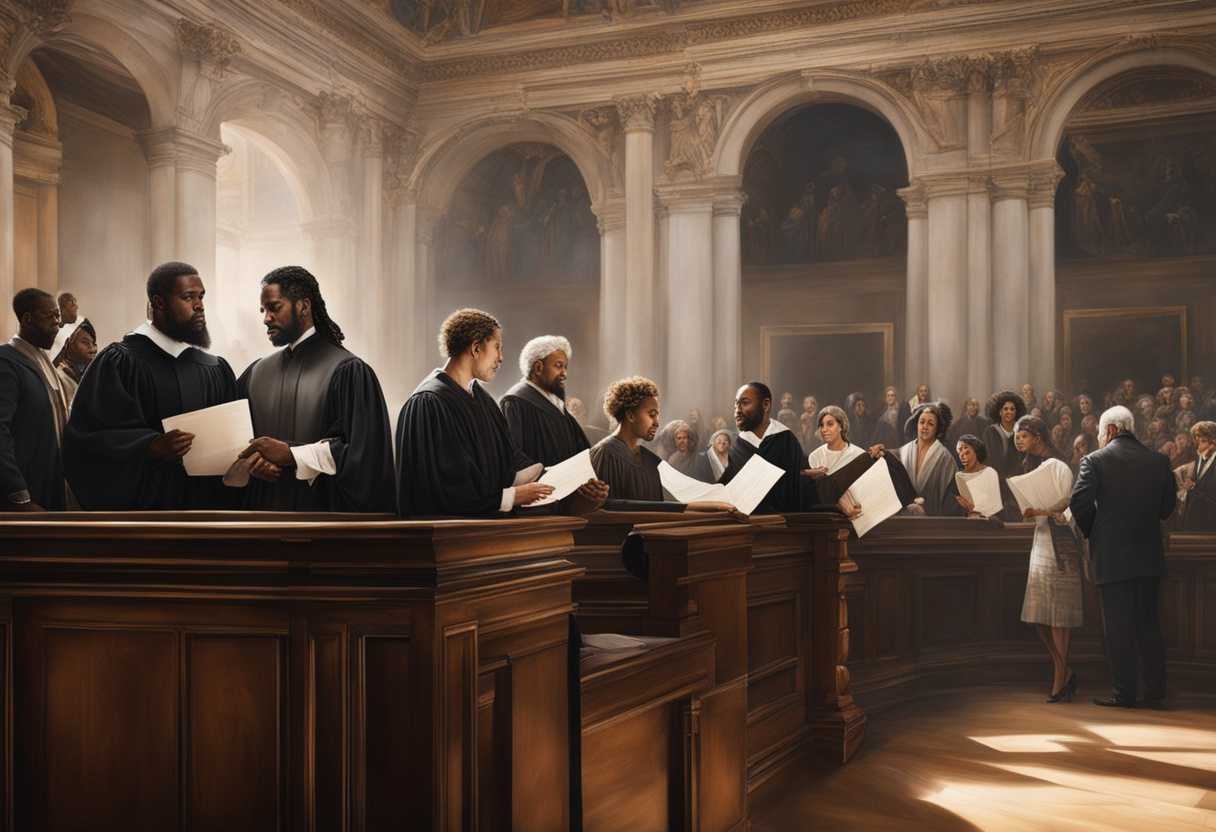
Setting the Scene for Deuteronomy 1:17
In Deuteronomy chapter 1, Moses is addressing the Israelites as they stand at the edge of the Promised Land, just before they are set to enter and possess it. The scene is set in the vast wilderness of the desert, with the scorching sun beating down on the group of weary travelers. The Israelites have been wandering in the wilderness for forty years, a journey that should have taken them only a few weeks.
Among the crowd are Moses, the humble and faithful leader chosen by God to guide the Israelites, and Aaron, his brother and the high priest. The people are restless and anxious, eager to finally reach the land flowing with milk and honey that God had promised them. As they gather around Moses, he imparts wisdom and guidance, reminding them of the importance of upholding justice and righteousness as they establish themselves in the new land.
The atmosphere is tense yet hopeful, as the Israelites prepare to face the challenges that lie ahead. Moses, with his weathered face and flowing beard, stands tall before the people, his voice resonating with authority as he implores them to follow God’s commandments and to appoint wise and understanding leaders among themselves. The scene is a pivotal moment in the Israelites’ journey, as they stand on the cusp of fulfilling God’s promise to their ancestors.
What is Deuteronomy 1:17 about?
This verse is a reminder to approach judgment and decision-making with fairness and without bias. Whether the individuals involved are of high or low status, size, or importance, the guidance here is to treat them equally and give each person a fair chance to be heard. This principle emphasizes the importance of justice and equality in our actions and interactions with others. Showing partiality in judgment can lead to unfair treatment, misunderstandings, and conflict. We encourage ourselves to listen to all perspectives, consider all relevant factors, and make informed, impartial decisions by hearing both small and great alike. This verse challenges us to examine our own biases and strive towards being fair, just, and equitable in all our dealings with others. How can we ensure that our judgments are not swayed by external factors like status or appearance? How can we cultivate a mindset of fairness and impartiality in our daily lives? Let us reflect on this verse and strive to embody its message in our interactions with others.
Understanding what Deuteronomy 1:17 really means
In the book of Deuteronomy, we find Moses delivering his final speeches to the Israelites as they stand on the cusp of entering the Promised Land. Amidst his exhortations and instructions, Moses emphasizes the crucial importance of justice and impartiality in leadership. The verse in Deuteronomy 1:17 serves as a poignant reminder for all leaders, both then and now, to uphold these principles in their roles of authority.
“Do not show partiality in judging,” the verse declares, underscoring the fundamental tenet of fairness and equality in rendering judgments. This commandment challenges leaders to set aside personal biases and treat all individuals with equity and justice. Furthermore, the directive to “hear both small and great alike” reinforces the idea that every voice deserves to be heard, regardless of social status or influence. It compels leaders to listen attentively to the concerns of all, ensuring that justice is meted out without prejudice.
The admonition to “not be afraid of anyone” is a call to courage in leadership, urging individuals in positions of authority to make decisions based on righteousness rather than fear of repercussions. By emphasizing that “judgment belongs to God,” the verse reminds leaders that their role is to act as instruments of divine justice, guided by principles higher than human inclinations.
Drawing parallels from other biblical passages, such as James 2:1-4, Proverbs 24:23, and Acts 10:34-35, we see a consistent theme condemning favoritism and partiality. These verses echo the sentiment that God’s justice is impartial and that individuals should emulate this divine attribute in their interactions with others.
The relevance of this message extends beyond ancient times, resonating with the challenges of modern society. Whether in legal systems, workplaces, or personal relationships, the call for fairness and justice remains paramount. Leaders and individuals alike are encouraged to act with integrity, standing firm in their convictions and upholding principles of equity without succumbing to external pressures.
Consider a scenario in a workplace where a manager must decide on promotions. If the manager shows partiality, it can breed resentment and create a toxic environment. Conversely, fair judgment based on merit fosters a culture of trust and respect among employees. This narrative mirrors the biblical injunction for impartiality and justice in all spheres of life.
In conclusion, Deuteronomy 1:17 serves as a timeless reminder for leaders to embody fairness, courage, and a recognition of divine justice in their actions. It challenges each individual to reflect on their own conduct and strive for impartiality in their judgments and decisions, thereby fostering a more just and equitable society for all.
How can we ensure impartiality and justice in leadership?
Impartiality and justice in leadership can be ensured by not showing partiality or taking bribes. Leaders should judge their people fairly and with integrity, without being influenced by personal biases or external factors. Leaders can ensure that justice is administered equitably and that decisions are made based on truth and merit rather than favoritism or corruption by upholding the principles of equality and righteousness.
Leaders must prioritize fairness and justice in all their actions and decisions, treating all individuals equally regardless of their background or status. It is essential for leaders to uphold the principles of impartiality and justice to maintain the trust and confidence of the people they lead. They can create a sense of unity and harmony within their community or organization by demonstrating integrity and honesty in their leadership approach.
Application
Think of your life as a balancing act, juggling work commitments, family responsibilities, and personal aspirations. Deuteronomy 1:17 calls you to keep the scales balanced by being fair and just in every decision, unmoved by bias or bribes. Imagine your actions as threads weaving a tapestry of integrity that your loved ones will admire. So ask yourself, in the chaos of daily life, how will you ensure your integrity shines through every choice you make?

Reverend Michael Johnson is an experienced Church Minister with a profound expertise in spirituality and guidance. With a serene presence and a compassionate heart, he has faithfully served his congregation for over 20 years, leading them on a spiritual journey towards inner peace and enlightenment. Reverend Johnson’s extensive knowledge of religious philosophies and profound understanding of human nature have made him a trusted confidant and mentor to many, as he seamlessly weaves his profound wisdom into life teachings. Reverend Johnson’s calming demeanor and empathetic nature continue to uplift and heal souls, nurturing a sense of unity and tranquility within his community.