
Deuteronomy 22:10 is about the importance of maintaining distinctions and boundaries between different aspects of creation as ordained by God.
10 You shall not plow with an ox and a donkey together.
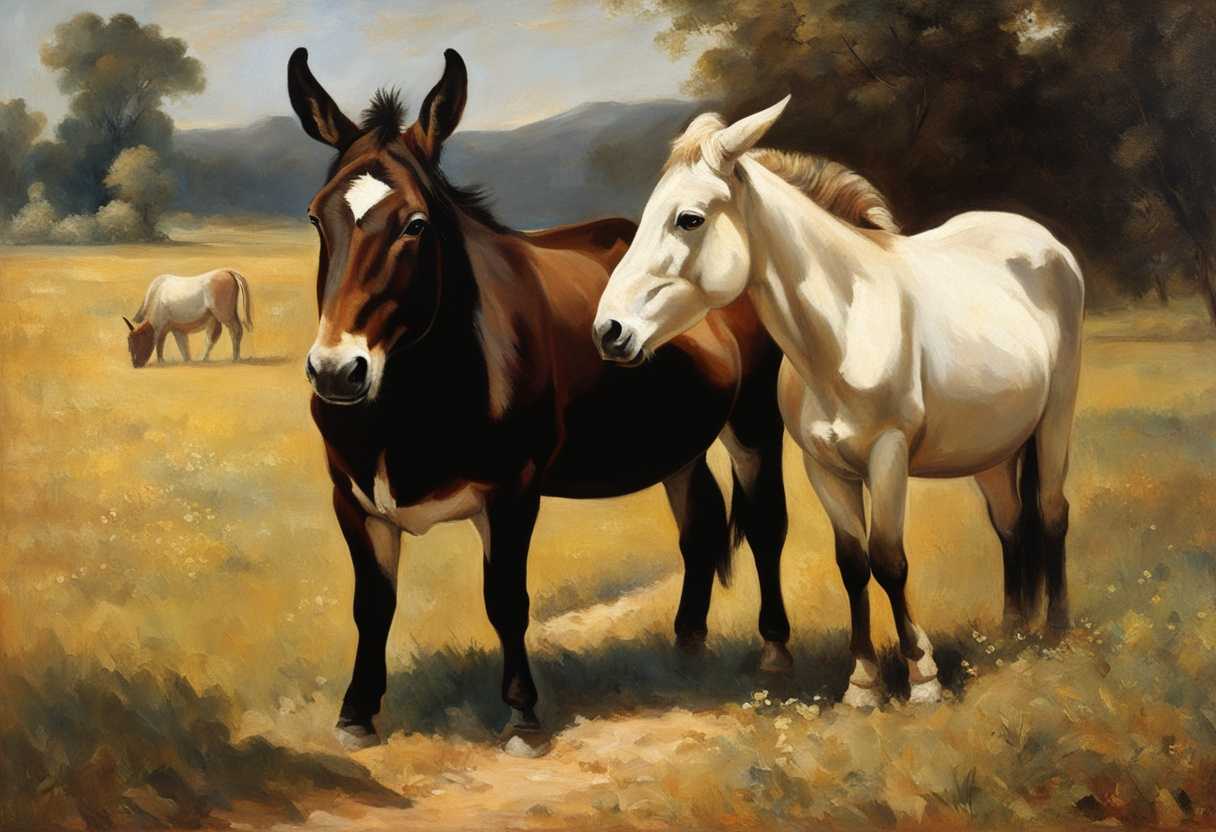
Setting the Scene for Deuteronomy 22:10
In Deuteronomy chapter 22, we find the Israelites encamped at the foot of Mount Sinai, where Moses is delivering the laws and commandments that God has given to him for the people. The scene is bustling with activity as the Israelites have gathered to hear the words of their leader and receive guidance on how to live according to God’s will. The air is filled with anticipation and reverence as the people listen intently to the instructions being imparted to them.
Among the crowd are men, women, and children of all ages, eager to learn and understand the laws that will govern their lives. The elders of the tribes are seated at the front, their faces reflecting wisdom and experience as they absorb the teachings being shared with them. The younger generation stands behind them, their eyes wide with curiosity and wonder at the significance of this moment.
As Moses continues to speak, the people are reminded of the importance of following God’s commandments in all aspects of their lives, including how they treat their animals. The specific reference in Deuteronomy 22:10 addresses the prohibition against plowing with an ox and a donkey yoked together, emphasizing the principle of not mixing different kinds. This scene serves as a pivotal moment in the history of the Israelites, as they are being instructed on how to live in harmony with God’s laws and with each other.
What is Deuteronomy 22:10 about?
This verse from the book of Deuteronomy emphasizes the importance of not mixing two different kinds of animals when plowing fields. Using two different animals to plow together in ancient agricultural practices would have been detrimental and ineffective due to their differences in strength, speed, and behavior. The ox, known for its strength and ability to work steadily, would have been distracted and frustrated by the donkey, which is typically slower and less powerful. This mismatched pairing would result in uneven and inefficient plowing, making the task more challenging and less productive.
Metaphorically, this verse can be interpreted as a lesson in the importance of unity, harmony, and compatibility in our partnerships and relationships. Individuals with differing values, goals, or temperaments may find it challenging to collaborate successfully, just as mismatched animals would struggle to work together effectively. By heeding this biblical advice, we remind ourselves to carefully consider the dynamics of our interactions and collaborations, ensuring that we surround ourselves with like-minded individuals who share our values and visions. This verse serves as a timeless reminder to seek harmony and compatibility in all our endeavors, fostering cooperation and synergy for greater success and fulfillment.
Understanding what Deuteronomy 22:10 really means
Deuteronomy 22:10 presents a seemingly straightforward agricultural instruction: “Do not plow with an ox and a donkey yoked together.” This directive, rooted in practicality, serves as a guideline for efficient farming practices. However, beyond its literal interpretation, this verse carries symbolic weight, emphasizing the significance of harmony and balance in partnerships and relationships. Just as mismatched animals would struggle to work together effectively, individuals in partnerships or relationships must seek alignment in values and goals to ensure mutual understanding and productivity.
In the broader context of the Bible, this principle of not being unequally yoked finds resonance in other passages. 2 Corinthians 6:14 warns against being yoked with unbelievers, highlighting the importance of spiritual and moral compatibility in relationships. Similarly, Leviticus 19:19 underscores the need to maintain purity and distinctiveness in various aspects of life, including relationships and practices. These passages collectively emphasize the value of seeking harmony and shared values in all interactions, echoing the sentiment of Deuteronomy 22:10.
The relevance of this principle extends beyond ancient agricultural practices to contemporary life. Whether in business partnerships, friendships, or marriages, the concept of being equally yoked remains pertinent. Individuals are encouraged to seek alignment in values and principles to foster healthy, productive relationships. Consider a scenario where ethical misalignment exists in a business partnership; the discord arising from conflicting values can lead to stress, conflict, and ultimately, the downfall of the venture. This anecdote underscores the practical implications of being “equally yoked” in shared values and principles.
The imagery of an ox and a donkey yoked together serves as a metaphor for human relationships. Just as these animals differ in strengths, sizes, and temperaments, individuals may possess varying core values and beliefs. Such disparities can hinder effective teamwork and lead to discord. Therefore, the verse emphasizes the importance of selecting partners who align in values and goals to ensure a harmonious and productive relationship. By understanding and applying the principles encapsulated in Deuteronomy 22:10, individuals can strive for balanced and harmonious relationships, fostering mutual understanding and cooperation in both personal and professional spheres.
How can we show kindness to all living creatures?
Showing kindness to all living creatures can be demonstrated by respecting their natural behaviors and needs. We can ensure that we do not disrupt the well-being of animals by understanding the different ways in which they communicate and interact with their environment. Providing care, such as shelter, food, and water, can also be a way to show kindness to all living creatures.
Being mindful of the impact our actions have on animals is another important aspect of demonstrating kindness. This includes avoiding harm or unnecessary suffering, whether it be through physical mistreatment, destruction of habitats, or overexploitation of resources. Respecting the inherent value of all living creatures and acknowledging their place in the natural world can guide us in showing kindness towards them in our thoughts and actions.
Application
Think about the balance in your work life and family. Deuteronomy 22:10 tells us not to mix different kinds of animals, pointing to a deeper order and purpose. Respect the boundaries God sets—for your tasks, relationships, and choices. God designed everything with intention. Will you honor His design and bring harmony into every part of your life?

Reverend Michael Johnson is an experienced Church Minister with a profound expertise in spirituality and guidance. With a serene presence and a compassionate heart, he has faithfully served his congregation for over 20 years, leading them on a spiritual journey towards inner peace and enlightenment. Reverend Johnson’s extensive knowledge of religious philosophies and profound understanding of human nature have made him a trusted confidant and mentor to many, as he seamlessly weaves his profound wisdom into life teachings. Reverend Johnson’s calming demeanor and empathetic nature continue to uplift and heal souls, nurturing a sense of unity and tranquility within his community.