
Deuteronomy 25:1 is about the principle of ensuring fair and just consequences for wrongdoings, emphasizing that punishments should be proportionate to the offense committed.
1 “If there is a dispute between men and they come into court and the judges decide between them, acquitting the innocent and condemning the guilty,”
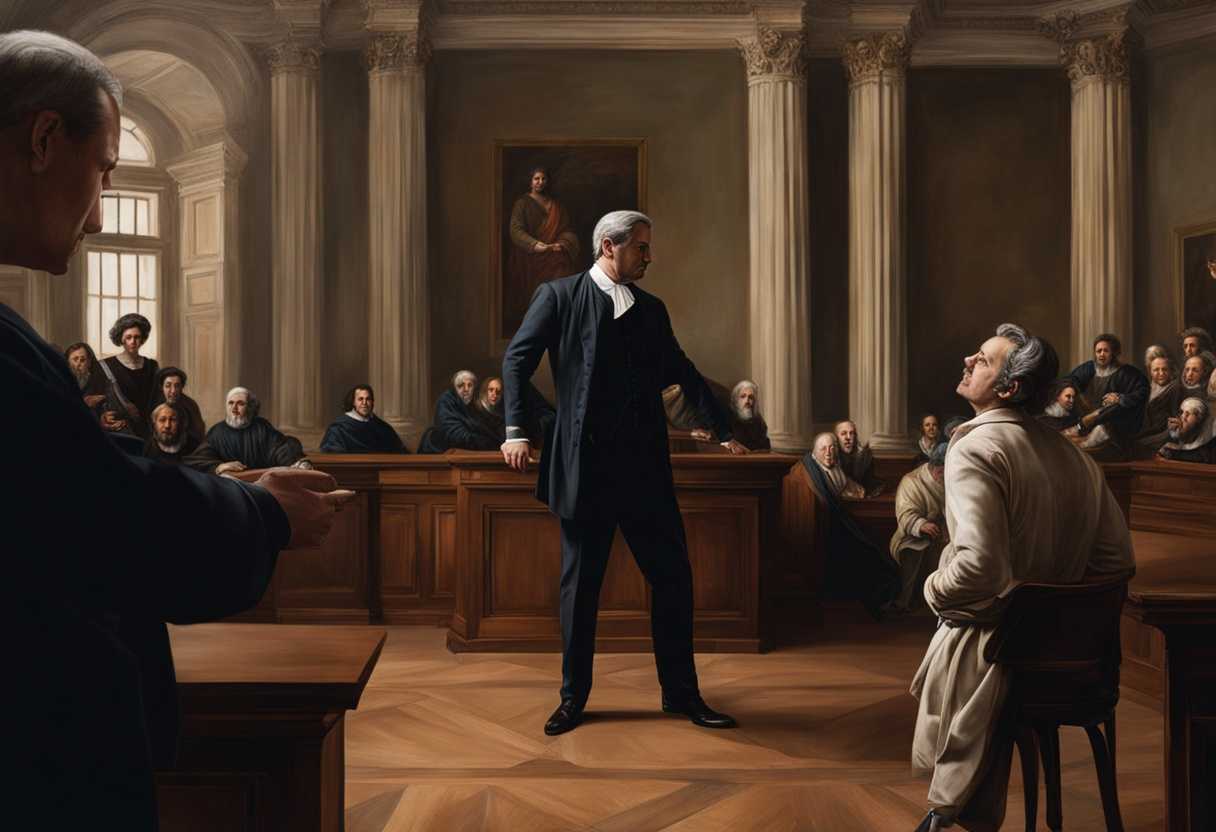
Setting the Scene for Deuteronomy 25:1
The scene in Deuteronomy 25:1 takes place at the gate of the city, where the elders of the community would gather to administer justice and settle disputes. The elders were respected leaders chosen for their wisdom and fairness in resolving conflicts among the people. In this particular instance, two men are involved in a dispute that requires the intervention of the elders.
The first man, let’s call him Jacob, is seeking justice for an injustice he believes has been done to him. The second man, named Joseph, is the one accused of wronging Jacob. Jacob claims that Joseph has wronged him in a business deal, and he is seeking restitution for the perceived injustice. Both men have come to the city gate to present their case before the elders and seek a resolution according to the laws and customs of the community.
The city gate is a bustling place, with merchants selling their wares, travelers coming and going, and locals engaging in conversation. The elders sit in a circle, ready to listen to the case presented before them and make a judgment based on the evidence and testimony provided. The scene is filled with tension as Jacob and Joseph stand before the elders, each pleading their case in the hopes of receiving a fair and just outcome.
What is Deuteronomy 25:1 about?
Deuteronomy 25:1 reminds us of the importance of fair and just punishment. The verse suggests that when administering punishment for wrongdoing, it should be proportionate and not excessive. This principle emphasizes the notion of justice that is rooted in balance and equity. It prompts us to consider the concept of retribution and the idea that punishment should fit the crime, rather than being overly harsh. We, as educators and individuals dedicated to fostering a just and equitable society, must unpack the significance of this verse. We can question our own practices and systems by reflecting on the principle of fair punishment. Are our disciplinary actions fair and proportionate? Do we consider the individual circumstances and factors at play before administering consequences? Through this reflection, we can strive to create an environment where justice is served with compassion and understanding. Deuteronomy 25:1 ultimately challenges us to uphold the values of fairness and moderation in our approach to discipline and justice. We can contribute to a more just and compassionate society where punishment is administered with wisdom and empathy by heeding this wisdom.
Understanding what Deuteronomy 25:1 really means
Deuteronomy, the fifth book of the Torah and the Old Testament, is often known as the “Second Law” for its reiteration and expansion of laws from previous books. Within this context, Deuteronomy 25:1 is situated in a section dedicated to laws and regulations aimed at fostering justice and righteousness among the Israelites. The verse opens with the phrase “If there is a dispute between men,” acknowledging the inevitability of conflicts in human interactions and setting the stage for a legal process to resolve such disputes. This highlights the importance of structured legal systems in addressing disagreements and maintaining order within society.
As the verse continues, the mention of individuals coming “into court” emphasizes the formal nature of the judicial process, underlining the significance of a fair and impartial legal system in settling disputes. The subsequent phrase, “The judges decide between them,” underscores the role of judges as impartial arbiters responsible for discerning the truth and administering justice. Moreover, the verse stresses the fundamental principle of justice by highlighting the judges’ duty to “acquit the innocent and condemn the guilty,” emphasizing the importance of protecting the innocent and holding the guilty accountable.
In exploring related biblical passages, Exodus 23:7 reinforces the importance of justice and protecting the innocent, while Proverbs 17:15 condemns perverting justice as detestable to God. Isaiah 1:17 further calls for active pursuit of justice and care for the vulnerable, echoing the themes of righteousness and fairness present in Deuteronomy 25:1. These passages collectively emphasize the enduring significance of justice and the moral imperative to uphold fairness in society.
The relevance of Deuteronomy 25:1 extends to contemporary society, where injustices and corruption can challenge the fabric of communities. This verse serves as a timeless reminder of the necessity of a fair legal system and encourages individuals to seek truth and justice in their personal lives and communities. By promoting righteousness and fairness, this verse advocates for a society where justice prevails and individuals are held accountable for their actions.
Illustrating the principles of Deuteronomy 25:1 in a real-life scenario, imagine a small-town community torn apart by a false accusation against a local business owner. Through a fair judicial process, the truth is unveiled, leading to the acquittal of the innocent individual. This anecdote showcases the importance of due process and the pivotal role of judges in upholding justice, ultimately restoring faith in the legal system and reinforcing the community’s commitment to fairness.
In conclusion, Deuteronomy 25:1 stands as a poignant reminder of the significance of justice and the necessity of a fair judicial system. It calls upon individuals to uphold these values in their lives and communities, ensuring the protection of the innocent and the accountability of the guilty. By embodying the principles of righteousness and fairness, we contribute to a society where justice thrives and integrity prevails.
What do justice and fairness look like in society?
Establishing clear laws and regulations that are applied equally to all individuals regardless of their social status or background entails justice and fairness in society. The equitable administration of justice ensures that wrongdoers are held accountable for their actions while also safeguarding the rights and well-being of the innocent. Fairness demands that decisions are made impartially, without favoritism or discrimination, to uphold the principles of justice for all members of society. Societal institutions reflect justice and fairness by ensuring that everyone has equal access to opportunities and resources. This includes fair treatment in legal proceedings, employment practices, and the distribution of societal benefits. Upholding these principles fosters a sense of trust and cohesion within the community, promoting a harmonious and equitable society where all individuals can thrive and contribute positively to the collective welfare.
Application
Embrace the wisdom of Deuteronomy 25:1 and embody justice in your daily pursuits. Stand firm for what is right, radiate kindness and empathy, and hold high the banner of integrity in all that you do. Let these values not be mere words but be the guiding force shaping your interactions at work and home. How will you champion justice and fairness in your sphere of influence and leave a lasting impact on those around you?

Reverend Michael Johnson is an experienced Church Minister with a profound expertise in spirituality and guidance. With a serene presence and a compassionate heart, he has faithfully served his congregation for over 20 years, leading them on a spiritual journey towards inner peace and enlightenment. Reverend Johnson’s extensive knowledge of religious philosophies and profound understanding of human nature have made him a trusted confidant and mentor to many, as he seamlessly weaves his profound wisdom into life teachings. Reverend Johnson’s calming demeanor and empathetic nature continue to uplift and heal souls, nurturing a sense of unity and tranquility within his community.