
1 So Moses continued to speak these words to all Israel.
2 And he said to them, “I am 120 years old today. I am no longer able to go out and come in. The Lord has said to me, ‘You shall not go over this Jordan.’
3 It is the Lord your God who will go before you. He will be with you; he will not leave you or forsake you. Do not fear or be dismayed.
4 And the Lord will do to them as he did to Sihon and Og, the kings of the Amorites, and to their land, when he destroyed them.
5 And the Lord will give them over to you, and you shall do to them according to the whole commandment that I have commanded you.
6 Be strong and courageous. Do not fear or be in dread of them, for it is the Lord your God who goes with you. He will not leave you or forsake you.
7 Then Moses summoned Joshua and said to him in the sight of all Israel, “Be strong and courageous, for you shall go with this people into the land that the Lord has sworn to their fathers to give them, and you shall put them in possession of it.
8 It is the Lord who goes before you. He will be with you; he will not leave you or forsake you. Do not fear or be dismayed.
9 Then Moses wrote this law and gave it to the priests, the sons of Levi, who carried the ark of the covenant of the Lord, and to all the elders of Israel.
10 And Moses commanded them, “At the end of every seven years, at the set time in the year of release, at the Feast of Booths,
11 when all Israel comes to appear before the Lord your God at the place that he will choose, you shall read this law before all Israel in their hearing.
12 Assemble the people, men, women, and little ones, and the sojourner within your towns, that they may hear and learn to fear the Lord your God, and be careful to do all the words of this law,
13 and that their children, who have not known it, may hear and learn to fear the Lord your God, as long as you live in the land that you are going over the Jordan to possess.”
14 And the Lord said to Moses, “Behold, the days approach when you must die. Call Joshua and present yourselves in the tent of meeting, that I may commission him.” And Moses and Joshua went and presented themselves in the tent of meeting.
15 Then the Lord appeared at the tent in a pillar of cloud. And the cloud stood over the entrance of the tent.
16 And the Lord said to Moses, “Behold, you are about to lie down with your fathers. Then this people will rise and whore after the foreign gods among them in the land that they are entering, and they will forsake me and break my covenant that I have made with them.
17 Then my anger will be kindled against them in that day, and I will forsake them and hide my face from them, and they will be devoured. And many evils and troubles will come upon them, so that they will say in that day, ‘Have not these evils come upon us because our God is not among us?’
18 And I will surely hide my face in that day because of all the evil that they have done, because they have turned to other gods.
19 “Now therefore write this song and teach it to the people of Israel. Put it in their mouths, that this song may be a witness for me against the people of Israel.
20 For when I have brought them into the land flowing with milk and honey, which I swore to give to their fathers, and they have eaten and are full and grown fat, they will turn to other gods and serve them, and despise me and break my covenant.
21 And when many evils and troubles have come upon them, this song shall confront them as a witness (for it will live unforgotten in the mouths of their offspring). For I know what they are inclined to do even today, before I have brought them into the land that I swore to give.
22 So Moses wrote this song the same day and taught it to the people of Israel.
23 And the Lord commissioned Joshua the son of Nun and said, “Be strong and courageous, for you shall bring the people of Israel into the land that I swore to give them. I will be with you.”
24 When Moses had finished writing the words of this law in a book to the very end,
25 that Moses commanded the Levites who carried the ark of the covenant of the Lord,
26 “Take this Book of the Law and put it by the side of the ark of the covenant of the Lord your God, that it may be there for a witness against you.
27 For I know how rebellious and stubborn you are. Behold, even today while I am yet alive with you, you have been rebellious against the Lord.
28 Assemble to me all the elders of your tribes and your officers, that I may speak these words in their ears and call heaven and earth to witness against them.
29 For I know that after my death you will surely act corruptly and turn aside from the way that I have commanded you. And in the days to come evil will befall you, because you will do what is evil in the sight of the Lord, provoking him to anger through the work of your hands.
30 Then Moses spoke the words of this song until they were finished in the ears of all the assembly of Israel:
The True Meaning of Deuteronomy 31
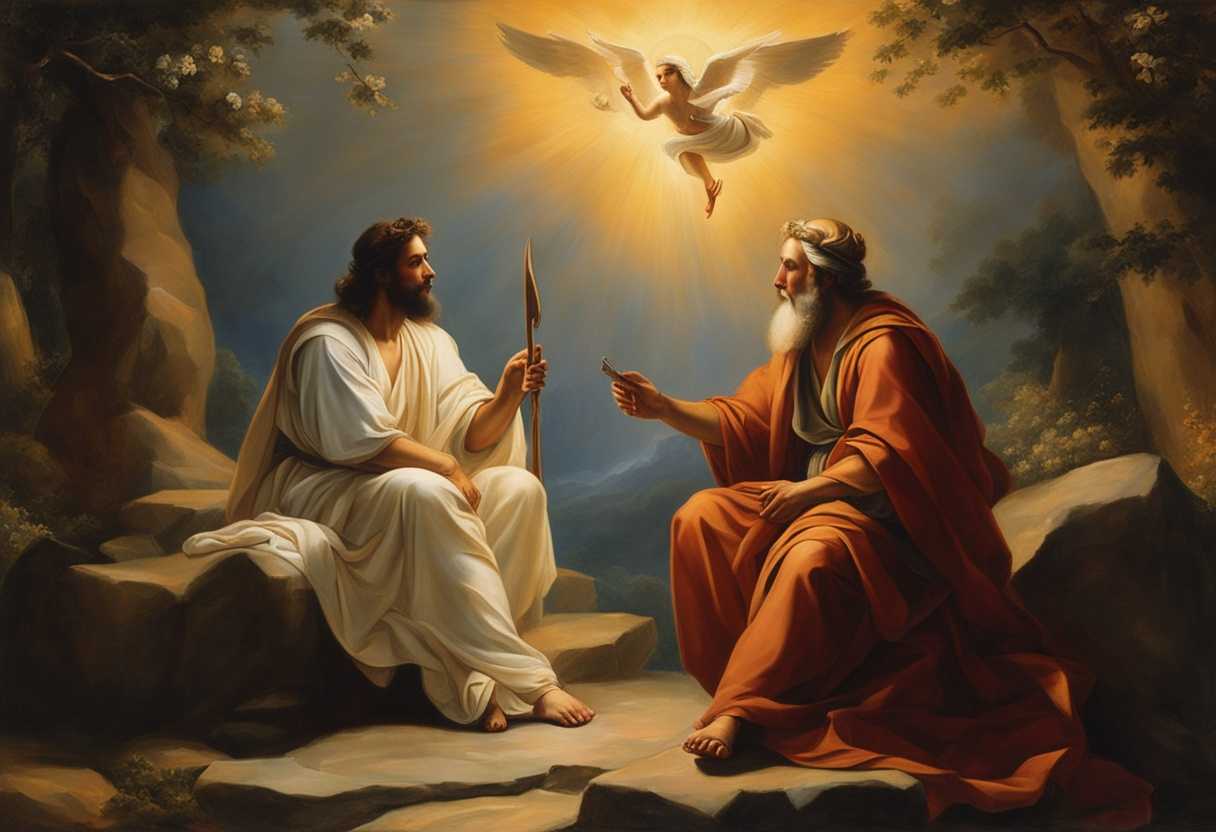
The book of Deuteronomy was written by Moses, the great prophet and leader of the Israelites. Moses imparted his final words and instructions to the people he had guided for so many years as the Israelites prepared to enter the Promised Land. Moses addresses the people in this chapter, preparing them for his departure and the transition of leadership to Joshua. Moses reminds the Israelites of God’s faithfulness and the importance of obeying the law. He also foretells the future rebellion of the people and the consequences they will face if they turn away from God.
This passage echoes the themes of obedience and the consequences of disobedience that are woven throughout the Pentateuch. We are reminded of the importance of following God’s commands, as seen in Deuteronomy 6:4-5, “Hear, O Israel: The Lord our God, the Lord is one. You shall love the Lord your God with all your heart and with all your soul and with all your might.” The chapter also foreshadows the events of the book of Joshua, where the Israelites will finally enter and conquer the Promised Land.
Deuteronomy 31:1-8
Moses addresses the Israelites in Deuteronomy 31:1-8 as he prepares to pass on the leadership to Joshua. The importance and impact of this transition cannot be understated, as Moses had been the primary leader of the Israelites since their exodus from Egypt. Moses reminds the people in verse 2 that he is no longer able to lead them, highlighting his advanced age and the need for Joshua to take over. This passage is significant because it marks the end of an era and the beginning of a new chapter for the Israelites under Joshua’s leadership.
Moses’ acknowledgment of his own mortality serves as a reminder of the temporal nature of human life and the need for succession planning in leadership. It is a humbling moment for Moses, showing his acceptance of God’s plan and his willingness to pass the mantle of leadership to Joshua. This act of humility and obedience to God’s will is an important lesson for all believers, highlighting the importance of submission to God’s authority and divine timing.
The commissioning of Joshua in verse 7 emphasizes the importance of courage and strength in leadership. Moses encourages Joshua to be strong and courageous, echoing God’s words to Joshua in Joshua 1:9. This underscores the recurring theme in the Bible that God calls His chosen leaders to be bold and courageous, relying on His strength and guidance in the face of challenges and uncertainties.
Verse 8 encapsulates a key message in the Bible that God will never leave nor forsake His people. This promise of God’s presence and faithfulness provides comfort and assurance to the Israelites as they face an uncertain future without Moses. It is a reminder for all believers that God is with us in every season of life, guiding and protecting us as we walk in faith and obedience. Deuteronomy 31:1-8 speaks to the themes of leadership transition, humility, courage, and God’s faithfulness. It serves as a reminder of the importance of Godly leadership, the need for obedience to God’s will, and the assurance of His presence in times of transition and change. The story of Moses and Joshua exemplifies the importance of passing on the baton of leadership faithfully and the promise of God’s enduring presence throughout the ages.
Deuteronomy 31:9-13
Moses wrote down the law and gave it to the priests for safekeeping in Deuteronomy 31:9-13. This emphasizes the importance of preserving God’s laws and passing them down through generations to ensure the continuity of faith and adherence to the commandments. Moses, as the appointed leader of the Israelites, was responsible for imparting the laws given to him by God, ensuring they were not forgotten or lost over time.
The act of writing down the law was significant in ancient times when oral tradition was primary in passing down knowledge. Moses ensured that the laws were not subject to human error or manipulation by inscribing them. The involvement of the priests in safeguarding the written laws underscores the role of religious leaders in maintaining the integrity of faith and serving as custodians of divine teachings.
This passage serves as a reminder of the importance of not only knowing God’s commandments but also actively upholding and following them. It underscores a key theme in the Bible, which is obedience and reverence towards God’s laws. The Israelites were expected to live according to the statutes set by God, and the written law served as a tangible reminder of their commitment to the covenant with the Lord.
The concept of preserving and passing down God’s teachings is echoed throughout the Bible. “I have hidden your word in my heart that I might not sin against you,” says Psalm 119:11.” This reflects the idea of internalizing and treasuring God’s word to live a righteous life. The Old Testament often emphasizes the importance of teaching the next generation about God’s statutes, as seen in verses like Deuteronomy 6:6-7 which instructs parents to diligently teach their children about God’s commandments. This emphasis on generational continuity of faith is crucial in sustaining a community centered on God’s truth and values.
Deuteronomy 31:14-18
We can break down several important sections in Deuteronomy 31:14-18 to gain a deeper understanding of the meaning and significance of these verses.
Firstly, the verse begins with Moses speaking to the Israelites, letting them know that his time as their leader is coming to an end and that he will soon be gathered to his people, indicating his impending death. This moment marks a pivotal transition for the Israelites as they prepare to enter the Promised Land without Moses, who had been their leader and intercessor before God for many years. Moses was a central figure in the Israelites’ journey from slavery in Egypt to the edge of the Promised Land. His leadership, faithfulness, and guidance were vital in shaping the Israelites into a nation and preparing them for the challenges ahead.
Secondly, Moses instructs the people to be strong and courageous, reinforcing the importance of their faith and trust in God as they face the uncertainties of the future. This echoes a recurring theme in the Bible where God calls His people to have faith and courage in Him, knowing that He will be with them through all circumstances. This theme is further reiterated in Joshua 1:9 when God commands Joshua, who would succeed Moses as the leader of Israel, to be strong and courageous, for the Lord will be with him wherever he goes.
Then, Moses mentions that the Lord will go before them, just as He had done in the past, and that He will deliver the nations into their hands. This serves as a reminder to the Israelites of God’s faithfulness and power to fulfill His promises. Throughout the Israelites’ history, God had consistently proven Himself to be a faithful and mighty God who goes before His people and fights on their behalf. This assurance of God’s presence and protection is a timeless message that speaks to believers today, encouraging them to trust in God’s providence and sovereignty in their lives.
Lastly, Moses warns the Israelites of the consequences of turning away from God and worshiping other gods. He prophesies that if they forsake the covenant with God, they will experience calamity and destruction. This serves as a cautionary tale not only for the Israelites but for all believers, emphasizing the importance of remaining faithful to God and His commandments. Time and time again in the Bible, we see the consequences of idolatry and disobedience to God, leading to downfall and judgment. This warning underscores the significance of obedience and loyalty to God as the foundation of a prosperous and blessed life. Deuteronomy 31:14-18 captures a moment of transition, reflection, instruction, and warning for the Israelites as they prepare to enter a new chapter in their journey. Through Moses’ words, we are reminded of the faithfulness of God, the importance of trust and obedience, and the consequences of turning away from Him. These timeless messages continue to resonate with believers today, urging us to stand firm in our faith, trust in God’s promises, and remain obedient to His commands.
Deuteronomy 31:19-22
Several significant sections in Deuteronomy 31:19-22 provide insight into the relationship between God, Moses, and the Israelites as they prepare to enter the Promised Land.
The first section speaks of God’s command to Moses to write down a song and teach it to the Israelites, so that it may serve as a witness against them. This song foretells the rebellious nature of the Israelites and the consequences they will face in the future. This act of writing down the song can be seen as a form of prophetic warning from God, reminding the Israelites of the importance of obedience and faithfulness. This event emphasizes the importance of remembering God’s laws and teachings, as they serve as a guide for righteous living and a reminder of the consequences of straying from His path. This also highlights the omniscience of God, who knows the future actions of His people and warns them accordingly.
The next section mentions Moses calling Joshua and instructing him to be strong and courageous, as he will be the one to lead the Israelites into the Promised Land. This passing of the torch from Moses to Joshua symbolizes the continuation of God’s plan for His people. Joshua, who had already proven himself as a faithful servant of God during the conquest of Canaan, was chosen by God to lead His people after Moses. This transition of leadership also reveals the importance of mentorship and discipleship in the Bible, as Moses imparts wisdom and guidance to Joshua before his own passing. This echoes the concept of mentorship seen in other parts of the Bible, such as the relationship between Elijah and Elisha.
Lastly, in this passage, there is a declaration that God will be with Joshua as he leads the Israelites into the Promised Land. This promise of God’s presence and support is a recurring theme throughout the Bible, emphasizing the importance of trusting in God’s guidance and provision. This assurance of God’s faithfulness serves as a source of strength and comfort for Joshua and the Israelites as they face the challenges of entering and conquering the land. This promise is also reflected in other parts of the Bible, such as in Joshua 1:9, where God tells Joshua, “Be strong and courageous. Do not be afraid; do not be discouraged, for the Lord your God will be with you wherever you go. Deuteronomy 31:19-22 provides valuable insights into the themes of obedience, leadership, and God’s faithfulness. It reminds us of the importance of heeding God’s warnings, mentoring others in the faith, and trusting in God’s presence in our lives. This passage serves as a reminder of the timeless messages of the Bible and the enduring relevance of its teachings for believers today.
Deuteronomy 31:23
“The Lord gave this command to Joshua son of Nun in Deuteronomy 31:23: ‘Be strong and courageous, for you will bring the Israelites into the land I promised them on oath, and I myself will be with you.’”‘”
This verse holds several key elements that are important to analyze. First, we see the passing of leadership from Moses to Joshua. Moses had been the leader of the Israelites since the Exodus from Egypt, and now, as they are on the brink of entering the Promised Land, Joshua is being officially appointed as the one who will lead them into their inheritance. This moment is of great significance as it marks a transition in leadership and sets the stage for the next chapter in Israel’s history.
Secondly, the emphasis on being “strong and courageous” is essential. The task ahead for Joshua is daunting – leading the Israelites across the Jordan River and into a land inhabited by powerful nations. The command to be strong and courageous is repeated multiple times in the Bible, emphasizing the importance of faith and trust in God’s promises. Joshua’s success in leading the Israelites is contingent on his obedience to God and his unwavering faith in His guidance.
Furthermore, the assurance that God gives Joshua – “I myself will be with you” – is a powerful reminder of God’s faithfulness and presence throughout the Israelites’ journey. Just as God was with Moses, He promises to be with Joshua as he steps into his new role as the leader of the Israelites. This promise of God’s presence is not only for Joshua but for all believers, reminding us that we are never alone in our journeys, and God goes before us, guiding and protecting us.
The command to Joshua to lead the Israelites into the Promised Land is a fulfillment of the covenant that God made with Abraham, Isaac, and Jacob. It is a pivotal moment in the history of Israel, showcasing God’s faithfulness in fulfilling His promises to His people. This transition from the wilderness to the Promised Land signifies a new chapter for the Israelites, where they will take possession of the land flowing with milk and honey, as God had promised. Deuteronomy 31:23 is a significant verse that marks the passing of leadership from Moses to Joshua, emphasizing the importance of strength, courage, faith, and God’s presence in fulfilling His promises. It serves as a reminder of God’s faithfulness throughout history and His continuous presence in the lives of His people, guiding them towards their inheritance.
Deuteronomy 31:24-29
Several important sections can be identified in Deuteronomy 31:24-29. Firstly, the verse begins with Moses commanding the Levitical priests who carried the Ark of the Covenant to take this Book of the Law and put it beside the Ark of the Covenant of the Lord. This action symbolizes the significance of the Law in the lives of the Israelites. The Book of the Law contained the commandments and instructions given by God to His people through Moses. Placing it alongside the Ark of the Covenant, which housed the stone tablets inscribed with the Ten Commandments, highlights the importance of following God’s laws and teachings to the Israelites.
Moses goes on to instruct the priests that every seven years, at the appointed time of the year of the canceling of debts, the entire law was to be read to all the people of Israel – men, women, children, and foreigners living in their towns. This practice was crucial in ensuring that the people remained faithful to God’s commandments and did not stray from His path. Regularly hearing the Law reminded the Israelites of their covenant relationship with God and the importance of obedience and righteousness.
The mention of the year of the canceling of debts is significant as it links back to the Year of Jubilee, a sacred year of liberation and restoration in the Israelite tradition. During the Year of Jubilee, debts were forgiven, slaves were set free, and ancestral lands were returned to their original owners. This practice of debt cancellation not only alleviated financial burdens but also emphasized God’s justice, mercy, and provision for His people. Moses prophesies about the future apostasy of the Israelites after his death. He foresees that they will turn away from God, break the covenant, and follow after foreign gods, bringing about God’s anger and judgment upon them. This warning serves as a stern reminder of the consequences of disobedience and idolatry. It reflects the cyclical nature of Israel’s relationship with God throughout the Old Testament, where they repeatedly fall into sin, face divine punishment, repent, and are restored by God’s grace. Deuteronomy 31:24-29 encapsulates the themes of obedience to God’s law, the importance of regular instruction in His teachings, the significance of the Year of Jubilee, and the consequences of idolatry and disobedience. It highlights the enduring message of faithfulness, repentance, and the enduring love and justice of God towards His people, which reverberates throughout the Bible. It serves as a timeless reminder for believers to uphold God’s commandments, seek forgiveness for their sins, and trust in His redemptive plan for humanity.
Deuteronomy 31:30
Deuteronomy 31:30 states, “And Moses spoke in the hearing of all the assembly of Israel the words of this song until they were ended. Moses highlighted in this verse that he spoke to the entire assembly of Israel the words of a song. This song, known as the Song of Moses, is found in the following chapter of Deuteronomy (Deuteronomy 32). This song serves as a powerful message to the Israelites, reminding them of God’s faithfulness, their own unfaithfulness, and the consequences of turning away from the Lord.
Moses’ delivery of the Song of Moses was significant because it represented a culmination of his leadership over the Israelites. Throughout the book of Deuteronomy, Moses has been preparing the people for their future without him, emphasizing the importance of obeying God’s commandments and staying faithful to Him. Moses reinforces these teachings and leaves the assembly with a final exhortation to remain steadfast in their commitment to the Lord by sharing this song.
The Song of Moses serves as a thematic summary of the relationship between God and His people, reflecting on the past faithfulness of God, the disobedience of the Israelites, and the ultimate justice and mercy of God. This song is a reminder of the covenant relationship between God and His chosen people, and the consequences of forsaking that covenant.
The act of delivering this song publicly before the entire assembly of Israel is a poignant moment in the narrative of Moses. It symbolizes his role as a faithful servant of God, entrusted with the task of shepherding the Israelites through their wilderness journey and guiding them towards the Promised Land. Just as Moses shared the Song of Moses with the people, Christians are called to share the word of God with others, reminding them of His faithfulness and calling them to obedience.
This verse in Deuteronomy 31 underscores the importance of passing down God’s teachings and lessons to future generations. It emphasizes the role of leaders like Moses in imparting wisdom, guidance, and spiritual truths to the community. The Song of Moses continues to be relevant today, serving as a reminder of the consequences of straying from God and the enduring faithfulness of the Lord throughout history.
After Deuteronomy 31
The people had heard the words of the Lord, spoken through Moses. They had been reminded of the covenant, the laws, and the blessings and curses that would come upon them. Now, as Moses’ time drew to a close, he had one final task – to ensure the people remained faithful to the Lord, even after he was gone. With a heavy heart, Moses called Joshua before the people and commissioned him as the new leader. The road ahead would be difficult, but the Lord had promised to be with them. The people knew they must cling to the words of the Lord as they prepared to enter the Promised Land, lest they fall into sin and face His judgment. The future was uncertain, but their hope lay in the faithfulness of God.

Reverend Michael Johnson is an experienced Church Minister with a profound expertise in spirituality and guidance. With a serene presence and a compassionate heart, he has faithfully served his congregation for over 20 years, leading them on a spiritual journey towards inner peace and enlightenment. Reverend Johnson’s extensive knowledge of religious philosophies and profound understanding of human nature have made him a trusted confidant and mentor to many, as he seamlessly weaves his profound wisdom into life teachings. Reverend Johnson’s calming demeanor and empathetic nature continue to uplift and heal souls, nurturing a sense of unity and tranquility within his community.