
7 and the dust returns to the earth as it was, and the spirit returns to God who gave it.
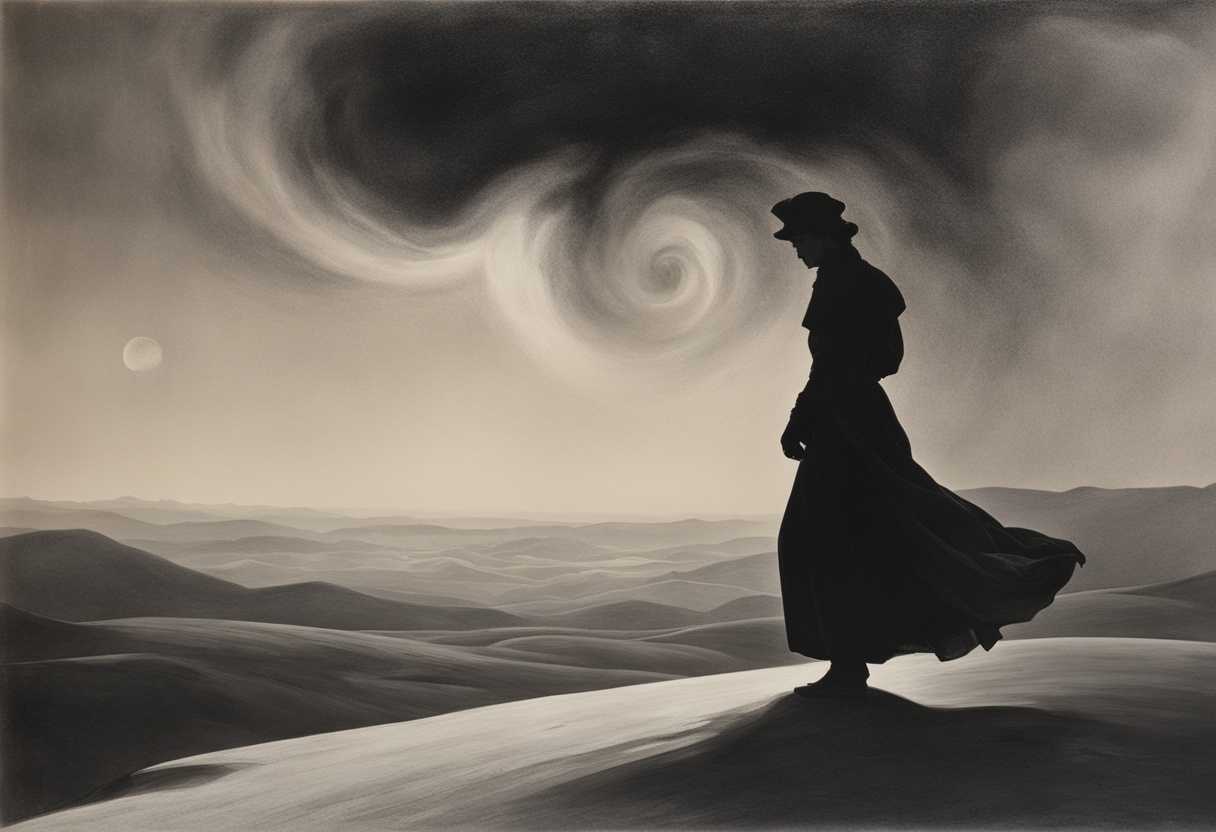
Setting the Scene for Ecclesiastes 12:7
The scene in Ecclesiastes 12:7 is set in a serene and contemplative setting, where the Preacher, King Solomon, is addressing a group of listeners in the twilight of his life. The Preacher, known for his wisdom and experiences, has gathered a group of young scholars and followers to impart his final teachings and reflections on life. The setting is likely a peaceful garden or a quiet courtyard, with the soft rustling of leaves and the gentle chirping of birds in the background.
Surrounded by lush greenery and perhaps a few ancient olive trees, the Preacher sits on a stone bench, his weathered face reflecting the wisdom of years gone by. The young listeners, eager to absorb his words, sit cross-legged on the ground before him, their faces illuminated by the warm glow of the setting sun. As the Preacher speaks, his words carry the weight of a life lived fully, urging his audience to remember their Creator in the days of their youth before the inevitable march of time.
In this poignant moment, the Preacher’s words resonate with a sense of urgency and importance, reminding his listeners of the fleeting nature of life and the ultimate destiny of all humankind. The scene is one of quiet reflection and deep contemplation, as the Preacher imparts his final words of wisdom to a generation eager to learn from his experiences and insights.
What is Ecclesiastes 12:7 about?
This verse from Ecclesiastes 12:7 reminds us of our mortality and the cycle of life and death. It speaks to the physical aspect of our existence, highlighting that our bodies return to the earth from which they came. It emphasizes the transient nature of our physical being and serves as a poignant reminder of our humble origins and ultimate destiny.
At the same time, this verse also touches upon the spiritual dimension of human life. It suggests that our spirit, our essence, returns to God, the source of all life. This concept can be interpreted in various ways depending on one’s beliefs, but it generally points to the idea of a divine connection or a higher purpose beyond our earthly existence. It prompts us to reflect on the eternal nature of our souls and the possibility of a deeper spiritual journey beyond our physical lives. We are encouraged to contemplate the dual nature of our existence – the material and the spiritual as we ponder the meaning of this verse. It challenges us to consider how we live our lives in light of this understanding, how we nurture our spirits and connect with something greater than ourselves. It invites us to explore questions of purpose, meaning, and our relationship with the divine. It ultimately offers solace and wisdom in accepting the cycle of life and death as a part of a larger, mysterious, and divine plan.
Understanding what Ecclesiastes 12:7 really means
Structure:
- Introduction
- Context within the Bible
- Key Phrases and Their Meanings
- Cross-references to Other Bible Passages
- Relevance to People Today
- Anecdote for Illustration
- Conclusion
Commentary:
Ecclesiastes 12:7 provides a profound reflection on the transient nature of human life and the eternal character of the divine. This verse is part of a larger narrative where the author, traditionally believed to be King Solomon, contemplates the meaning of life and the inevitability of death. Ecclesiastes stands out in the context of the Bible for its philosophical musings on life’s purpose and the futility of earthly endeavors. The verse serves as a reminder that our physical existence is temporary, and ultimately, we return to God. This aligns with the overarching theme of Ecclesiastes, which encourages us to seek meaning beyond material possessions and worldly achievements.
One key phrase from this verse is “the dust returns to the ground it came from.” This phrase underscores the idea that our physical bodies are made from the earth and will return to it upon death. It echoes Genesis 3:19, where God tells Adam, “for dust you are and to dust you will return.” The cyclic nature of life and death is emphasized here, highlighting our physical mortality.
Another significant phrase is “the spirit returns to God who gave it.” This speaks to the divine origin and destiny of the human spirit. It reassures us that while our bodies may perish, our spirits are eternal and will return to their Creator. This concept is further supported by passages like 2 Corinthians 5:8, which expresses a longing to be “away from the body and at home with the Lord.”
These themes are incredibly relevant today, especially in a world often preoccupied with material success and physical well-being. This verse prompts us to consider what truly matters. Are we investing in our spiritual growth and relationship with God, or are we solely focused on the temporal aspects of life? A man spent his entire life accumulating wealth and status. On his deathbed, he realized that none of his possessions could accompany him beyond the grave. It was then that he found solace in the idea that his spirit would return to God, and he regretted not prioritizing his spiritual journey earlier in life. This anecdote serves as a powerful reminder that our ultimate destination is not of this world. Ecclesiastes 12:7 invites us to reflect on our mortality and the eternal nature of our spirit. It challenges us to prioritize our relationship with God and find meaning beyond the material world. Let this verse guide us towards a deeper, more fulfilling existence rooted in spiritual truth as we navigate the complexities of modern life.
What happens to our spirit after death?
According to Ecclesiastes 12:7, when a person dies, their body returns to the dust of the earth. However, their spirit returns to God who gave it. This verse suggests that our spirit, which is the essence of our being, goes back to God after death. It implies that there is a spiritual aspect of our existence that transcends our physical body.
This verse can be interpreted to mean that after death, our spirit is reunited with God, the source of life. It suggests that there is a divine connection that continues beyond our earthly life. The idea of our spirit returning to God can provide comfort and assurance that our existence is not limited to this world and that there is a spiritual realm where our essence is everlasting. It implies a sense of continuity and eternal connection with the divine.
Application
Life is like a fleeting email or a hasty family dinner—blink and it’s gone. It’s time to focus on what truly matters. Deepen your bond with God, invest in those around you, and leave a lasting legacy. Your daily grind isn’t just about the next deadline; it’s about eternity. Don’t wait. How will you choose to live today with these truths in mind?

Reverend Michael Johnson is an experienced Church Minister with a profound expertise in spirituality and guidance. With a serene presence and a compassionate heart, he has faithfully served his congregation for over 20 years, leading them on a spiritual journey towards inner peace and enlightenment. Reverend Johnson’s extensive knowledge of religious philosophies and profound understanding of human nature have made him a trusted confidant and mentor to many, as he seamlessly weaves his profound wisdom into life teachings. Reverend Johnson’s calming demeanor and empathetic nature continue to uplift and heal souls, nurturing a sense of unity and tranquility within his community.