
Ecclesiastes 2:1-11 is about the empty pursuits of pleasure, wealth, and accomplishments that ultimately fail to bring lasting satisfaction and meaning in life, highlighting the futility of seeking fulfillment in materialistic pursuits alone.
1 I said in my heart, “Come now, I will test you with pleasure; enjoy yourself.” But behold, this also was vanity.
2 I said of laughter, “It is mad,” and of pleasure, “What use is it?”
3 I searched with my heart how to cheer my body with wine—my heart still guiding me with wisdom—and how to lay hold on folly, till I might see what was good for the children of man to do under heaven during the few days of their life.
4 I made great works. I built houses and planted vineyards for myself.
5 I made myself gardens and parks, and planted in them all kinds of fruit trees.
6 I made myself pools from which to water the forest of growing trees.
7 I bought male and female slaves, and had slaves who were born in my house. I had also great possessions of herds and flocks, more than any who had been before me in Jerusalem.
8 I also gathered for myself silver and gold and the treasure of kings and provinces. I got singers, both men and women, and many concubines, the delight of the sons of man.
9 So I became great and surpassed all who were before me in Jerusalem.
10 And whatever my eyes desired I did not keep from them. I kept my heart from no pleasure, for my heart found pleasure in all my toil, and this was my reward for all my toil.
11 Then I considered all that my hands had done and the toil I had expended in doing it, and behold, all was vanity and a striving after wind, and there was nothing to be gained under the sun.
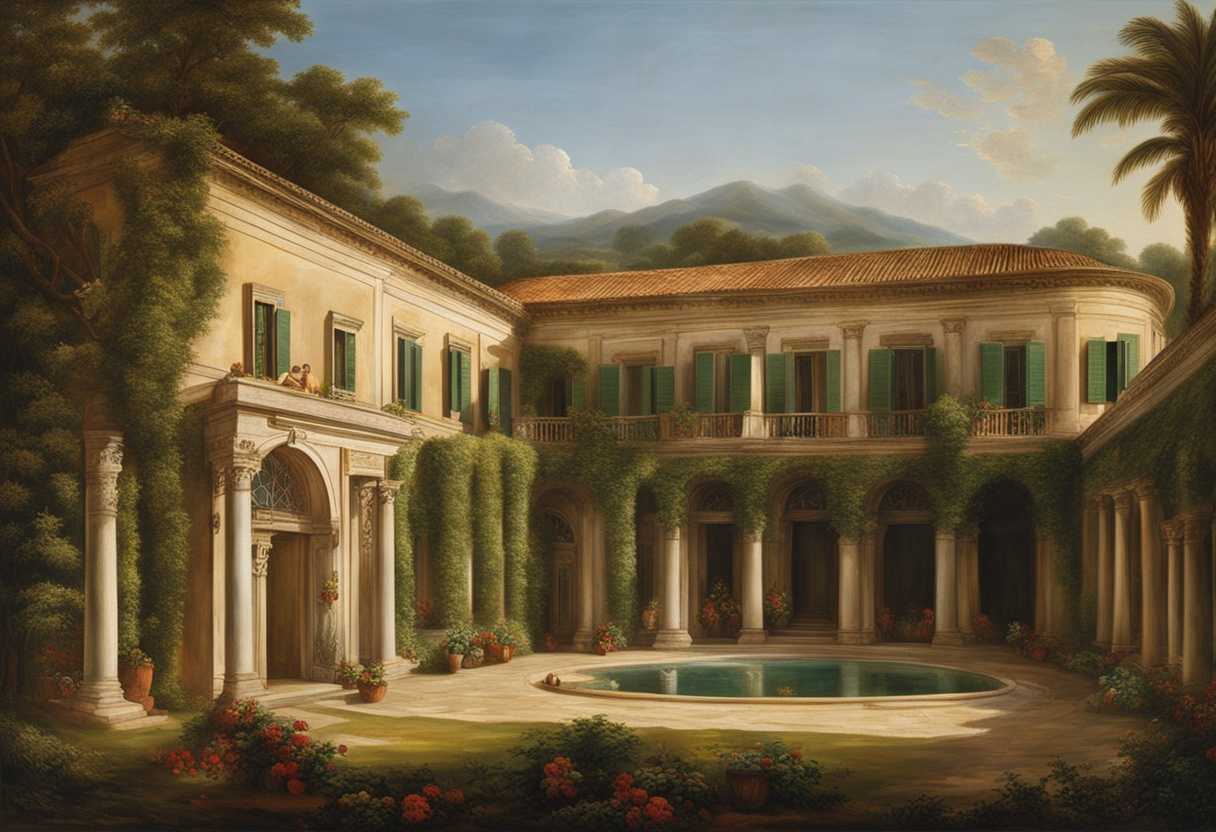
Setting the Scene for Ecclesiastes 2:1-11
In Ecclesiastes chapter 2, we find King Solomon, the wisest man who ever lived, reflecting on his pursuit of pleasure and the meaninglessness of it all. The scene is set in the opulent palace of Solomon in Jerusalem, where he has gathered his court officials, advisors, and concubines for a lavish feast. The grand hall is adorned with gold and precious jewels, and the air is filled with the aroma of exotic spices and incense.
Solomon, dressed in his finest robes and adorned with jewels, sits at the head of the table, surrounded by his guests who are indulging in the finest food and wine. Musicians play soft melodies in the background, adding to the ambiance of luxury and excess. Despite the outward appearance of merriment and abundance, there is a sense of emptiness and futility that hangs over the gathering.
As the feast progresses, Solomon’s thoughts turn inward, and he begins to question the purpose of his extravagant lifestyle. He realizes that no amount of pleasure or material wealth can bring true fulfillment or lasting happiness. In this moment of introspection, surrounded by all the trappings of his wealth and power, Solomon comes to the profound realization that true meaning and satisfaction can only be found in a life lived in service to God.
What is Ecclesiastes 2:1-11 about?
This passage from Ecclesiastes serves as a poignant reminder of the fleeting nature of worldly pleasures and material possessions. It delves into the theme of the pursuit of pleasure and how it ultimately leaves one feeling empty and unfulfilled. The author, traditionally believed to be King Solomon, experimented with indulging in every pleasure and luxury imaginable, yet found no lasting satisfaction or purpose in it all. This reflection challenges us to consider where we seek fulfillment and whether our pursuits are truly meaningful in the grand scheme of life. Exploring these verses prompts us to ponder the true source of lasting joy and fulfillment in our lives. The quest for pleasure and material wealth is revealed as ultimately hollow without a deeper connection to God. This passage invites us to examine our own pursuits and priorities, urging us to seek meaning and contentment in spiritual fulfillment rather than in the transient pleasures of the world. It serves as a powerful reminder that there is a greater purpose beyond the pursuit of temporary gratification, and true fulfillment can only be found in a relationship with God.
Understanding what Ecclesiastes 2:1-11 really means
In the book of Ecclesiastes, often attributed to the wise King Solomon, we delve into the profound exploration of life’s meaning and purpose. The overarching theme of Ecclesiastes revolves around the relentless quest for significance and fulfillment in a world filled with fleeting pleasures and transient pursuits.
Solomon, in his introspective journey, declares, “I said to myself, ‘Come now, I will test you with pleasure to find out what is good.’” This statement encapsulates the innate human inclination to seek pleasure and gratification in various forms. Solomon embarks on an experiment of indulgence, exploring the allure of earthly delights to discern their ultimate worth.
However, his conclusion resounds with a stark reality, “But that also proved to be meaningless.” The term “meaningless,” or “hevel” in Hebrew, conveys a sense of emptiness, vanity, and transience. It highlights the ephemeral and unsatisfactory nature of worldly pleasures, echoing the sentiment that the pursuit of material gratification alone leads to a hollow existence.
Solomon enumerates a plethora of pursuits – from laughter, wine, and luxurious projects to possessions like houses, vineyards, and silver and gold. These pursuits, both then and now, symbolize the common avenues through which individuals seek happiness and fulfillment. Yet, Solomon’s reflection unveils the ultimate emptiness of these endeavors, portraying them as mere illusions in the grand scheme of life.
Upon surveying all his accomplishments, Solomon arrives at a profound realization, “everything was meaningless, a chasing after the wind; nothing was gained under the sun.” The metaphor of “chasing after the wind” vividly illustrates the futile nature of relentlessly pursuing temporal pleasures and material wealth. It serves as a poignant reminder of the insubstantiality of earthly pursuits when viewed through the lens of eternity.
Drawing parallels from other biblical passages, such as Matthew 6:19-21, 1 Timothy 6:6-10, and Philippians 4:11-13, we encounter consistent teachings on the transient nature of earthly treasures and the enduring value of contentment, godliness, and reliance on Christ. These passages echo the sentiments expressed in Ecclesiastes, emphasizing the eternal significance of spiritual wealth over material possessions.
In today’s consumer-driven society, the message of Ecclesiastes 2:1-11 resonates profoundly. The relentless pursuit of pleasure, wealth, and success often leads to a sense of disillusionment and emptiness. It underscores the importance of seeking deeper, spiritual fulfillment that transcends the temporary allure of worldly indulgences.
Consider the story of an individual consumed by the pursuit of material success, only to find it lacking in true fulfillment. Through a transformative encounter with faith or a shift in perspective, they discover a profound sense of meaning and contentment that had eluded them in their previous pursuits. This narrative mirrors the timeless wisdom encapsulated in Ecclesiastes, urging us to reevaluate our priorities and seek lasting fulfillment in spiritual truths.
In conclusion, Ecclesiastes 2:1-11 serves as a poignant reminder of the transient nature of earthly pursuits and the enduring value of seeking true meaning and fulfillment. As we navigate our own journeys, may we reflect on the wisdom imparted in these verses and strive to find lasting contentment in spiritual riches rather than fleeting pleasures. Let us seek discernment and wisdom in our pursuits, anchoring our hearts in the eternal truths that bring true fulfillment and purpose to our lives.
Is pursuing pleasure ultimately fulfilling or empty?
The pursuit of pleasure, as highlighted in Ecclesiastes, ultimately leads to emptiness and a sense of discontent. The writer explores the idea of seeking satisfaction in pleasure, luxury, and indulgence, only to find it lacking in offering true fulfillment. Despite indulging in every pleasure imaginable, the emptiness and futility of this pursuit become apparent. The temporary pleasure derived from worldly pursuits does not provide lasting satisfaction or genuine meaning in life.
The verse warns against the pursuit of pleasure as a source of ultimate satisfaction, emphasizing that it is ultimately unfulfilling. While pleasure may bring temporary enjoyment and distraction, it does not address deeper existential questions or provide a lasting sense of purpose. The pursuit of pleasure for its own sake can become a never-ending cycle of seeking more and more, without finding genuine fulfillment or satisfaction in the end. Instead, the verse encourages seeking meaning and contentment in things that are lasting and valuable, beyond fleeting pleasures.
Application
In our busy lives, we often chase after job titles, paychecks, and fleeting entertainment, but do they truly fulfill us? Like wearing yourself out on a treadmill that goes nowhere, worldly pleasures are temporary. Let’s fix our eyes on what truly matters—lasting happiness and spiritual growth. Are you ready to step off the treadmill and invest in treasures that endure forever?

Reverend Michael Johnson is an experienced Church Minister with a profound expertise in spirituality and guidance. With a serene presence and a compassionate heart, he has faithfully served his congregation for over 20 years, leading them on a spiritual journey towards inner peace and enlightenment. Reverend Johnson’s extensive knowledge of religious philosophies and profound understanding of human nature have made him a trusted confidant and mentor to many, as he seamlessly weaves his profound wisdom into life teachings. Reverend Johnson’s calming demeanor and empathetic nature continue to uplift and heal souls, nurturing a sense of unity and tranquility within his community.