
Ecclesiastes 3:1-13 is about the cyclical nature of life and the divine purpose behind every season, teaching that there is a time for everything under the heavens and that God’s sovereignty is displayed in the rhythm of life.
1 For everything there is a season, and a time for every matter under heaven:
2 a time to be born, and a time to die; a time to plant, and a time to pluck up what is planted;
3 a time to kill, and a time to heal;
a time to break down, and a time to build up;
4 a time to weep, and a time to laugh;
a time to mourn, and a time to dance;
5 a time to cast away stones, and a time to gather stones together;
6 a time to seek, and a time to lose; a time to keep, and a time to cast away;
7 a time to tear, and a time to sew; a time to keep silence, and a time to speak;
8 a time to love, and a time to hate;
a time for war, and a time for peace.
9 What gain has the worker from his toil?
10 I have seen the business that God has given to the children of man to be busy with.
11 He has made everything beautiful in its time. Also, he has put eternity into man’s heart, yet so that he cannot find out what God has done from the beginning to the end.
12 I perceived that there is nothing better for them than to be joyful and to do good as long as they live;
13 also that everyone should eat and drink and take pleasure in all his toil—this is God’s gift to man.
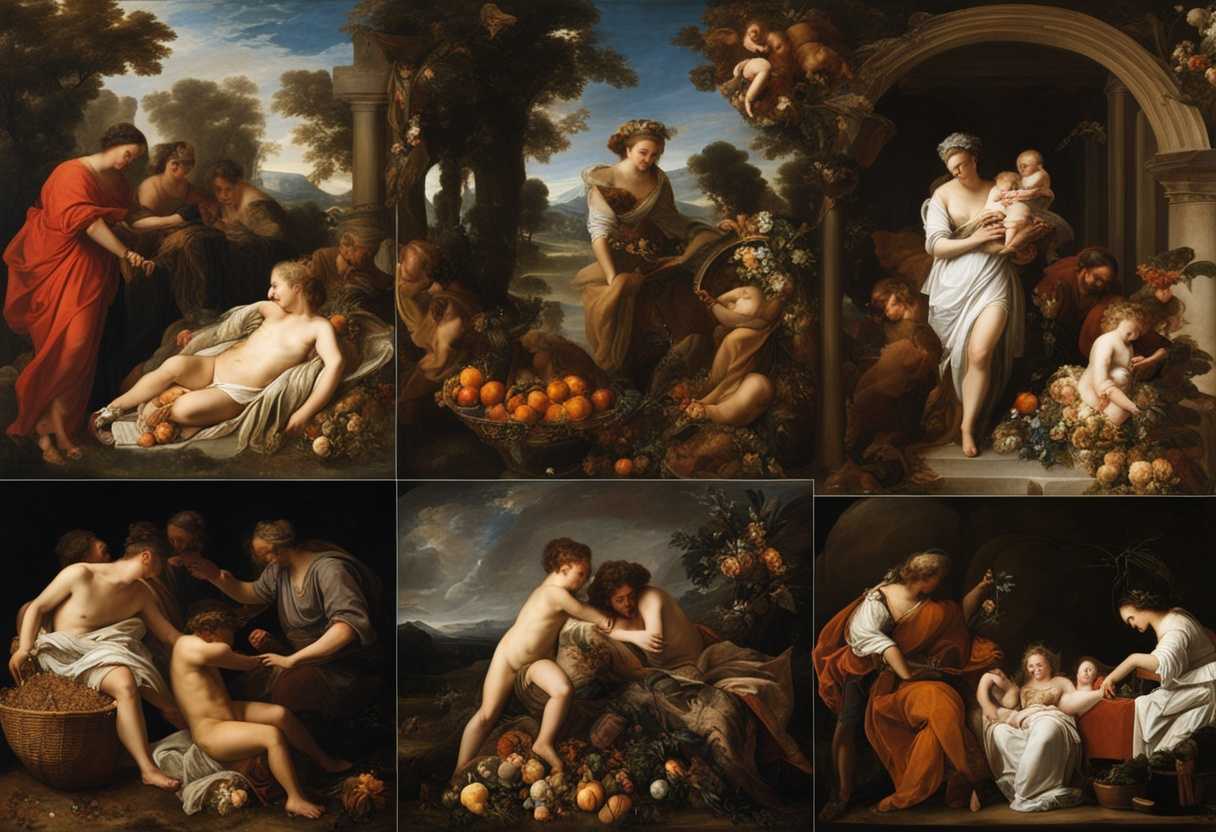
Setting the Scene for Ecclesiastes 3:1-13
In the scene described in Ecclesiastes 3:1-13, we find a group of people gathered in a lush garden surrounded by blooming flowers and towering trees. The sun is shining brightly overhead, casting a warm glow over the scene. The air is filled with the sweet scent of blossoms, and birds can be heard chirping in the distance.
Among the group are individuals from different walks of life – there are elders with long flowing robes, young children playing joyfully, and adults engaged in deep conversation. They have all come together for a time of reflection and contemplation, seeking wisdom and understanding in the midst of life’s ever-changing seasons.
As they sit together in the peaceful garden, they discuss the cycles of life and the passage of time. They ponder the beauty of God’s creation and the purpose behind each season – from planting and harvesting to weeping and laughing. In this serene setting, they find solace in the knowledge that there is a time for everything under the heavens, and that God’s timing is perfect.
What is Ecclesiastes 3:1-13 about?
This verse reminds us of the natural ebb and flow of life, emphasizing the importance of trusting in God’s perfect timing. Our lives also go through various seasons that shape us and help us grow, just as each season serves a unique purpose in nature. We can find comfort in knowing that we are exactly where we are meant to be at that moment by acknowledging that God has a plan for every aspect of our lives.
Have you ever felt impatient or frustrated when things don’t seem to be going according to your plan? This verse serves as a gentle reminder to embrace the season you are in, whether it’s a time of abundance or scarcity, joy or sorrow. Trusting in God’s divine timing helps us find peace in the knowledge that everything happens for a reason and that each season is preparing us for what lies ahead.
So, instead of resisting or rushing through a particular season of life, take the time to reflect on the lessons it has to offer. Embrace the present moment and find joy in the small blessings that come your way. Each season of life has its own purpose and significance in shaping who you are meant to become. Trust in God’s timing, have faith in the journey, and embrace the beauty of every season under heaven.
Understanding what Ecclesiastes 3:1-13 really means
Ecclesiastes 3:1-13 is a profound passage that speaks to the cyclical nature of life and the divine timing of all events. This passage is often quoted for its poetic enumeration of life’s seasons and the wisdom it imparts about the human experience. “To everything there is a season, and a time to every purpose under the heaven” – this opening line sets the tone for the entire passage, emphasizing that every event in life has its appointed time. It reminds us of the intricate balance and order in the universe, echoing the sentiment in Genesis 8:22 about the enduring cycles of nature.
“A time to be born, and a time to die; a time to plant, and a time to pluck up that which is planted” – these phrases highlight the inevitability of life’s cycles, from birth to death and sowing to reaping. They speak to the natural progression of life and the seasons we all must go through. “He hath made every thing beautiful in his time” – this phrase reassures us that God’s timing is perfect, even when we do not understand it. It offers solace in knowing that there is a purpose and beauty in every stage of life, aligning with the promise in Romans 8:28 that all things work together for good.
“Also he hath set the world in their heart, so that no man can find out the work that God maketh from the beginning to the end” – this suggests that while humans have an innate sense of eternity, we cannot fully comprehend God’s plan. It humbles us to acknowledge the vastness of God’s wisdom and the limitations of our understanding, resonating with the sentiment in Isaiah 55:8-9 about the incomprehensibility of God’s ways. In a world that often feels chaotic and uncertain, this passage offers comfort by reminding us that there is a divine order to everything. It encourages patience and trust in God’s timing, which is particularly relevant in an age of instant gratification.
“To everything there is a season” underscores the inevitability and appropriateness of different phases in life, encouraging acceptance and adaptability. “He hath made every thing beautiful in his time” reassures us that even the difficult and painful moments have their place and purpose in the grand scheme of things. “No man can find out the work that God maketh from the beginning to the end” humbles us, reminding us of our limited understanding and the importance of faith. Ecclesiastes 3:1-13 is a timeless reminder of the divine orchestration of life’s events. By reflecting on this passage, we can find peace and purpose, trusting that every season of life is part of God’s perfect plan.
How can we find joy and purpose in life?
The verse reminds us that there is a time and season for everything in life. Understanding this can bring us peace and help us find joy in the midst of change and uncertainty. We can cultivate a sense of gratitude and contentment, even when faced with challenges, by recognizing that there is a purpose and timing for every experience we go through.
Finding joy and purpose in life can also come from embracing the present moment and making the most of what we have. Instead of constantly striving for the next big thing or dwelling on past regrets, we can choose to focus on the blessings and opportunities that are right in front of us. We can find fulfillment in the simple joys and meaningful connections that make life rich and purposeful by practicing mindfulness and living with intention. Finding joy and purpose in life can ultimately be a journey of self-discovery and growth. We can cultivate a deeper sense of purpose and contentment by seeking out experiences that align with our values and bring us fulfillment. Embracing the ups and downs of life with resilience and gratitude, we can find joy in the beauty of each moment and the richness of human experience.
Application
Life is full of seasons, just like the changing moments at work and home. Embrace each one with purpose and action. Recognize when it’s time to start something new or let go of the old. Are you ready to seize the opportunities God has placed in your path?

Reverend Michael Johnson is an experienced Church Minister with a profound expertise in spirituality and guidance. With a serene presence and a compassionate heart, he has faithfully served his congregation for over 20 years, leading them on a spiritual journey towards inner peace and enlightenment. Reverend Johnson’s extensive knowledge of religious philosophies and profound understanding of human nature have made him a trusted confidant and mentor to many, as he seamlessly weaves his profound wisdom into life teachings. Reverend Johnson’s calming demeanor and empathetic nature continue to uplift and heal souls, nurturing a sense of unity and tranquility within his community.