
Ecclesiastes 3:21 is about recognizing the uncertainty and mystery surrounding life after death, emphasizing the limited understanding humans have about what happens to their souls once they depart from this world.
21 Who knows whether the spirit of man goes upward and the spirit of the beast goes down into the earth?
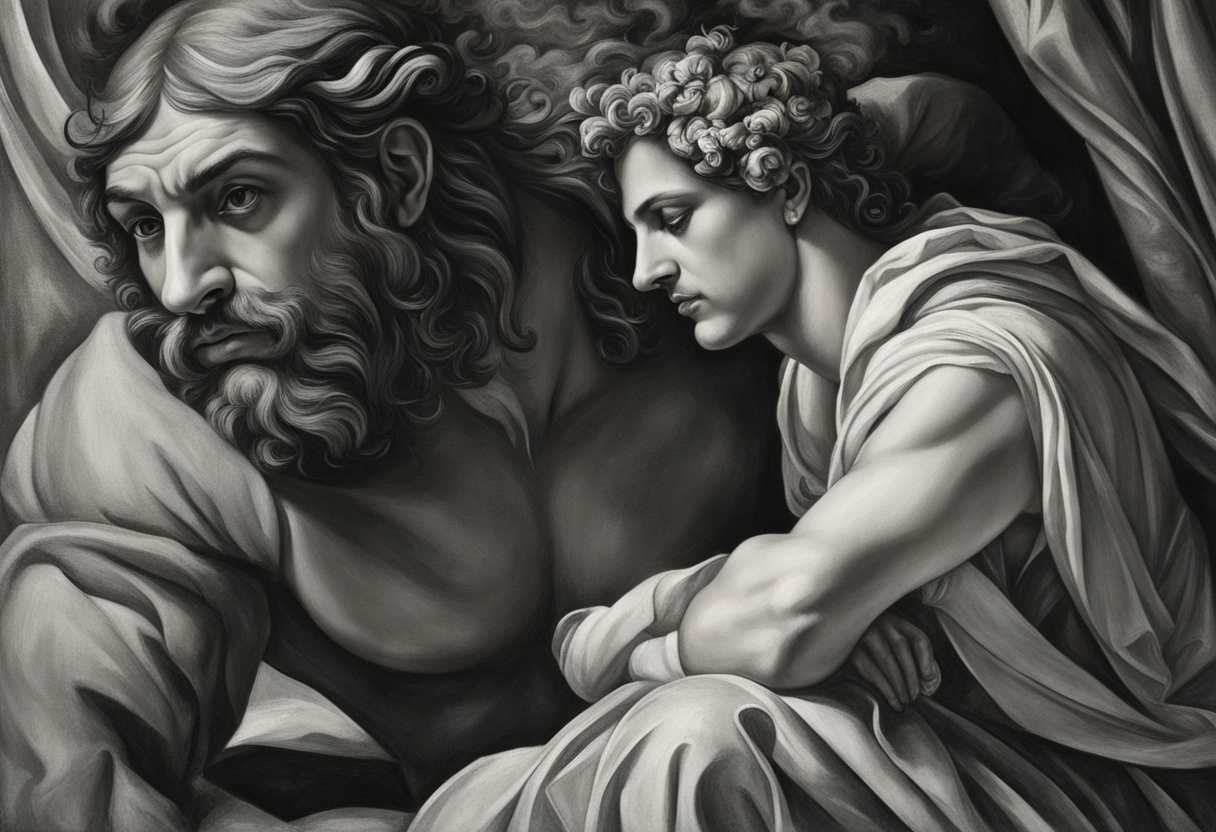
Setting the Scene for Ecclesiastes 3:21
In Ecclesiastes chapter 3, we find a poignant reflection on the various seasons of life. Imagine a serene garden setting, bathed in the golden hues of the setting sun. The air is filled with the sweet fragrance of blooming flowers, and a gentle breeze rustles the leaves of the trees. In this tranquil scene, a diverse group of individuals has gathered for a moment of contemplation and discussion.
Among them are scholars, philosophers, and seekers of wisdom, each drawn to this place by a shared desire to explore the mysteries of existence. They come from different walks of life, bringing with them their unique perspectives and experiences. Some are old and wise, their faces etched with the lines of time, while others are young and eager, their eyes alight with curiosity.
As they sit together in the fading light, the group engages in a deep conversation about the nature of life and death, pondering the words of Ecclesiastes that remind them of the transient nature of human existence. In this moment of unity and reflection, they find solace in the knowledge that, despite the ever-changing seasons of life, there is a timeless wisdom that binds them together in their search for meaning and purpose.
What is Ecclesiastes 3:21 about?
This verse speaks to the cyclical nature of life and death, where all living beings, whether humans or animals, ultimately meet the same fate of returning to dust. It highlights the transient and fragile nature of our existence on this earth, showing that no matter our differences or perceived importance, we are all part of the same cycle of life and death. It serves as a reminder of our shared mortality and the equalizing force of death, emphasizing the unity and interconnectedness of all living beings in the grand scheme of the universe.
Isn’t it humbling to think about how both humans and animals, regardless of our differences, all face the same destiny of returning to dust? This verse invites us to reflect on the ephemeral nature of life and the universal truth of death that binds us all together. It prompts us to ponder the significance of our time on earth and how we choose to live our lives knowing that one day, we too will become part of the earth once again. Let this verse inspire us to appreciate the preciousness of life, to cultivate kindness and compassion towards all beings, and to live with humility and gratitude for the time we have in this world.
Understanding what Ecclesiastes 3:21 really means
Introduction
In the enigmatic book of Ecclesiastes, often attributed to the wise King Solomon, we delve into profound reflections on the meaning of life and the complexities of the human experience. Ecclesiastes 3:21 is nestled within a larger passage that contemplates the mysteries of existence and the limitations of human comprehension.
Contextual Analysis
Before Ecclesiastes 3:21, the preceding verses in chapter 3 poetically outline the various seasons and appointed times for every activity under the heavens. This chapter sets the stage for questioning the certainties of human knowledge regarding life and what lies beyond.
Key Phrases and Their Meanings
“Who knows if the human spirit rises upward and if the spirit of the animal goes down into the earth?” This poignant question encapsulates uncertainty and humility. It draws attention to the distinction between the human spirit and that of animals, hinting at the uniqueness of humanity and the enigma surrounding life after death.
Related Biblical Passages
In Genesis 2:7, we witness the divine act of God breathing life into humanity, underscoring the sacred origin of the human spirit. Psalm 49 contrasts the transient nature of humans and animals with the hope of redemption and eternal life offered by God. 1 Corinthians 15 speaks to the Christian belief in the resurrection and the promise of imperishable life beyond the grave.
Relevance to People Today
This verse resonates with the universal human quest for meaning and understanding of what awaits beyond this life. It prompts us to embrace humility and trust in God, acknowledging the limitations of our own understanding. Living a life of faith and hope becomes paramount, especially in the face of life’s uncertainties.
Anecdote
Consider the story of a person who, amidst profound loss or existential questioning, found solace in the mystery and hope offered by faith. Through embracing the uncertainties echoed in Ecclesiastes 3:21, they discovered a deeper reliance on God and a more profound sense of purpose.
Conclusion
In conclusion, Ecclesiastes 3:21 invites us to ponder the mysteries of life and death with reverence and trust in God’s ultimate plan. Embrace the unknown with faith, knowing that even in uncertainty, there is a greater purpose at work. May we find wisdom and peace in the midst of life’s enigmas, guided by the light of divine understanding.
What happens to the spirit of animals when they die?
The verse in Ecclesiastes 3:21 suggests that the spirit of animals goes downward to the earth when they die. This idea highlights the transient nature of life and the distinction between humans and animals in terms of the afterlife. While humans are believed to have eternal spirits that return to God after death, animals, according to this verse, have a different fate. Their spirits are described as going back to the earth, which can be interpreted as a return to the natural cycle of life and death in the physical world. This viewpoint does not necessarily delve into the concept of an afterlife for animals beyond their physical existence on earth. It emphasizes the temporary and earthly nature of their spirits, contrasting them with the eternal destiny of human souls. The verse serves as a reminder of the cycle of life and death that encompasses all living beings, conveying a sense of humility and acceptance of the natural order of existence. It ultimately prompts reflection on the distinct roles and destinies of humans and animals in the broader scope of creation.
Application
Life is like a busy workday or family gathering—hear the wisdom in Ecclesiastes 3:21. Life’s brief like a morning coffee, so savor every sip. Are you making your moments count? Use your time intentionally, like planning a family vacation or meeting a work deadline. Will you take this to heart and live with purpose, glorifying God in every action?

Reverend Michael Johnson is an experienced Church Minister with a profound expertise in spirituality and guidance. With a serene presence and a compassionate heart, he has faithfully served his congregation for over 20 years, leading them on a spiritual journey towards inner peace and enlightenment. Reverend Johnson’s extensive knowledge of religious philosophies and profound understanding of human nature have made him a trusted confidant and mentor to many, as he seamlessly weaves his profound wisdom into life teachings. Reverend Johnson’s calming demeanor and empathetic nature continue to uplift and heal souls, nurturing a sense of unity and tranquility within his community.