
Ecclesiastes 3:4-5 is about recognizing the natural cycles and seasons of life, where there is a time to weep and a time to laugh, a time to mourn and a time to dance.
4 a time to weep, and a time to laugh;
a time to mourn, and a time to dance;
5 a time to cast away stones, and a time to gather stones together;
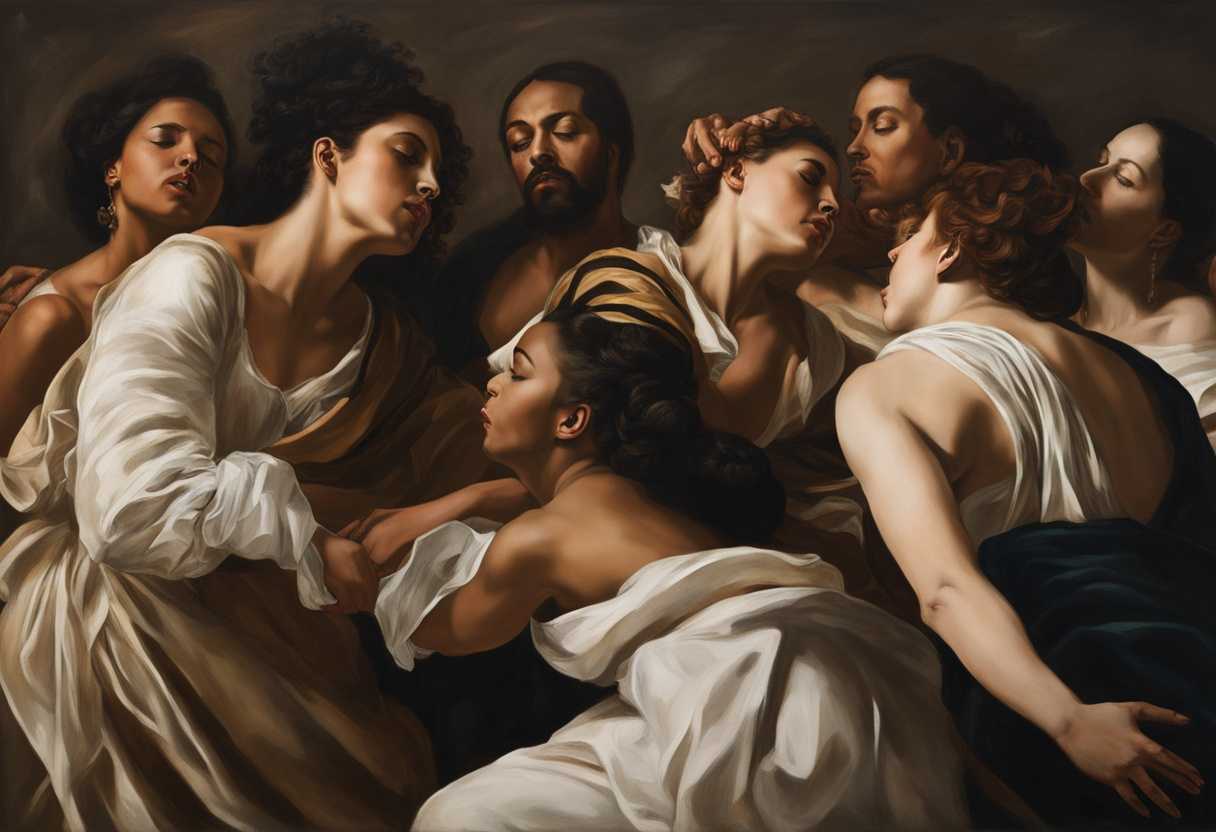
Setting the Scene for Ecclesiastes 3:4-5
In Ecclesiastes chapter 3, verses 4-5, the scene described is a time to weep and a time to laugh, a time to mourn and a time to dance. Picture a small village gathering at the town square, surrounded by simple stone houses and dusty roads. The community has come together for a bittersweet occasion – the wedding of a young couple who have overcome great obstacles to be together.
The bride, Sarah, is a kind-hearted young woman from a humble family, while the groom, David, is a hardworking farmer known for his generosity. Their love story has captured the hearts of the entire village, and as they exchange vows under the shade of a large oak tree, there are tears of joy and laughter mingling in the air. The older members of the community remember their own youth and the struggles they faced, while the children run around, caught up in the excitement of the celebration.
As the ceremony concludes, the mood shifts to a time of mourning as the village elders lead a prayer for those who have passed away, reminding everyone of the fragility of life. But soon, the somber atmosphere gives way to a time of dancing and celebration, with music filling the air and the villagers joining hands to dance in a circle, rejoicing in the present moment and the bonds that unite them.
What is Ecclesiastes 3:4-5 about?
This verse from the book of Ecclesiastes speaks to the ebb and flow of life’s experiences. It reminds us that life is full of contrasts and opposing emotions. There are also moments of joy and laughter, just as there are times of sorrow and tears. The verse presents a dualistic view of life, acknowledging that both happiness and sadness are natural and necessary parts of the human experience.
Have you ever wondered why we experience such a wide range of emotions in our lives? Could it be that without sadness, we would not truly appreciate joy? This verse prompts us to reflect on the balance of our emotions and the importance of embracing both the highs and the lows. It serves as a reminder that no matter what we may be going through, there is a time and a season for every emotion, and ultimately, they all contribute to the richness and fullness of our lives.
Understanding what Ecclesiastes 3:4-5 really means
Ecclesiastes 3:4-5, nestled within the broader context of Ecclesiastes 3:1-8, delves into the intricate tapestry of life’s seasons and the corresponding actions that accompany them. The passage eloquently underscores the cyclical nature of existence, emphasizing the appropriateness of diverse emotions and behaviors at different junctures.
In the poignant phrase “A time to weep, and a time to laugh,” we are reminded of the inherent flux of human emotions. Weeping and laughter, seemingly contrasting, are both vital components of the human experience, each deserving acknowledgment and expression in its designated season. Similarly, “A time to mourn, and a time to dance” encapsulates the spectrum of human responses to life’s vicissitudes, from somber reflection to exuberant celebration.
The imagery of “A time to cast away stones, and a time to gather stones together” invites contemplation on the themes of deconstruction and construction, work and rest. It prompts us to consider the significance of releasing burdens and embracing new beginnings, of clearing obstacles to pave the way for growth. Conversely, the notion of “A time to embrace, and a time to refrain from embracing” underscores the delicate balance in relationships, advocating for discernment in fostering closeness or allowing space as needed.
Drawing parallels with related biblical passages such as Romans 12:15, Psalm 30:5, and 1 Corinthians 13:7, Ecclesiastes 3:4-5 finds resonance in the broader biblical narrative. These verses collectively advocate for empathy, resilience, and the enduring power of love across life’s myriad seasons.
In a contemporary context, Ecclesiastes 3:4-5 serves as a poignant reminder of life’s ever-shifting landscapes, urging individuals to embrace the diverse hues of human experience. In a world marked by haste and noise, this passage offers a compass for navigating the complexities of emotions and actions, fostering a deeper sense of equilibrium and understanding.
Consider the narrative of someone navigating loss, gradually transitioning from mourning to moments of joy and celebration. This personal journey mirrors the wisdom encapsulated in Ecclesiastes 3:4-5, illustrating the organic progression through life’s seasons, each imbued with its unique significance and purpose.
In conclusion, Ecclesiastes 3:4-5 beckons us to honor the intricate dance of life’s rhythms, to find solace in the ebb and flow of emotions, and to trust in the divine orchestration of each season. By embracing the full spectrum of human experiences with grace and mindfulness, we unveil a pathway to profound peace and fulfillment, anchored in the wisdom of the ages.
How can we discern when to weep or laugh?
The verses in Ecclesiastes 3:4-5 talk about different times and seasons in life, where there is a time to weep and a time to laugh, a time to mourn and a time to dance. This passage encourages us to recognize and embrace the various emotions and experiences that come with different moments in our lives.
We can discern when to weep or laugh by being in tune with the seasons of life. There are also times of grief and sorrow, just as there are seasons of joy and celebration. It is important to allow ourselves to feel these emotions fully and authentically, understanding that both weeping and laughter have their place in the human experience. We can discern when to weep or laugh by being sensitive to the circumstances and needs of those around us. Sometimes, we may need to share in the sorrow of others and weep with them, while other times we may be called to bring joy and laughter into their lives. We can navigate the balance between weeping and laughing in a way that is respectful and supportive by being mindful of the emotions and needs of ourselves and those around us.
Application
Think about your life as a series of work projects and family milestones. Ecclesiastes 3:4-5 reminds us there’s a time for everything: joy and sadness, action and reflection. Each phase is like a critical task that shapes who we are. Will you embrace the season you’re in and let it mold you?

Reverend Michael Johnson is an experienced Church Minister with a profound expertise in spirituality and guidance. With a serene presence and a compassionate heart, he has faithfully served his congregation for over 20 years, leading them on a spiritual journey towards inner peace and enlightenment. Reverend Johnson’s extensive knowledge of religious philosophies and profound understanding of human nature have made him a trusted confidant and mentor to many, as he seamlessly weaves his profound wisdom into life teachings. Reverend Johnson’s calming demeanor and empathetic nature continue to uplift and heal souls, nurturing a sense of unity and tranquility within his community.