
Ecclesiastes 6:12 is about the acknowledgment of the limitations of human understanding and the futility of trying to comprehend the unknowable in the grand scheme of life.
12 For who knows what is good for man while he lives the few days of his vain life, which he passes like a shadow? For who can tell man what will be after him under the sun?
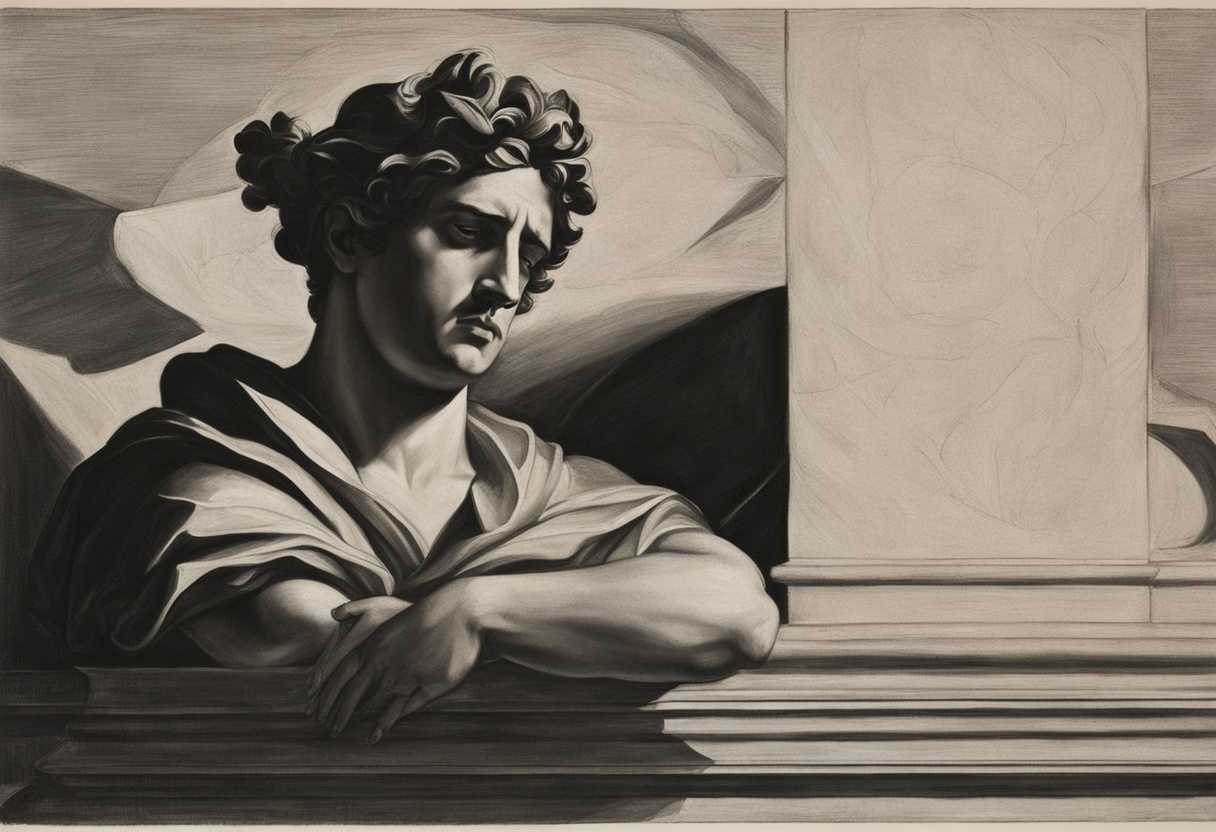
Setting the Scene for Ecclesiastes 6:12
In Ecclesiastes chapter 6, we find King Solomon, known for his wisdom and wealth, pondering the meaning of life and the futility of human existence. The scene is set in the opulent palace of King Solomon in Jerusalem, where he is surrounded by his advisors, scholars, and courtiers. The room is adorned with intricate tapestries, golden candelabras, and luxurious furnishings, reflecting the grandeur of the king’s reign.
As the group sits in a circle, King Solomon, dressed in rich robes and a crown, gestures towards a scroll containing his musings on life. His advisors, including scribes and theologians, listen intently as he expounds on the fleeting nature of human desires and the inevitability of death. The atmosphere is solemn yet contemplative, with the flickering light of oil lamps casting a warm glow over the assembly.
Despite the lavish surroundings and the wisdom of King Solomon, a sense of existential questioning hangs in the air. The king’s words echo the sentiments of Ecclesiastes, reminding those present of the transient nature of earthly pursuits and the ultimate need for a deeper understanding of God’s purpose for humanity. The scene captures a moment of introspection and philosophical inquiry, as the group grapples with the profound mysteries of life and the limitations of human knowledge.
What is Ecclesiastes 6:12 about?
This verse conveys a valuable message about the true worth of wisdom compared to material wealth. It highlights the importance of having wisdom, understanding, and knowledge in making decisions and navigating the complexities of life. While wealth can provide comfort and luxury, it is wisdom that truly empowers us to make choices that lead to fulfillment and well-being. With wisdom, we can discern what truly matters, prioritize our values, and make decisions that align with our deepest desires as we consider the different paths we can take in life. Wealth alone cannot offer the same guidance and insight in contrast. It prompts us to ponder: what good is material abundance if we lack the understanding to use it wisely? How can we truly live a fulfilling life without the wisdom to navigate its challenges and uncertainties? This verse serves as a reminder to prioritize the pursuit of wisdom, as it is the key to living a truly enriching and purposeful life.
Understanding what Ecclesiastes 6:12 really means
Ecclesiastes 6:12 poses a profound question about the meaning and purpose of life, reflecting on the brevity and uncertainty of human existence. This verse is part of the broader theme in Ecclesiastes, where the author, traditionally believed to be Solomon, explores the vanity and fleeting nature of worldly pursuits. In a world obsessed with success, wealth, and status, Ecclesiastes 6:12 serves as a reminder to reflect on what truly matters. The verse encourages individuals to seek deeper meaning and purpose beyond the superficial and temporary aspects of life.
James 4:14 echoes the sentiment of Ecclesiastes, emphasizing the transient nature of life. Psalm 39:5 reinforces the idea of life’s brevity and the futility of human endeavors without God. Matthew 6:19-21 teaches about storing treasures in heaven rather than on earth, aligning with the message in Ecclesiastes about the impermanence of material wealth and achievements. These cross-references provide additional context and insight into the themes of Ecclesiastes 6:12.
Consider a successful businessman who, after achieving great wealth, finds himself feeling empty and unfulfilled. He realizes that his relentless pursuit of material success has cost him meaningful relationships and inner peace. This realization leads him to seek a more balanced and purpose-driven life, focusing on family, community, and spiritual growth. “For who knows what is good for a person in life” highlights human limitations in understanding what truly benefits us. It suggests that our judgment is often clouded by immediate desires and societal pressures.
During the few and meaningless days they pass through like a shadow?” portrays life as fleeting and insubstantial, calling readers to consider the transient nature of their existence and to seek lasting significance. “Who can tell them what will happen under the sun after they are gone?” points to the uncertainty of the future and the futility of trying to control or predict it. It invites readers to trust in God’s sovereignty and to focus on living a life of faith and purpose. Ecclesiastes 6:12 challenges readers to reflect on the true meaning and purpose of their lives, offering timeless wisdom that remains relevant in today’s fast-paced, success-driven society.
What is our purpose in life?
The purpose of our life is to fear God and keep His commandments. We align ourselves with His will and fulfill the ultimate purpose for which we have been created by doing so. This fear of God is not about being afraid of Him, but rather about having a reverence and awe for His greatness and authority in our lives. It guides us in living a righteous and fulfilling life that is pleasing to Him.
When we center our lives around fearing God and keeping His commandments, we find true meaning and fulfillment. Our actions and decisions are guided by a higher purpose, one that transcends the temporary pleasures and pursuits of this world. This purpose gives us a sense of direction, peace, and contentment that can only come from living in harmony with our Creator. We find our true purpose and fulfillment in life through our reverence for God and obedience to His will.
Application
Think about the times at work when projects took unexpected turns or when family plans didn’t go as thought. These moments remind us that control is an illusion. Ecclesiastes 6:12 teaches us to accept the uncertainties of life and trust in a higher plan. Are you ready to let go of your grip and let God’s guidance steer your journey?

Reverend Michael Johnson is an experienced Church Minister with a profound expertise in spirituality and guidance. With a serene presence and a compassionate heart, he has faithfully served his congregation for over 20 years, leading them on a spiritual journey towards inner peace and enlightenment. Reverend Johnson’s extensive knowledge of religious philosophies and profound understanding of human nature have made him a trusted confidant and mentor to many, as he seamlessly weaves his profound wisdom into life teachings. Reverend Johnson’s calming demeanor and empathetic nature continue to uplift and heal souls, nurturing a sense of unity and tranquility within his community.