
Ecclesiastes 9:1-6 is about the uncertain and unpredictable nature of life and death, emphasizing the idea that both the righteous and the wicked face the same fate in the end, highlighting the importance of making the most of life while one has the opportunity.
1 But all this I laid to heart, examining it all, how the righteous and the wise and their deeds are in the hand of God.
2 It is the same for all, since the same event happens to the righteous and the wicked, to the good and the evil, to the clean and the unclean, to him who sacrifices and him who does not sacrifice. As the good one is, so is the sinner, and he who swears is as he who shuns an oath.
3 This is an evil in all that is done under the sun, that the same event happens to all.
4 But he who is joined with all the living has hope, for a living dog is better than a dead lion.
5 For the living know that they will die, but the dead know nothing, and they have no more reward, for the memory of them is forgotten.
6 Their love and their hate and their envy have already perished, and forever they have no more share in all that is done under the sun.
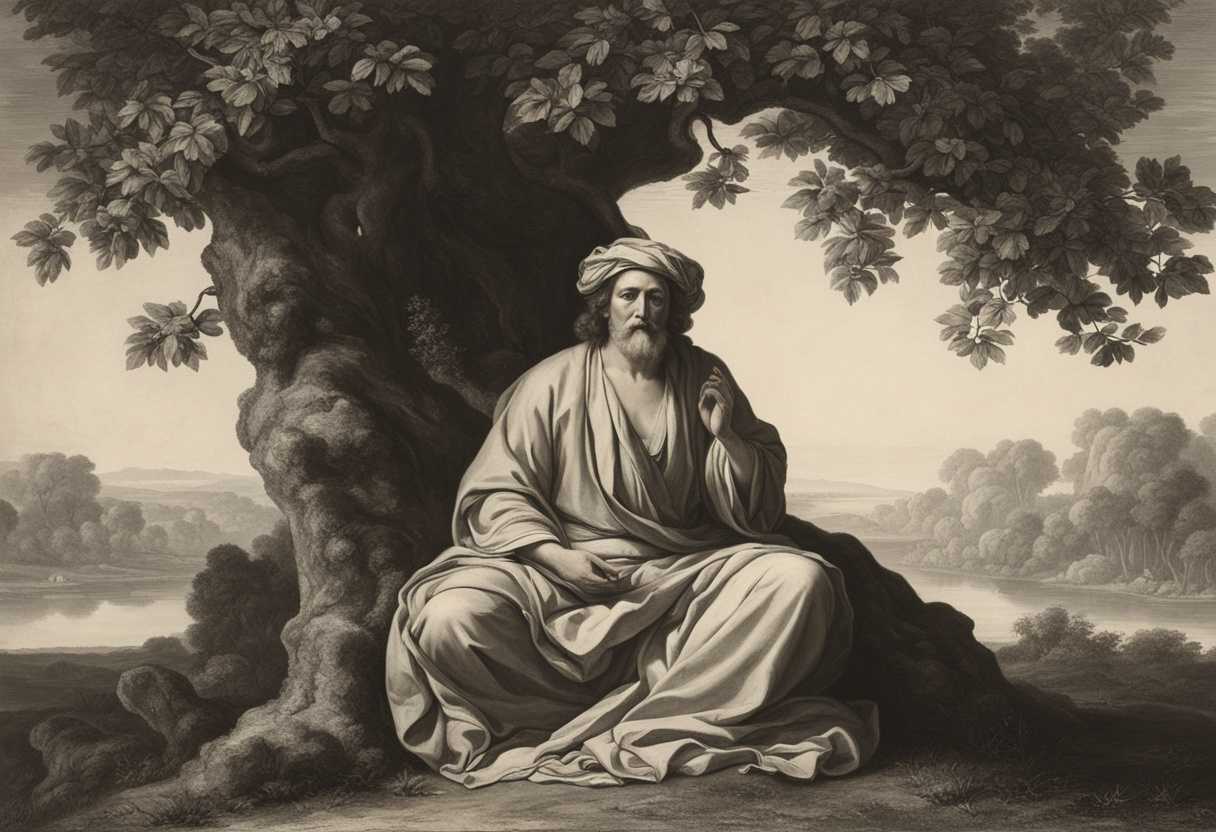
Setting the Scene for Ecclesiastes 9:1-6
In Ecclesiastes 9:1-6, the scene is set in a bustling marketplace in the ancient city of Jerusalem. The marketplace is filled with merchants selling their wares, the aroma of spices and incense wafting through the air, and the sound of bargaining and chatter filling the streets. People from all walks of life have gathered here, from wealthy merchants to humble farmers, all seeking to buy and sell goods.
Among the crowd in the marketplace are King Solomon, known for his wisdom and wealth, and a group of his advisors and courtiers. They have come to the marketplace to observe the daily life of the city and to interact with the common people. As they walk through the marketplace, they engage in conversations with the merchants and townspeople, listening to their concerns and offering advice.
As they move through the marketplace, King Solomon reflects on the fleeting nature of life and the uncertainty of the future, as described in Ecclesiastes 9:1-6. Despite his wealth and power, he understands that all people, both rich and poor, will eventually face the same fate. This scene serves as a reminder of the impermanence of earthly possessions and the importance of living a meaningful and righteous life.
What is Ecclesiastes 9:1-6 about?
Ecclesiastes 9:1-6 reminds us of the unpredictability and fleeting nature of life. The author conveys that both the righteous and the wicked face the same destiny—the uncertainty of life affects everyone. This verse invites us to reflect on the reality that life is filled with unknowns and unexpected twists and turns. It challenges us to ponder how we spend our days and to appreciate the moments we have.
Have you ever contemplated the fact that life is filled with uncertainties that impact us all, regardless of our actions or beliefs? Reflecting on this verse helps us acknowledge that while we cannot control everything that happens to us, we can choose how we respond to life’s uncertainties. It encourages us to focus on gratitude and finding joy in the present moment, despite not knowing what the future holds. How can we shift our perspective to embrace the uncertainty of life rather than fear it? This verse serves as a gentle reminder to savor each day, to cherish relationships, and to live with intention and gratitude.
Understanding what Ecclesiastes 9:1-6 really means
The book of Ecclesiastes, often attributed to King Solomon, delves into the complexities of life and the human experience. Ecclesiastes 9:1-6 specifically confronts the stark reality of death and the shared destiny of all individuals, irrespective of their moral standing. It poignantly underscores the notion that both the righteous and the wicked, along with their actions, ultimately rest in the hands of God, emphasizing His sovereignty over all aspects of life and death. This passage serves as a sobering reminder of the universal fate that awaits every individual, transcending distinctions of virtue or vice.
“The same event happens to the righteous and the wicked,” a powerful statement within Ecclesiastes 9:1-6, underscores the impartiality of death, which befalls all individuals regardless of their righteousness or wickedness. This stark truth challenges readers to contemplate the transient nature of life and the inevitability of mortality. Furthermore, the assertion that “the dead know nothing, and they have no more reward” underscores the finality of death and the cessation of earthly pursuits and rewards upon passing.
Drawing parallels with other biblical passages enriches our understanding of Ecclesiastes 9:1-6. Hebrews 9:27 reinforces the certainty of death and the subsequent divine judgment that follows. Psalm 49:10 echoes the sentiment of the common destiny shared by the wise and the foolish, emphasizing the fleeting nature of earthly distinctions. Romans 6:23 juxtaposes the wages of sin, which is death, with the promise of eternal life through faith in Christ, offering hope beyond the temporal confines of mortality.
In a contemporary context, Ecclesiastes 9:1-6 prompts individuals to reevaluate their priorities and perspectives. It challenges the prevailing societal emphasis on material success and fleeting achievements, urging a shift towards eternal values and spiritual significance. By acknowledging that our lives are ultimately in God’s hands and that death is an inescapable reality, we are encouraged to live purposefully and authentically, guided by a deeper understanding of our eternal destiny.
Consider the narrative of a prosperous businessman who, despite amassing wealth and accolades, found himself grappling with a profound sense of emptiness. A health scare prompted him to reassess his priorities, leading him to a spiritual awakening and a newfound sense of purpose in serving others and nurturing his relationship with God. This anecdote illustrates the transformative power of recognizing the transience of earthly pursuits and embracing a life centered on eternal values and faith.
In conclusion, Ecclesiastes 9:1-6 compels readers to confront the certainty of death and the imperative of living a life aligned with God’s purposes. By internalizing the message that our actions are ultimately accountable to God and that death is a shared fate, we are encouraged to live intentionally, with a focus on eternal significance rather than temporal achievements. This passage serves as a poignant reminder of life’s brevity and the eternal rewards that await those who walk in faith and obedience.
How can we find joy and purpose in life?
Embracing the opportunities and pleasures that come our way is important in seeking joy and purpose in life. Each day is a gift, and we should make the most of it by enjoying the simple things and finding fulfillment in our relationships, work, and passions. We can cultivate a sense of gratitude and contentment that adds richness to our lives by being present in the moment and appreciating the blessings that surround us.
Additionally, finding meaning and purpose can come from serving others and making a positive impact in the world. We fulfill our own sense of purpose by extending kindness, compassion, and generosity to those around us, bringing joy to others in the process. Through acts of service and love, we can create lasting connections and make a difference in the lives of those in need, which can bring deep fulfillment and satisfaction. Recognizing the value of each moment and embracing the opportunities for growth, connection, and contribution is ultimately how one finds joy and purpose in life. We can discover the beauty and meaning that exist in every aspect of our lives by living with intention, gratitude, and a spirit of service, leading to a sense of fulfillment and contentment that transcends circumstances.
Application
Life is a whirlwind of unexpected twists, but don’t let that stall you. Dive into your work with passion and find joy in family moments; these are your true treasures. Remember, even in chaos, there are opportunities waiting for you. God has sprinkled blessings in your daily grind—will you grab them and make today count?

Reverend Michael Johnson is an experienced Church Minister with a profound expertise in spirituality and guidance. With a serene presence and a compassionate heart, he has faithfully served his congregation for over 20 years, leading them on a spiritual journey towards inner peace and enlightenment. Reverend Johnson’s extensive knowledge of religious philosophies and profound understanding of human nature have made him a trusted confidant and mentor to many, as he seamlessly weaves his profound wisdom into life teachings. Reverend Johnson’s calming demeanor and empathetic nature continue to uplift and heal souls, nurturing a sense of unity and tranquility within his community.