
21 Then the Lord said to Moses, “Stretch out your hand toward heaven, that there may be darkness over the land of Egypt, a darkness to be felt.”
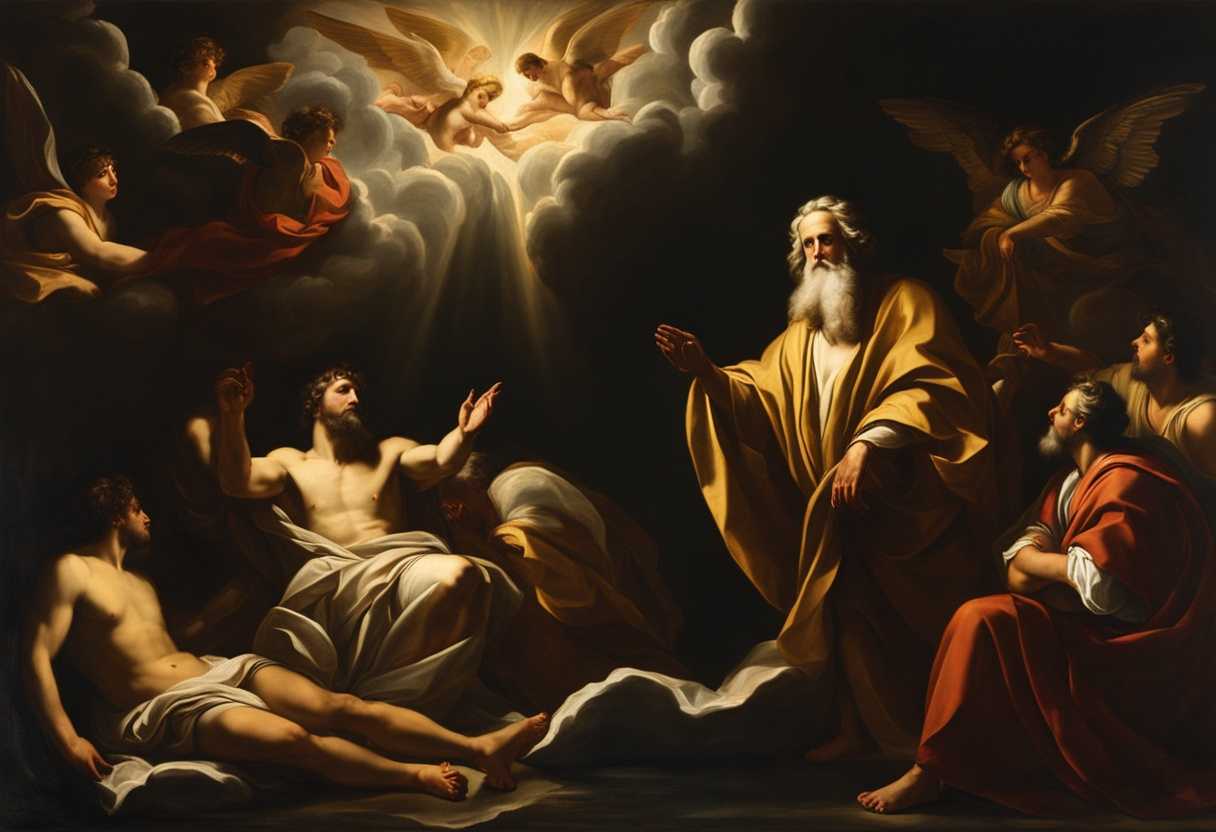
Setting the Scene for Exodus 10:21
In Exodus chapter 10, we find ourselves in the land of Egypt during the time of the ten plagues. Pharaoh, the ruler of Egypt, has repeatedly refused to let the Israelites go despite the warnings and demonstrations of God’s power through the plagues. The scene is set in the royal palace, where Pharaoh sits on his throne surrounded by his advisors and court officials. The air is heavy with tension and the stench of the previous plagues that have afflicted the land.
Moses and Aaron, the messengers of God, stand before Pharaoh once again, pleading with him to release the Israelites from slavery. The room is dimly lit, as darkness has covered the land for three days, a darkness so thick that it can be felt. The only source of light comes from the flickering torches held by the guards standing at attention around the room. Pharaoh’s face is etched with stubbornness and defiance, his eyes reflecting the fear and anger that have consumed him.
As Moses speaks the words of God, demanding freedom for his people, the tension in the room reaches its peak. The darkness outside seems to seep into the hearts of those present, mirroring the spiritual darkness that has enveloped Pharaoh’s soul. The scene is a stark reminder of the power struggle between the will of man and the sovereignty of God, a battle that will ultimately lead to the liberation of the Israelites and the downfall of Pharaoh and his kingdom.
What is Exodus 10:21 about?
Oh, the darkness that engulfed Egypt for three long days during the ninth plague. Can you even imagine the fear and confusion that must have gripped the land as the sun disappeared and darkness descended upon them? This darkness was not just a physical absence of light but also symbolic of the spiritual darkness and despair that the Egyptians were facing due to their stubbornness and refusal to let the Israelites go. The power of God’s judgment and the consequences of disobedience are seen in this verse. The darkness serves as a stark reminder of the consequences of turning away from God and the light He offers. It also highlights the contrast between light and dark, good and evil, obedience and rebellion. The darkness in this plague was not just a physical phenomenon but a spiritual lesson for both the Egyptians and the Israelites to recognize and submit to the ultimate authority of God. Let us reflect on the significance of this verse and contemplate our own actions and choices. Are we walking in the light of God’s truth and following His commandments, or are we allowing darkness to cloud our hearts and minds? Let us learn from the story of the ninth plague and strive to always seek the light of God’s love and guidance in our lives.
Understanding what Exodus 10:21 really means
Commentary Structure
- Introduction to the Verse
- Context within the Broader Narrative
- Detailed Analysis of Key Phrases
- Connections to Other Biblical Passages
- Relevance for Today
- Personal Anecdote
- Closing Reflection
Introduction to the Verse
Exodus 10:21 recounts one of the most dramatic and terrifying of the ten plagues inflicted upon Egypt: the plague of darkness. This event exemplifies God’s power and serves as a pivotal moment in the story of the Israelites’ exodus from Egyptian bondage.
Context within the Broader Narrative
Understanding this verse requires recognizing its place among the plagues that God used to compel Pharaoh to release the Israelites. This particular plague, the ninth, comes after a series of devastating strikes against Egypt, each escalation reinforcing God’s might and Pharaoh’s stubbornness. This event serves as a prelude to the final plague, the death of the firstborn, indicating that a climax in God’s actions is imminent.
Detailed Analysis of Key Phrases
The phrase “stretch out your hand toward the sky” is a directive from God to Moses. It symbolizes a divine command that transcends human ability, emphasizing that Moses acts as an instrument of God’s will. Meanwhile, “darkness that can be felt” indicates a supernatural occurrence beyond a mere absence of light. This darkness was tangible, oppressive, representing the spiritual and moral blindness of Egypt under Pharaoh’s rule.
Connections to Other Biblical Passages
This plague of darkness has resonances with various other Bible passages that use light and darkness as metaphors. We see the ultimate triumph of God’s presence and truth over ignorance and evil in John 1:5, where the light shines in the darkness, and the darkness has not overcome it. Isaiah 60:2 also speaks of darkness covering the earth but promises that the Lord will rise upon His people. These connections underline the transformative power of God’s light in dispelling darkness, both literal and metaphorical. Periods of metaphorical darkness in our contemporary lives can likewise feel oppressive and paralyzing, whether due to personal struggle, societal injustice, or global crisis. Just as the Israelites awaited deliverance, we look to God for guidance and hope in our darkest times. This passage reminds us that God’s power can penetrate even the most impenetrable darkness, illuminating paths and offering redemption.
Personal Anecdote
A few years ago, I spoke with a member of our congregation who had experienced a profound period of depression and despair. She described her emotional state as a “darkness that could be felt.” During this time, the verse from Exodus offered her solace, as she felt that God understood her plight and was capable of guiding her through it. Her eventual emergence from that dark period affirmed her faith in God’s enduring light. We are called to recognize both the severity of divine judgment and the hope inherent in God’s transformative power when reflecting on Exodus 10:21. The darkness that fell upon Egypt was a physical manifestation of spiritual realities, reminding us that God’s presence can turn even the darkest circumstances into opportunities for growth and liberation. How can we, in our own lives, remain open to God’s light in moments of deep darkness? This is a question that invites ongoing exploration and faith.
How can we seek the light in darkness?
We can seek the light in darkness by acknowledging that darkness is part of life. Just as after darkness comes light, every challenge we face has the potential to lead us to growth and transformation. We can find the inner strength and resilience to navigate through the darkness by accepting it as a natural part of our journey.
Additionally, seeking the light in darkness can involve practicing gratitude and mindfulness. We can shift our perspective from what is lacking to what is abundant in our lives by focusing on the present moment and being grateful for the blessings we have. This shift in mindset can bring a sense of peace and optimism even in the midst of difficult times. Having faith and trust in a higher power or purpose is ultimately involved in seeking the light in darkness. We can find the inner guidance and comfort needed to navigate through the darkness towards the light by turning to our spirituality and seeking guidance through prayer, meditation, or connection with our higher self.
Application
Think of those tough days at work or the challenge of balancing family life – it’s easy to feel overwhelmed by darkness. Just like a single desk lamp can light up a whole room, you have the power to brighten someone’s day. Will you let God’s light shine through you and be that beacon of hope in a crowded office or bustling home? Step up and bring that light today. Will you be the change your world desperately needs?

Reverend Michael Johnson is an experienced Church Minister with a profound expertise in spirituality and guidance. With a serene presence and a compassionate heart, he has faithfully served his congregation for over 20 years, leading them on a spiritual journey towards inner peace and enlightenment. Reverend Johnson’s extensive knowledge of religious philosophies and profound understanding of human nature have made him a trusted confidant and mentor to many, as he seamlessly weaves his profound wisdom into life teachings. Reverend Johnson’s calming demeanor and empathetic nature continue to uplift and heal souls, nurturing a sense of unity and tranquility within his community.