
Exodus 10:3-6 is about God using the plagues in Egypt as a demonstration of His power and sovereignty over all creation, to ultimately bring about the redemption and liberation of His chosen people, the Israelites.
3 So Moses and Aaron went in to Pharaoh and said to him, “Thus says the Lord, the God of the Hebrews, ‘How long will you refuse to humble yourself before me? Let my people go, that they may serve me.
4 But if you refuse to let my people go, behold, tomorrow I will bring locusts into your country,
5 They shall cover the face of the land, so that no one can see the land. And they shall eat what is left to you after the hail, and they shall eat every tree of yours that grows in the field,
6 And they shall fill your houses and the houses of all your servants and of all the Egyptians, as neither your fathers nor your grandfathers have seen, from the day they came on earth to this day.’” Then he turned and went out from Pharaoh.
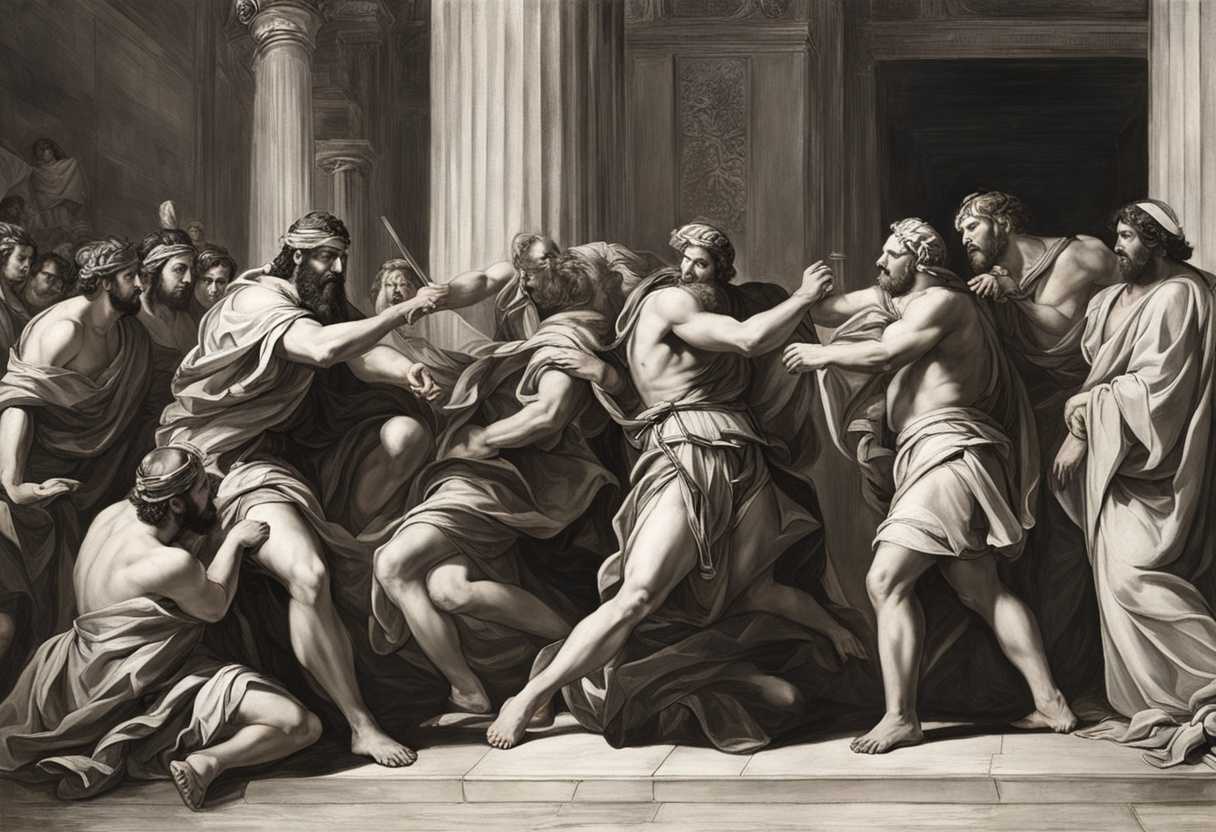
Setting the Scene for Exodus 10:3-6
In Exodus chapter 10, we find Moses and Aaron standing before Pharaoh in the grand throne room of the Egyptian palace. The room is adorned with intricate hieroglyphics and golden decorations, reflecting the wealth and power of the Pharaoh. Pharaoh, seated on his ornate throne, is surrounded by his advisors and court officials, all dressed in luxurious garments.
Moses, with his staff in hand, and Aaron, his brother, are there to deliver a message from the God of the Israelites. They stand tall and resolute, despite the intimidating presence of Pharaoh and his entourage. The tension in the room is palpable as Moses speaks with authority, demanding the release of the Israelite slaves. Pharaoh, stubborn and defiant, refuses to heed their words, leading to a series of plagues descending upon Egypt.
As the scene unfolds, the clash of wills between Moses and Pharaoh sets the stage for the dramatic events that will follow, ultimately culminating in the liberation of the Israelites from their bondage in Egypt.
What is Exodus 10:3-6 about?
This verse is a powerful reminder of God’s ultimate authority and power over all nations and peoples. The plagues mentioned here were not just random acts of destruction; they were a display of God’s sovereignty and a means of showing His power to the Egyptian people and ultimately to the entire world. Through these plagues, God demonstrated that He is the one true God and that all other powers are subject to His will. Think about the context in which these events occurred as you reflect on this verse. Consider how these plagues impacted the Israelites, the Egyptians, and future generations who would hear these stories. How does this display of God’s power challenge you to trust in His sovereignty and authority in your own life? How can you apply the lessons from this verse to situations where you may feel powerless or overwhelmed? Let this verse be a reminder that no matter the circumstances, God is in control and His power is unmatched.
Understanding what Exodus 10:3-6 really means
The Book of Exodus recounts the Israelites’ enslavement in Egypt and their eventual liberation led by Moses. In Exodus 10:3-6, Moses and Aaron confront Pharaoh, delivering a message from God warning of an impending plague of locusts if he does not release the Israelites. The phrase “How long will you refuse to humble yourself before me?” highlights Pharaoh’s pride and stubbornness, central themes in the narrative. Pharaoh’s refusal to acknowledge God’s authority is a stark reminder of the dangers of pride.
“Let my people go, so that they may worship me,” emphasizes the purpose of the Israelites’ liberation: to worship God freely. This statement underscores the importance of spiritual freedom and the significance of prioritizing worship over worldly concerns. The warning of bringing locusts into the country serves as a direct consequence of disobedience, symbolizing devastation and the power of God’s judgment. The imagery of locusts conveys the severity of the situation and the repercussions of defying God’s will.
In Proverbs 16:18, we are reminded that “Pride goes before destruction, a haughty spirit before a fall,” reinforcing the message of Exodus about the perils of pride. James 4:10 further emphasizes the call to humility, promising God’s favor to those who humble themselves before Him. These verses from different parts of the Bible echo the timeless struggle between pride and humility, offering guidance on the path to righteousness.
The relevance of this passage to contemporary life is striking. Many individuals today grapple with pride, which can hinder them from making sound decisions. The call to prioritize spiritual well-being over material or political power remains pertinent in a world filled with distractions. The narrative of Pharaoh serves as a cautionary tale, illustrating the consequences of refusing to humble oneself before God and others.
Consider a successful businessperson who lets pride cloud their judgment, leading to poor decisions and setbacks. Only when they humble themselves and seek guidance do they find a way to recover and grow. This anecdote mirrors Pharaoh’s situation, demonstrating the importance of humility in avoiding unnecessary hardship. Exodus 10:3-6 serves as a poignant reminder of the significance of humility, obedience to God, and the repercussions of pride. It prompts us to reflect on our own lives and consider where we may need to humble ourselves and seek divine guidance.
How can we humble ourselves before God?
We can humble ourselves before God by recognizing His authority and power over all things. This involves acknowledging that God is sovereign and deserves our reverence and obedience. By placing ourselves in a position of submission and humility before Him, we do so.
Additionally, we can humble ourselves before God by confessing our sins and shortcomings. This involves recognizing our own weaknesses and imperfections, and seeking forgiveness and guidance from God. Humility in acknowledging our own faults allows us to open our hearts to God’s mercy and grace. Practicing acts of service and kindness towards others can also be a way to humble ourselves before God. We reflect the love and compassion of God in our lives by demonstrating selflessness and generosity towards those around us. This not only fosters humility within ourselves but also strengthens our connection with God and our fellow human beings.
Application
Harness the power of Exodus 10:3-6 for your life journey. Embrace the divine authority and guidance that envelops us. Reflect on where you may be veering from the path set by Him. Are you aligning your actions with His word and will? Let us all stand tall in our resolve and walk with Him. Will you forge an unbreakable bond with the Almighty today?

Reverend Michael Johnson is an experienced Church Minister with a profound expertise in spirituality and guidance. With a serene presence and a compassionate heart, he has faithfully served his congregation for over 20 years, leading them on a spiritual journey towards inner peace and enlightenment. Reverend Johnson’s extensive knowledge of religious philosophies and profound understanding of human nature have made him a trusted confidant and mentor to many, as he seamlessly weaves his profound wisdom into life teachings. Reverend Johnson’s calming demeanor and empathetic nature continue to uplift and heal souls, nurturing a sense of unity and tranquility within his community.