
Exodus 13:15 is about the importance of remembering the divine intervention and deliverance of God in times of hardship and the duty to honor and commemorate these blessings through rituals and sacrifices.
15 For when Pharaoh stubbornly refused to let us go, the Lord killed all the firstborn in the land of Egypt, both the firstborn of man and the firstborn of animals. Therefore I sacrifice to the Lord all the males that first open the womb, but all the firstborn of my sons I redeem.’
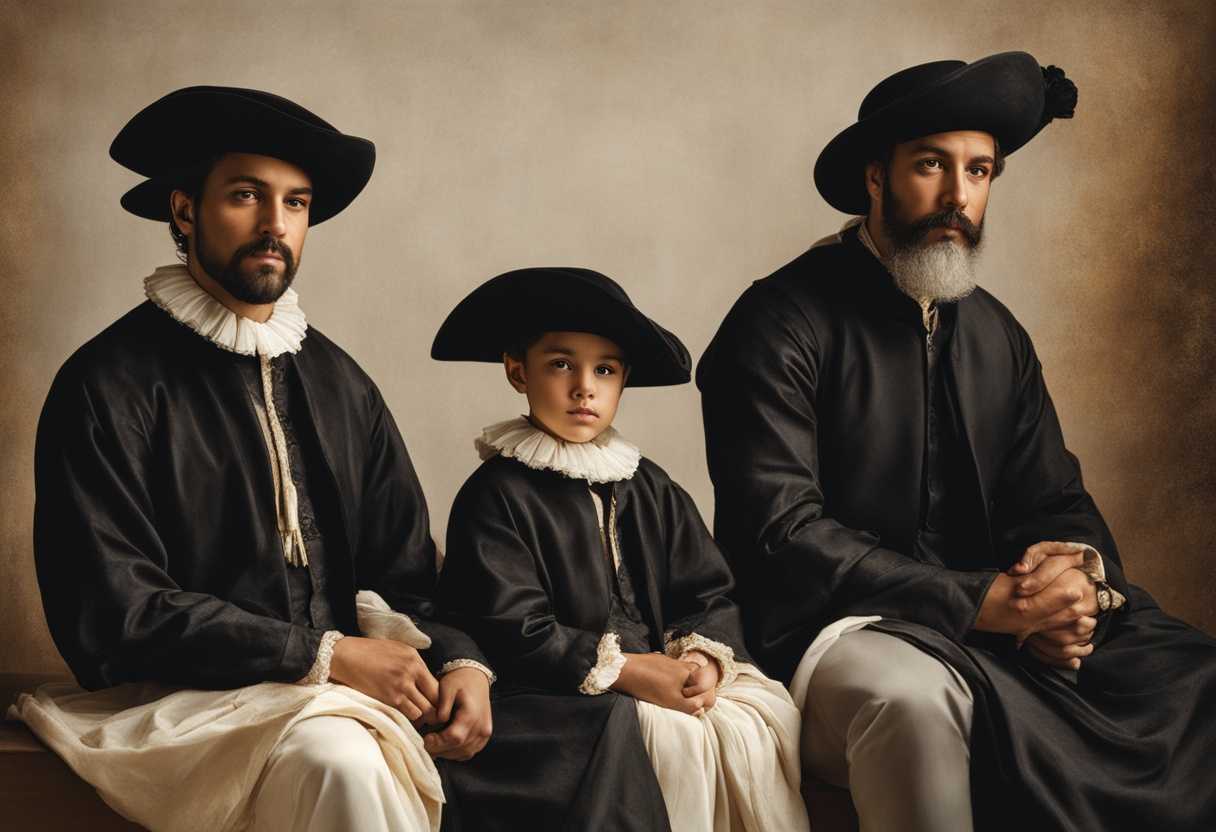
Setting the Scene for Exodus 13:15
In Exodus 13:15, we find Moses and the Israelites in the wilderness after their miraculous escape from Egypt. The scene is set in the vast desert, with the scorching sun beating down on the group as they make their way towards the Promised Land. The Israelites are weary from their journey but filled with hope for the future.
Moses, the leader chosen by God, stands at the forefront, his staff in hand, guiding the people through the harsh terrain. The Israelites, a mix of men, women, and children, follow closely behind, their belongings strapped to their backs. The atmosphere is one of both uncertainty and faith, as they trust in God’s promise to lead them to a land flowing with milk and honey.
As they rest for a moment to catch their breath, Moses takes a moment to reflect on the incredible events that have brought them to this point. The parting of the Red Sea, the plagues that befell Egypt, and the provision of manna from heaven are all fresh in their minds. Despite the challenges ahead, they are filled with gratitude for God’s faithfulness and provision thus far.
What is Exodus 13:15 about?
Pharaoh’s hardened heart led to devastating consequences for the people of Egypt in this verse from the book of Exodus. The verse highlights the severity of the situation and demonstrates the power and authority of the Lord over all creation. Pharaoh directly defied the will of God by refusing to let the Israelites go, ultimately resulting in a tragic outcome for the Egyptian people.
Let’s reflect on the implications of this verse. What does it teach us about the consequences of disobedience and the importance of heeding God’s commands? How does it reveal the depths of God’s justice and sovereignty? We are encouraged to consider the weight of our actions and the impact they can have on ourselves and those around us as we ponder these questions. This verse serves as a powerful reminder of the consequences of resisting God’s will and the importance of humility and obedience in our relationship with Him.
Understanding what Exodus 13:15 really means
In Exodus 13:15, we encounter a poignant command from God to the Israelites, instructing them to consecrate every firstborn to Him as a perpetual reminder of their deliverance from the bondage of Egypt. This directive is deeply rooted in the historical context of the final plague in Egypt, where the firstborn of the Egyptians faced divine judgment, while the Israelites, marked by the blood of the lamb, were spared from this calamity. The act of consecrating the firstborn symbolizes a tangible expression of gratitude and acknowledgment of God’s saving grace in their lives.
This verse finds resonance in related passages such as Exodus 12:29-30, which vividly recounts the events of the final plague and the subsequent release of the Israelites from captivity. Numbers 3:13 reaffirms God’s claim over all the firstborn in Israel, underscoring the significance of this consecration practice. Even in the New Testament, Luke 2:23 references the law requiring the consecration of every firstborn male to the Lord, highlighting the continuity of this tradition across generations.
The enduring relevance of Exodus 13:15 extends to contemporary believers, urging us to reflect on the themes of remembrance, gratitude, and dedication to God. Just as the Israelites were called to consecrate their firstborn as a reminder of God’s faithfulness, we are prompted to consider how we can dedicate the “first fruits” of our lives to honor and serve the Lord. This act of consecration symbolizes our trust in God’s provision and our willingness to prioritize Him above all else.
Delving into the meaningful phrases within the verse, we encounter powerful imagery that underscores God’s sovereignty and the Israelites’ response of obedience and reverence. The phrase “The LORD slew all the firstborn in the land of Egypt” serves as a stark reminder of God’s judgment and deliverance, showcasing His unmatched power and authority. The subsequent declaration of sacrificing all firstborn males to the Lord signifies a tangible act of consecration, acknowledging God’s ownership and the Israelites’ indebtedness for their salvation.
Practically applying the principles encapsulated in Exodus 13:15 invites us to engage in personal reflection and communal practices that foster a culture of gratitude and dedication to God. Consider what aspects of your life you can offer as a “firstborn” gift to the Lord, whether it be your time, talents, or resources. Encourage your community to join in remembrance and celebration of God’s deliverance, cultivating a spirit of thankfulness and commitment in all aspects of life. By internalizing the essence of this verse, we can cultivate a deeper sense of gratitude and devotion to God, enriching our spiritual journey and strengthening our relationship with the Almighty.
How can we dedicate our firstborn to God?
Moses instructs the Israelites in Exodus 13:15 to dedicate their firstborn to God as a way of acknowledging His deliverance and protection during the time of the plagues in Egypt. The Israelites were showing their gratitude and commitment to God by dedicating their firstborn. This act symbolized their recognition that all blessings and provisions come from God, and that they were willing to surrender their most precious possession as an offering to Him.
To dedicate our firstborn to God today, we can follow the spiritual principle behind this commandment. Instead of a physical dedication, we can commit to raising our children in the ways of the Lord, teaching them His commandments and showing them the love and grace of God. We can also dedicate our first and best efforts in serving and honoring God in all aspects of our lives, including our work, relationships, and resources. We essentially dedicate our firstborn to Him in a spiritual sense by prioritizing God in all that we do. We ultimately dedicate our firstborn to God as a symbolic gesture of our trust and faith in Him. It is a reminder that God is the ultimate provider and protector in our lives, and that we are called to live in obedience and reverence towards Him. We honor God and acknowledge His sovereignty over our lives by dedicating our first and best to Him.
Application
Reflect on the amazing things that have happened in your life – the victories, the moments of joy – and remember who was guiding you all along. It’s time to acknowledge and appreciate the ones who have been helping you, cheering you on, and making your journey a little easier. Take a moment to give credit where credit is due, and show your gratitude in both words and actions. How will you make today a day to remember the ones who have always been there for you?

Reverend Michael Johnson is an experienced Church Minister with a profound expertise in spirituality and guidance. With a serene presence and a compassionate heart, he has faithfully served his congregation for over 20 years, leading them on a spiritual journey towards inner peace and enlightenment. Reverend Johnson’s extensive knowledge of religious philosophies and profound understanding of human nature have made him a trusted confidant and mentor to many, as he seamlessly weaves his profound wisdom into life teachings. Reverend Johnson’s calming demeanor and empathetic nature continue to uplift and heal souls, nurturing a sense of unity and tranquility within his community.