
Exodus 20:1-3 is about emphasizing the exclusivity and singularity of the relationship between God and His people, instructing them to have no other gods before Him.
1 And God spoke all these words, saying,
2 “I am the Lord your God, who brought you out of the land of Egypt, out of the house of slavery.
3 “You shall have no other gods before me.
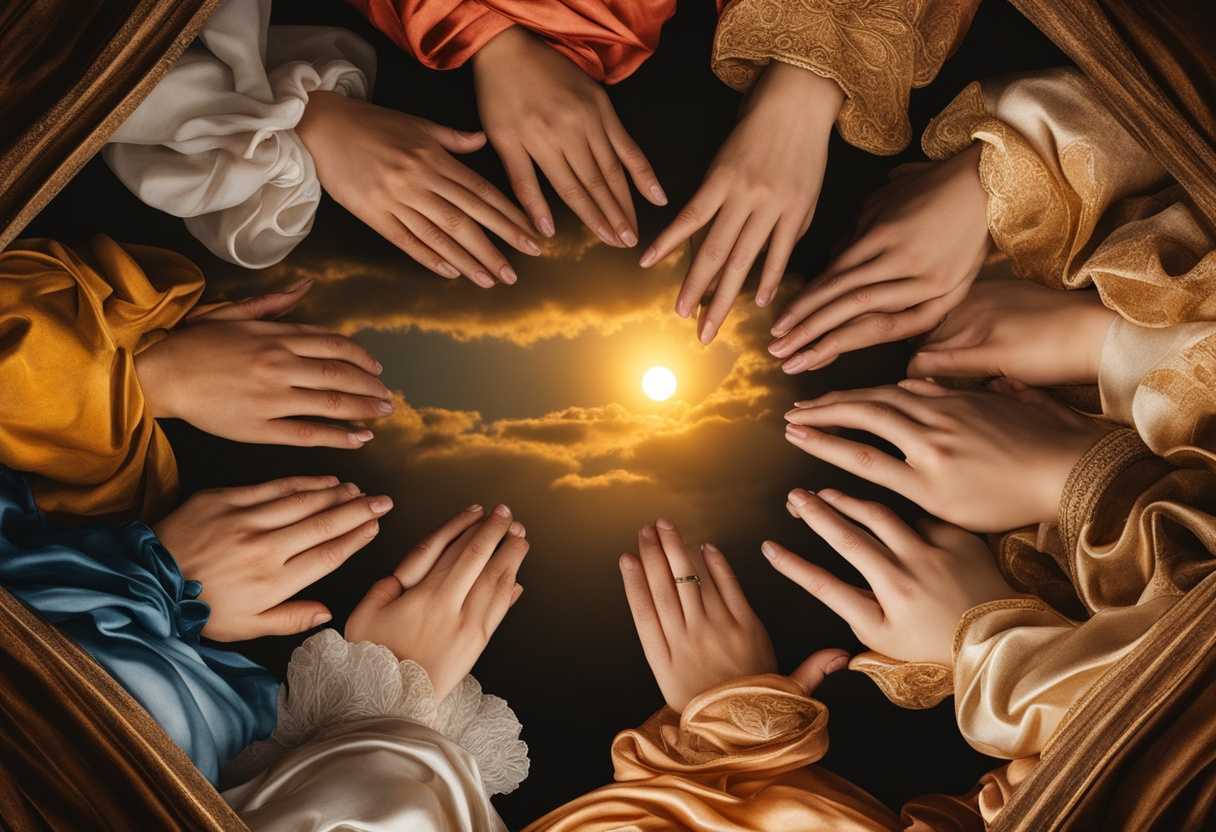
Setting the Scene for Exodus 20:1-3
The scene in Exodus 20:1-3 takes place at the foot of Mount Sinai, where the Israelites have just been led out of Egypt by Moses. The Israelites have been traveling through the wilderness for some time now, following Moses as he leads them towards the Promised Land. As they camp at the base of the mountain, a sense of anticipation and awe fills the air, as they know that something significant is about to happen.
Moses, the revered leader of the Israelites, ascends the mountain to meet with God. The people gather at the foot of the mountain, eagerly awaiting his return. As Moses stands in the presence of God, he receives the Ten Commandments, which are to serve as the foundation of the Israelites’ covenant with God. The atmosphere is charged with holiness and reverence as the people witness the powerful display of God’s presence on the mountain.
The Israelites, a vast multitude of men, women, and children, stand in awe as Moses descends from the mountain, carrying the stone tablets inscribed with the commandments. The scene is set against the backdrop of the towering Mount Sinai, with its rugged cliffs and the sound of thunder echoing in the distance. The people are filled with a mixture of fear and wonder as they prepare to receive the divine laws that will guide their lives and their relationship with God.
What is Exodus 20:1-3 about?
The passage in Exodus 20:1-3 highlights the foundational importance of acknowledging God’s sovereignty, power, and exclusivity. God starts the Ten Commandments by establishing His ultimate authority over His people and all creation. God sets the stage for presenting the divine principles that are essential for a harmonious relationship between humanity and Him by proclaiming, “I am the Lord your God.”
This verse is a reminder of the foundational principle in the Judeo-Christian tradition that God is the supreme and only deity deserving of worship and obedience. It prompts us to reflect on where we place our allegiances, priorities, and reverence. God challenges us to examine whether we place anything or anyone above Him in our lives by asserting His exclusivity. This verse encourages introspection and a reevaluation of our beliefs, actions, and values to ensure they align with God’s divine authority. We are invited to reflect on the implications of God’s exclusivity in our lives as we ponder on the significance of this verse. Do we recognize God as the ultimate authority in our decision-making and daily interactions? How does acknowledging God’s sovereignty shape our attitudes towards worship and obedience? We are called to reaffirm our commitment to God’s supremacy and renew our dedication to living in alignment with His commandments by contemplating the profound message of Exodus 20:1-3.
Understanding what Exodus 20:1-3 really means
The verse Exodus 20:1-3 marks the beginning of the Ten Commandments, a foundational text in Judeo-Christian ethics, setting the stage for understanding the relationship between God and His people. Delivered to Moses on Mount Sinai, these commandments were given to guide the Israelites, with the historical context involving their escape from slavery in Egypt, symbolizing liberation and a new covenant with God. The phrase “I am the Lord your God” establishes God’s authority and identity, reminding the Israelites of their unique relationship with Him, while “Who brought you out of Egypt, out of the land of slavery” emphasizes God’s role as a deliverer and savior, highlighting His power and compassion. The commandment “You shall have no other gods before me” calls for exclusive devotion to God, rejecting idolatry and polytheism.
In Deuteronomy 6:4-5, the call for exclusive devotion to God is reinforced, with the passage emphasizing loving the Lord with all one’s heart, soul, and strength. Similarly, in Matthew 22:37-38, Jesus reiterates the importance of loving God with one’s entire being, aligning with the first commandment’s message. In today’s world filled with distractions and competing priorities, this commandment challenges individuals to maintain a focused and committed relationship with God, addressing modern forms of idolatry such as materialism, career obsession, and misplaced priorities in relationships over spiritual devotion.
Consider a scenario where a person prioritized their career over all else, neglecting family and spiritual life until a health scare prompted a reevaluation. This individual rediscovered peace and purpose in their relationship with God, highlighting the call to prioritize God above all else. The first commandment serves as a call to recognize and honor God’s sovereignty, placing Him at the center of our lives, reminding believers of His deliverance and the call to exclusive devotion. This commandment remains relevant and transformative, urging individuals to reevaluate their priorities and commit to a devoted relationship with God in a world full of distractions and competing idols.
What or who do we place above God?
God emphasizes the importance of having no other gods before Him in the passage. Placing anything or anyone above God goes against His commandments and His position as the ultimate authority and Creator. We are essentially giving other things or individuals more power and influence in our lives than God deserves by prioritizing them above Him.
It is a reminder to always keep God at the center of our lives and to not let anything else take His place. Placing our desires, possessions, or relationships above God can lead to idolatry, which ultimately hinders our relationship with Him. We align our lives with God’s will and experience the fullness of His blessings and presence by recognizing His supreme position and seeking to honor and obey Him above all else.
Application
Just as we prioritize work and family in our daily lives, let us also prioritize our relationship with our Almighty Creator. Let’s make sure that God holds the highest place in our hearts and minds. It’s time to not just talk the talk but walk the walk by truly worshiping and serving only the one true God. Will you rise to this sacred challenge and pledge your whole self to the Lord?

Reverend Michael Johnson is an experienced Church Minister with a profound expertise in spirituality and guidance. With a serene presence and a compassionate heart, he has faithfully served his congregation for over 20 years, leading them on a spiritual journey towards inner peace and enlightenment. Reverend Johnson’s extensive knowledge of religious philosophies and profound understanding of human nature have made him a trusted confidant and mentor to many, as he seamlessly weaves his profound wisdom into life teachings. Reverend Johnson’s calming demeanor and empathetic nature continue to uplift and heal souls, nurturing a sense of unity and tranquility within his community.