
Exodus 20:21 is about God drawing near to His people, wanting them to not be afraid of His presence but to receive His guidance and instruction with reverence and trust.
21 The people stood far off, while Moses drew near to the thick darkness where God was.
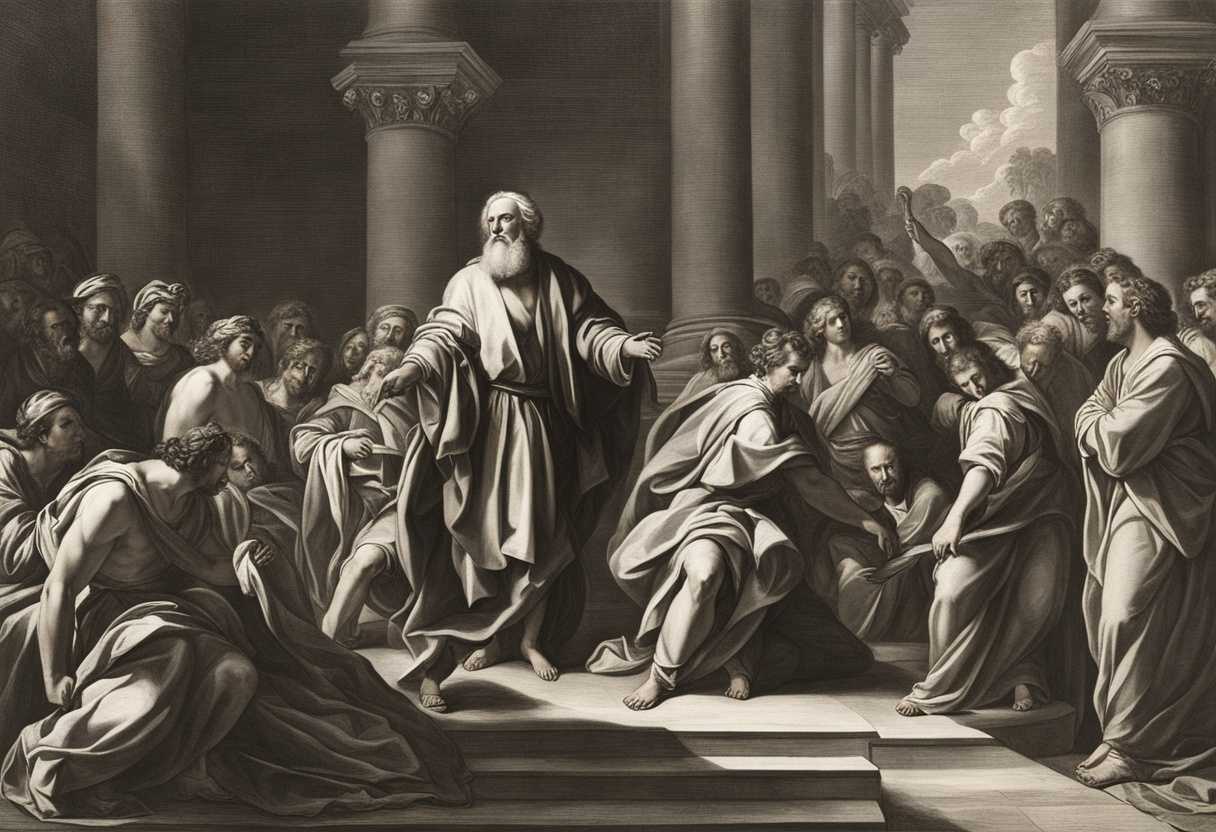
Setting the Scene for Exodus 20:21
The scene in Exodus 20:21 takes place at the foot of Mount Sinai, shortly after Moses received the Ten Commandments from God. The Israelites had been led out of Egypt by Moses and had witnessed many miraculous events, including the parting of the Red Sea. As they camped at the base of the mountain, they were in awe of the power and presence of God.
In this particular moment, Moses is standing before the people, acting as an intermediary between them and God. The Israelites are gathered around, their faces filled with a mixture of fear and reverence. The mountain is shrouded in a thick cloud, with thunder and lightning flashing around it, signifying the presence of God. The atmosphere is charged with a sense of holiness and divine power, as the people await further instructions from Moses on how to live according to God’s commandments.
As Moses approaches the thick darkness where God is, the people stand back, feeling a mixture of fear and awe at the sight before them. They understand the importance of this moment and the gravity of the commandments that have been given to them. The scene is one of solemnity and reverence, as the Israelites come to terms with the covenant they are entering into with God.
What is Exodus 20:21 about?
Moses daringly steps into the mysterious and intimidating presence of God, symbolized by the thick darkness in this verse. This act demonstrates Moses’ genuine faith and unwavering determination to seek and commune with God, even in the midst of darkness and uncertainty. Moses shows his trust in God’s guidance and presence by courageously moving towards the darkness where God was believed to be. This verse highlights the powerful message that true faith often requires us to step into the unknown, trusting that God is there waiting for us.
Reflecting on this verse, we can ask ourselves: Do we have the same boldness and faith as Moses to approach God even in the midst of darkness and uncertainty? Are we willing to step out of our comfort zones and venture into the unknown to seek a deeper connection with the divine? Just like Moses, we are encouraged to trust in God’s presence even when things may seem dark or unclear. This verse reminds us that God is always with us, even in the darkest moments of our lives, ready to guide us and reveal Himself to those who earnestly seek Him. So let us be inspired by Moses’ example and approach the “thick darkness” in our own lives with faith, courage, and trust in God’s unwavering love and light.
Understanding what Exodus 20:21 really means
In the narrative of the Israelites receiving the Ten Commandments at Mount Sinai, Exodus 20:21 stands out as a pivotal moment. Following the giving of the commandments, this verse captures the people’s response to the overwhelming presence of God. The phrase “The people remained at a distance” vividly portrays the awe and fear that gripped the Israelites in the face of God’s holiness. It serves as a poignant reminder of the reverence we should hold for the Almighty.
Contrasting the people’s hesitation, Moses’s boldness is highlighted as he courageously approaches the thick darkness where God resided. This act symbolizes Moses’s unique role as a mediator between God and the people, showcasing his unwavering faith and dedication. The imagery of Moses venturing into the darkness to commune with God underscores the importance of having individuals who bridge the gap between humanity and the divine.
Drawing parallels with related biblical passages such as Exodus 19:16-19, Hebrews 12:18-21, and 1 Timothy 2:5, we see a consistent theme of reverence, mediation, and access to God. These passages collectively emphasize the significance of approaching God with both fear and confidence, acknowledging His holiness while embracing the mediation provided through figures like Moses and ultimately Jesus Christ.
In today’s world, where the sacred is often diminished or overlooked, Exodus 20:21 serves as a poignant reminder of the reverence we should maintain in our relationship with God. Just as the Israelites stood in awe at a distance, we are called to approach God with humility and respect, recognizing His holiness and our need for a mediator. Jesus Christ, as the ultimate mediator, bridges the gap between humanity and divinity, offering us direct access to the Father.
Consider a scenario where a child, feeling unworthy and fearful, hesitates to approach a loving yet stern parent after making a mistake. In this analogy, the older sibling represents the mediator who understands both the parent’s love and the child’s apprehension, facilitating reconciliation. Similarly, Moses mediated for the Israelites, and Jesus continues to intercede on our behalf, bringing us closer to God despite our shortcomings.
Reflect on moments when fear or feelings of unworthiness have kept you at a distance from God. Contemplate how Jesus, as our mediator, extends His hand to bridge that gap, inviting us into His presence with open arms. Encourage reverence and awe in communal worship settings, fostering a deep appreciation for God’s holiness while celebrating the access we have through Christ. Exodus 20:21, though rooted in a specific historical context, resonates with timeless truths about God’s holiness, human reverence, and the indispensable role of a mediator. It beckons us to approach God with a blend of awe and assurance, secure in the knowledge that through Jesus, we are welcomed into His divine presence.
How can we draw near to God in reverence?
We can draw near to God in reverence by approaching Him with a deep sense of awe and respect for His holiness and majesty. This involves recognizing that God is our Creator and the ultimate authority over all things, causing us to humble ourselves before Him. We demonstrate our reverence for God and show our willingness to submit to His will by acknowledging His greatness and purity.
To draw near to God in reverence also entails approaching Him with a spirit of humility and submission. It involves acknowledging our own limitations and weaknesses compared to His infinite power and righteousness. We demonstrate our trust in God’s wisdom and sovereignty by expressing our reverence through humility. This allows us to come before Him in a way that honors who He is and recognizes our reliance on His grace and guidance in our lives. We also seek to maintain a sense of awe and wonder in our relationship with God as we draw near to Him in reverence. We cultivate a deep sense of gratitude and admiration for His character by recognizing the incomprehensible nature of God’s love and mercy towards us. This enables us to approach Him with a sense of wonder and amazement, cherishing the privilege of being in His presence and seeking to honor Him in all that we do.
Application
Reflecting on Exodus 20:21, let’s make honoring God our top priority. Approach Him with respect and awe, acknowledging His greatness. Let’s humble ourselves and commit to obeying His will, allowing His power to guide us. Will you join me in honoring God in everything we do, beginning now?

Reverend Michael Johnson is an experienced Church Minister with a profound expertise in spirituality and guidance. With a serene presence and a compassionate heart, he has faithfully served his congregation for over 20 years, leading them on a spiritual journey towards inner peace and enlightenment. Reverend Johnson’s extensive knowledge of religious philosophies and profound understanding of human nature have made him a trusted confidant and mentor to many, as he seamlessly weaves his profound wisdom into life teachings. Reverend Johnson’s calming demeanor and empathetic nature continue to uplift and heal souls, nurturing a sense of unity and tranquility within his community.