
Exodus 21:12 is about emphasizing the value of human life by decreeing that whoever kills another person, intentionally or accidentally, must face a consequence as a deterrent against taking a life unjustly.
12 “Whoever strikes a man so that he dies shall be put to death.”
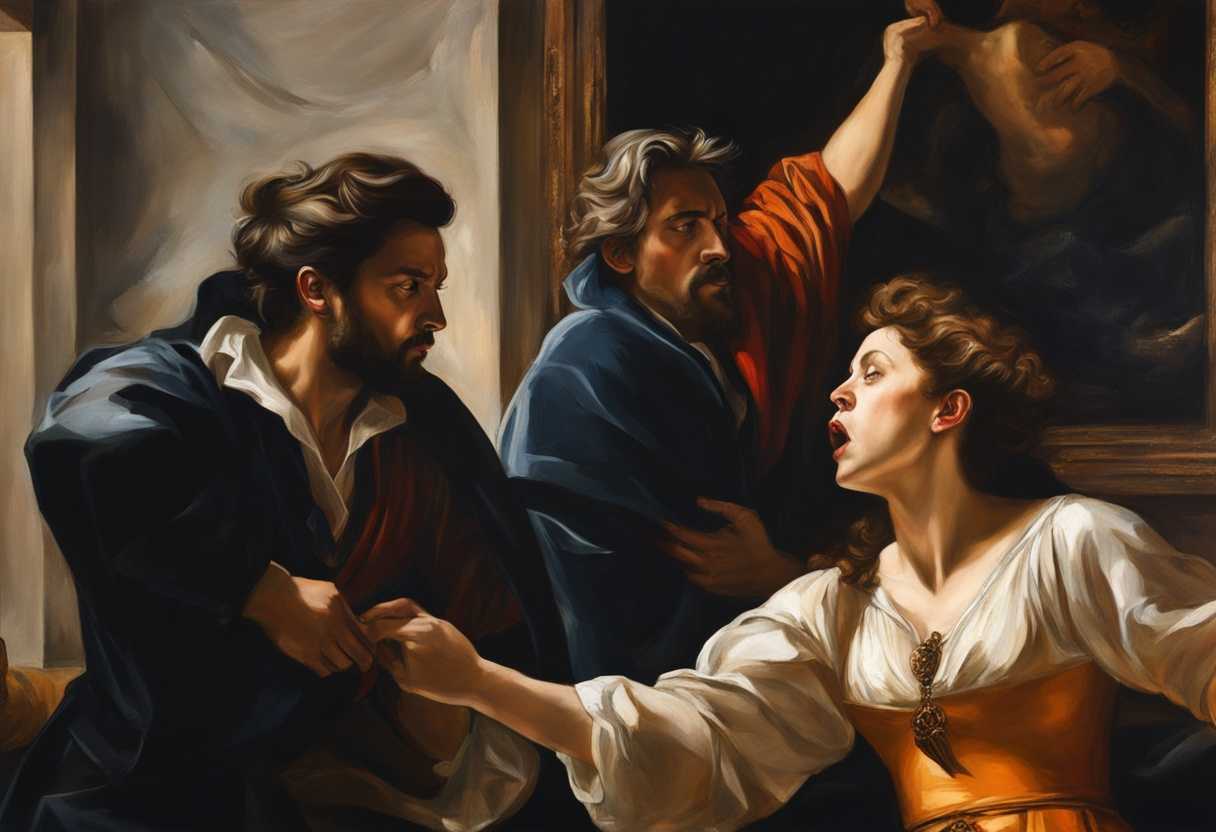
Setting the Scene for Exodus 21:12
In Exodus 21:12, we find ourselves in the midst of a community gathering at the foot of Mount Sinai. The Israelites have recently been freed from slavery in Egypt and are now receiving laws and commandments from God through Moses. The scene is filled with a sense of anticipation and reverence as the people gather to hear the words of their God.
Moses stands at the forefront, his face radiant from his encounters with the divine. The people are arranged in groups, with elders and leaders positioned closer to the front, eager to receive the instructions that will guide their newly liberated nation. The air is filled with a mixture of dust from the desert floor and the sound of murmured prayers as the people prepare themselves to listen and learn.
Surrounded by the majestic mountains and vast desert landscape, the scene is both awe-inspiring and humbling. The sun beats down on the assembly, casting long shadows across the sandy ground. As Moses begins to speak, the people fall silent, hanging on his every word as he imparts the laws that will shape their society and define their relationship with God and each other.
What is Exodus 21:12 about?
Causing someone’s death intentionally results in a severe punishment – the death penalty for the person responsible, as explained in this verse. This directive conveys the importance of valuing human life and the repercussions of taking another person’s life. It serves as a deterrent to prevent acts of violence and promotes a society where individuals respect and protect one another’s right to life.
Have you ever considered the weight of responsibility that comes with having the power to inflict harm on another person? This verse reminds us of the gravity of our actions and the consequences they can have on others. It prompts us to reflect on the sanctity of life and the need to uphold justice to maintain a harmonious and orderly community. How does this verse influence your perspective on conflict resolution and the value of human life in society?
Understanding what Exodus 21:12 really means
The verse Exodus 21:12 is nestled within the Book of Exodus, a collection of laws bestowed upon the Israelites post their liberation from Egypt. This verse finds its place in a segment known as the Covenant Code, which delineates various regulations aimed at fostering justice and order within the community. It serves as a poignant reminder of the sanctity of human life and the gravity of taking it, echoing the sentiment expressed in Genesis 9:6, where shedding human blood incurs severe consequences as humans are made in the image of God.
In Matthew 5:21-22, Jesus delves deeper into the commandment against murder, highlighting the significance of managing anger and resolving conflicts peacefully. These biblical passages collectively emphasize the enduring relevance of valuing human life in contemporary society. They prompt us to introspect on our actions and their repercussions, advocating for a culture underpinned by respect and accountability.
Imagine a scenario where violence pervades a community as a common response to disputes. Inspired by Exodus 21:12, a local leader initiates a program centered on conflict resolution and the sanctity of life. Over time, the community witnesses a substantial decrease in violence, showcasing the transformative influence of ancient principles when applied in the present day.
The phrase “Anyone who strikes a person with a fatal blow is to be put to death” encapsulates the gravity of taking a life and the ensuing severe penalty. It underscores the belief in the sacredness of life and the necessity of dispensing justice to uphold societal harmony. Moreover, it acts as a deterrent, aiming to dissuade acts of violence by underscoring the ultimate consequence.
Exodus 21:12, though rooted in ancient jurisprudence, imparts timeless lessons concerning the value of life and the imperative of justice. By contemplating and internalizing this verse, we can deepen our comprehension of the need for laws that safeguard individuals and foster tranquility within our societies. It beckons us to evaluate our conflict resolution methods and underscores the significance of honoring the sanctity of life in all our endeavors.
What does it mean to value human life?
To value human life means recognizing its inherent worth and dignity. It means respecting the sanctity of life and acknowledging that every individual has a unique purpose and significance. This reverence for human life is reflected in how we treat others, showing kindness, compassion, and understanding towards all individuals, regardless of their background or circumstances.
It involves prioritizing the well-being and safety of others, taking steps to protect and preserve life whenever possible. Valuing human life also entails a commitment to justice and fairness, ensuring that all individuals are treated fairly and given the opportunity to thrive. Valuing human life ultimately requires us to view each person as a precious gift, worthy of love, respect, and care.
Application
In the journey of life, each soul is a precious gem, deserving of respect and protection. Let us embrace this sacred duty to uphold the value of every person we encounter, showing kindness and compassion in our words and deeds. Just as we strive for success in our endeavors at work and cherish the happiness of our loved ones at home, let us also work tirelessly to preserve the sanctity of life. Will you join in this noble mission to be a beacon of love and support for those around you?

Reverend Michael Johnson is an experienced Church Minister with a profound expertise in spirituality and guidance. With a serene presence and a compassionate heart, he has faithfully served his congregation for over 20 years, leading them on a spiritual journey towards inner peace and enlightenment. Reverend Johnson’s extensive knowledge of religious philosophies and profound understanding of human nature have made him a trusted confidant and mentor to many, as he seamlessly weaves his profound wisdom into life teachings. Reverend Johnson’s calming demeanor and empathetic nature continue to uplift and heal souls, nurturing a sense of unity and tranquility within his community.