
Exodus 22:26 is about emphasizing the importance of treating the poor and needy with dignity and fairness by returning their cloak before nightfall, highlighting the principle of compassion and justice towards those in vulnerable circumstances.
26 If you ever take your neighbor’s cloak in pledge, you shall return it to him before the sun goes down,
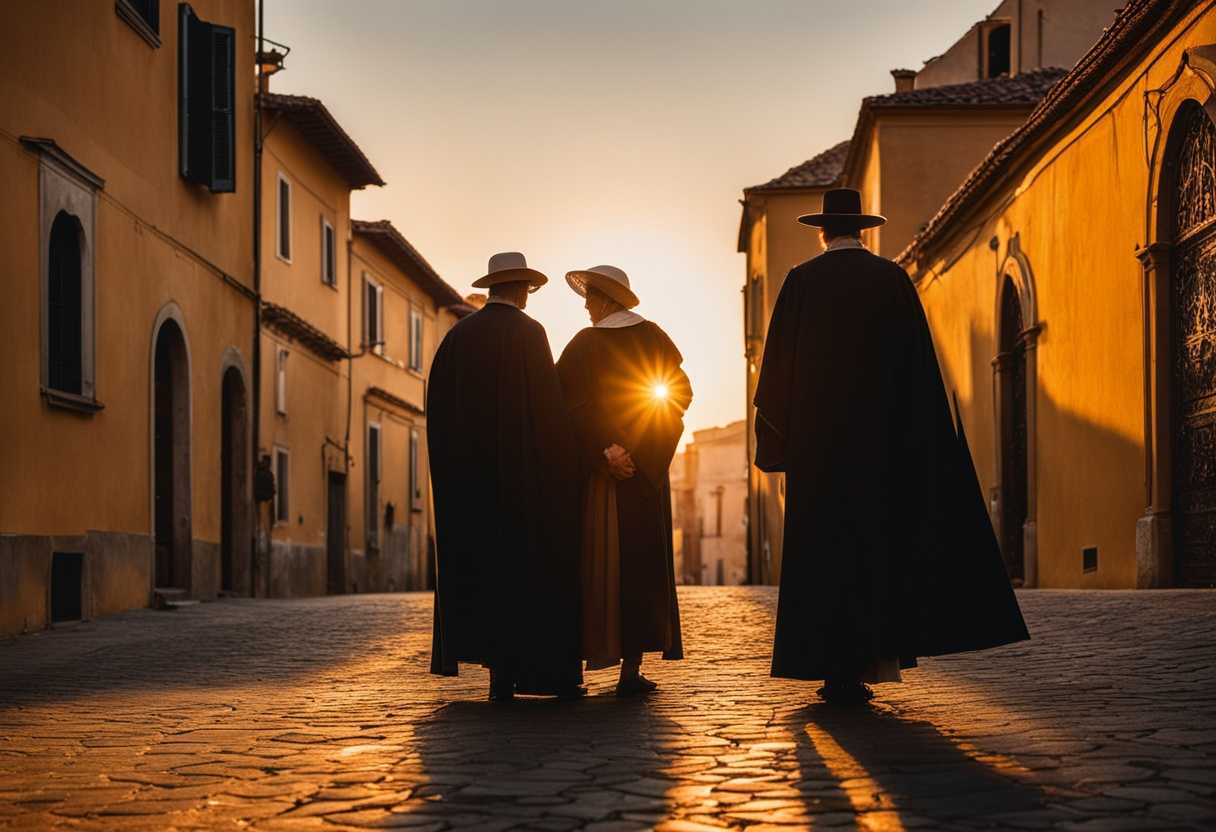
Setting the Scene for Exodus 22:26
In Exodus 22, we find a scene set in the ancient land of Israel during the time of Moses. The Israelites have recently been liberated from slavery in Egypt and are now wandering in the wilderness under the guidance of Moses. The community has been established, and they are living in tents and temporary shelters as they journey towards the Promised Land.
In this particular scene, we see Moses addressing a group of Israelites who have gathered around him. Among them are men, women, and children, all listening intently as Moses imparts laws and commandments given to him by God. The atmosphere is one of reverence and respect as the people look to Moses as their leader and intermediary with the divine.
Surrounded by the vast desert landscape, with the majestic Mount Sinai looming in the distance, Moses speaks passionately about the importance of compassion and justice. He emphasizes the need to care for the vulnerable members of society, including widows, orphans, and the poor. The people nod in agreement, understanding the significance of these teachings in building a just and righteous community in the eyes of God.
What is Exodus 22:26 about?
This verse is a powerful reminder to treat vulnerable members of society with dignity and compassion. Widows were particularly vulnerable in ancient societies, as they did not have the same legal protections or social support systems as they do now. This verse emphasizes the importance of protecting the most vulnerable in our communities and showing empathy towards those who may be in need by prohibiting the taking of a widow’s garment as a pledge.
Imagine a widow, already mourning the loss of her spouse, stripped of her dignity by having her only covering taken away. How would she face the world without her garment to protect her from the elements or to maintain her modesty? This verse serves as a call to action, urging us to consider the plight of the most vulnerable among us and to act with kindness and understanding.
We are called to be agents of compassion and justice, standing up for the marginalized and ensuring that their basic needs are met. We can create a more inclusive and caring society where everyone is treated with respect and dignity by following the principles laid out in this verse. We can reflect on how to embody these values in our own lives and reach out to those who may be in need of support and solidarity.
Understanding what Exodus 22:26 really means
In the Book of Exodus, amidst the laws and commandments given to the Israelites post their exodus from Egypt, we encounter a section emphasizing social justice and fair treatment, particularly towards the vulnerable. Exodus 22:26 addresses the practice of taking a neighbor’s cloak as collateral for a loan, highlighting the significance of returning it by sunset. This act of returning the cloak promptly showcases compassion and acknowledges the essentiality of the garment for warmth during the night.
The phrase “If you take your neighbor’s cloak as a pledge” refers to the ancient custom of using a cloak as security for a loan, often representing a person’s most valuable possession serving multiple purposes. The directive to return it by sunset underscores the importance of understanding and meeting the basic needs of others, even in financial transactions. Deuteronomy 24:12-13 echoes this sentiment, stressing the timely return of a poor person’s cloak as an act of empathy and justice.
In Matthew 5:40, Jesus expands on this principle by urging generosity beyond what is demanded, suggesting giving one’s cloak along with the tunic when faced with a lawsuit. This teaching emphasizes selflessness and going the extra mile to demonstrate care and concern for others, mirroring the essence of compassion and justice encapsulated in Exodus 22:26. These biblical passages collectively emphasize the enduring relevance of treating others with fairness and empathy.
The timeless message of Exodus 22:26 resonates in contemporary society, urging individuals to be mindful and equitable in their interactions, especially towards those facing adversity. It prompts us to act with empathy, ensuring that our decisions and actions do not exacerbate the challenges of the less fortunate. By embodying such compassion in our daily lives, we not only uphold moral values but also contribute to the creation of a more compassionate and just community.
Consider a modern scenario where a person pledges their only winter coat as collateral for a loan. Despite the repayment not being made by evening, returning the coat out of concern for their well-being exemplifies the principles of Exodus 22:26 in action. This act of kindness not only fulfills a moral obligation but also nurtures trust and solidarity within the community, reflecting the essence of compassion and justice advocated in the biblical verse.
In conclusion, Exodus 22:26 serves as a poignant reminder of the delicate balance between justice and mercy. It underscores the importance of considering the needs and circumstances of others, particularly the vulnerable, in our decisions and actions. By embodying such values of compassion and fairness, we embody the love and justice of God in our interactions, contributing to the cultivation of a more caring and just society.
How can we show compassion to the less fortunate?
One way to show compassion to the less fortunate is by being considerate of their circumstances and offering help without expecting anything in return. It is important to approach them with kindness and understanding, without judgment or discrimination. We can provide support in a respectful and dignified manner by practicing empathy and actively listening to their needs.
Another way to show compassion to the less fortunate is by sharing our resources and blessings with them. This can be done through acts of charity, such as donating food, clothing, or money to organizations that support those in need. Additionally, volunteering our time and skills to help those less fortunate can make a significant impact on their lives and show them that they are valued members of society. Treating the less fortunate with dignity and respect ultimately means showing them compassion, recognizing their humanity and worth. It involves extending a helping hand, offering support, and showing kindness in whatever way we can. We can create a more inclusive and caring community for all individuals, especially those facing difficulties and hardships, by embodying the values of compassion and generosity.
Application
Let’s unlock the power of Exodus 22:26 in our modern lives. Like colleagues in our career journey, let’s support those in need with empathy and fairness. As a member of this global family, it’s our duty to uplift the less fortunate, offering a helping hand when they face challenges beyond their control. Will you join the movement of kindness and compassion towards those in need?

Reverend Michael Johnson is an experienced Church Minister with a profound expertise in spirituality and guidance. With a serene presence and a compassionate heart, he has faithfully served his congregation for over 20 years, leading them on a spiritual journey towards inner peace and enlightenment. Reverend Johnson’s extensive knowledge of religious philosophies and profound understanding of human nature have made him a trusted confidant and mentor to many, as he seamlessly weaves his profound wisdom into life teachings. Reverend Johnson’s calming demeanor and empathetic nature continue to uplift and heal souls, nurturing a sense of unity and tranquility within his community.