
Exodus 23:10-11 is about God commanding the ancient Israelites to observe a Sabbath for their land every seven years, allowing the soil to rest and replenish its nutrients, thereby promoting sustainable agriculture and reflecting God’s care for the earth and all living creatures.
10 “For six years you shall sow your land and gather in its yield,”
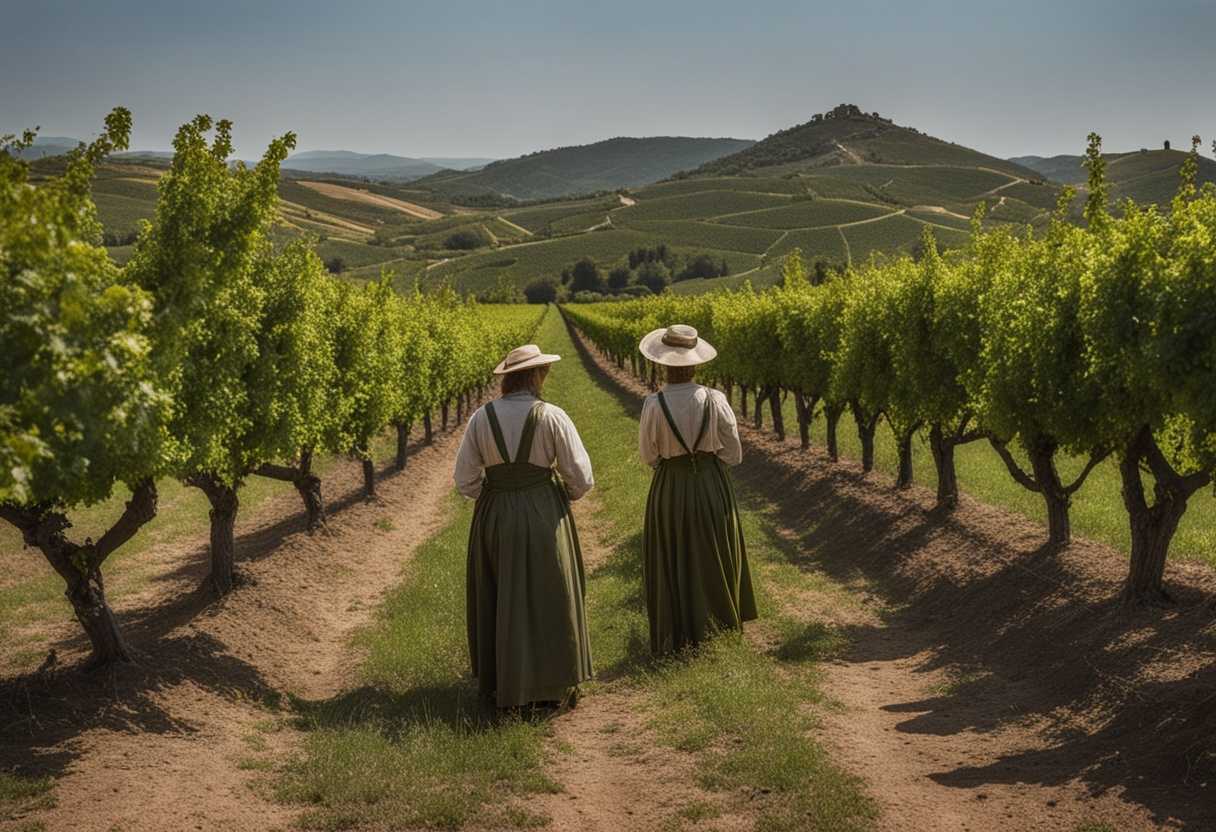
11 but the seventh year you shall let it rest and lie fallow, that the poor of your people may eat; and what they leave the beasts of the field may eat. You shall do likewise with your vineyard, and with your olive orchard.
Setting the Scene for Exodus 23:10-11
The scene in Exodus 23:10-11 takes place in the land of Israel during the time of Moses leading the Israelites through the wilderness. The Israelites had been enslaved in Egypt for generations before being miraculously freed by God through a series of plagues and the parting of the Red Sea. Now, they were on a journey to the promised land of Canaan, a land flowing with milk and honey.
In this particular scene, Moses is addressing the Israelites, reminding them of God’s commandments regarding the land they were entering. He instructs them to sow their fields and vineyards for six years and to gather the produce, but on the seventh year, they must let the land rest and lie fallow. This Sabbath year was a time of rest for the land, allowing it to rejuvenate and replenish its nutrients.
Surrounded by the vast wilderness of the desert, Moses stands before the multitude of Israelites, who had followed him out of Egypt. The people listen attentively as he imparts God’s laws and instructions, emphasizing the importance of honoring the land and observing the Sabbath year. The scene is filled with a sense of reverence and obedience as the Israelites prepare to enter the promised land, guided by the wisdom and leadership of Moses.
What is Exodus 23:10-11 about?
A powerful message about God’s care and consideration for His creation is seen in this verse. God is demonstrating a deep understanding of the needs of the natural world by commanding rest for the land and animals. The land and animals also require periods of rest to thrive just as we need rest and rejuvenation to function at our best. This commandment reminds us of the interconnectedness of all living beings and the importance of respecting and caring for the environment around us.
Think about it – why would God specifically instruct rest for the land and animals if He did not value their well-being? This verse challenges us to consider how we care for the world around us and whether we are being good stewards of the resources and creatures entrusted to us. It serves as a reminder that we are called to be mindful of our impact on the environment and to strive for balance and sustainability in all that we do. We are called to provide for the needs of the land and animals, showing compassion and respect for all living things, just as God does.
Understanding what Exodus 23:10-11 really means
In Exodus 23:10-11, we delve into a segment of the laws bestowed upon the Israelites post their liberation from Egypt, focusing on agricultural practices and social justice. The crux of these verses lies in advocating for both rest and provision, not just for the people but also for the land they inhabit. The text delineates a structured approach to farming, emphasizing the necessity of labor and productivity for six years, followed by a year of rest for the land. This cyclical pattern underscores the significance of diligent work while also recognizing the need for rejuvenation and trust in divine sustenance.
The directive to let the land lie fallow in the seventh year serves as a pivotal moment for reflection and reliance on God’s provision. It symbolizes a period of rest not just for the soil but also for the community, fostering a sense of interconnectedness and dependence on God’s abundant grace. The mention of ensuring that the poor within the community have access to the produce highlights the underlying theme of social justice embedded in these laws. It underscores the importance of inclusivity and care for the marginalized, extending the concept of provision beyond personal gain to communal well-being.
These verses resonate with broader biblical themes found in related passages such as Leviticus 25:1-7 and Deuteronomy 15:1-2, which expound on the principles of rest, provision, and economic justice. The interconnectedness of these teachings underscores a holistic approach to living in harmony with one another and with the environment. Even in the New Testament, we find echoes of these principles in Jesus’ teachings, such as in Matthew 6:26, where he draws parallels between God’s care for creation and our responsibility to steward it well.
The relevance of these ancient principles extends to contemporary issues, serving as a precursor to discussions on environmental stewardship, social justice, and trust in divine provision. The concept of letting the land rest finds resonance in today’s discourse on sustainable agriculture and conservation practices. Similarly, the call to provide for the less fortunate remains a pressing concern, urging us to actively engage in caring for those in need within our communities. Ultimately, these verses challenge us to trust in God’s provision, fostering a deeper sense of faith and reliance on His sustenance in all aspects of our lives.
To illustrate the practical implications of these principles, envision a modern farmer embracing the Sabbath year practice. Through years of dedicated work and a year of rest for the land, they witness not only environmental benefits but also a strengthened community bond and a deepened faith in God’s provision. This anecdote encapsulates the transformative power of aligning our actions with these timeless principles, showcasing the positive ripple effects that emanate from honoring the balance between labor, rest, provision, and trust in God’s abundant care. In essence, Exodus 23:10-11 serves as a poignant reminder of the enduring relevance of these foundational values that can guide our actions and attitudes in navigating the complexities of our contemporary world.
How can we honor God’s sabbath and rest?
We can honor God’s Sabbath and rest by observing a day of rest each week, just as God did after creating the world. This means setting aside time to cease from our regular work and to reflect on God’s goodness. We declare our trust in God’s provision and sovereignty over our lives by prioritizing rest, acknowledging that our worth is not defined by our productivity.
Additionally, honoring God’s Sabbath involves recognizing and respecting the needs of others, including our families, employees, and even the land itself. We are called to steward all aspects of creation with care and mindful consideration, just as the land was given a Sabbath year to rest and be replenished. We mirror God’s compassion and justice in our relationships and communities by extending grace and rest to others. Honoring the Sabbath is a way to express our gratitude for the Lord’s provision and our commitment to living in harmony with His will and design for creation.
Application
Just as we value resting periods for ourselves for productivity, the land also needs time to rejuvenate. Let’s heed the call to responsibly care for our environment, nourishing it to yield abundance. How can we incorporate this ethos into our daily routines and neighborhoods? Will you unite with me to embrace this duty of nurturing the earth and recognizing divine blessings in every corner of our existence?

Reverend Michael Johnson is an experienced Church Minister with a profound expertise in spirituality and guidance. With a serene presence and a compassionate heart, he has faithfully served his congregation for over 20 years, leading them on a spiritual journey towards inner peace and enlightenment. Reverend Johnson’s extensive knowledge of religious philosophies and profound understanding of human nature have made him a trusted confidant and mentor to many, as he seamlessly weaves his profound wisdom into life teachings. Reverend Johnson’s calming demeanor and empathetic nature continue to uplift and heal souls, nurturing a sense of unity and tranquility within his community.