
Exodus 25:18-20 is about the instructions given to Moses for the creation of the mercy seat, symbolizing God’s presence and the cover for the Ark of the Covenant, highlighting the importance of divine forgiveness and atonement.
18 And you shall make two cherubim of gold; of hammered work shall you make them, on the two ends of the mercy seat.
19 And make one cherub on the one end, and one cherub on the other end. Of one piece with the mercy seat shall you make the cherubim on its two ends.
20 The cherubim shall spread out their wings above, overshadowing the mercy seat with their wings, their faces one to another; toward the mercy seat shall the faces of the cherubim be.
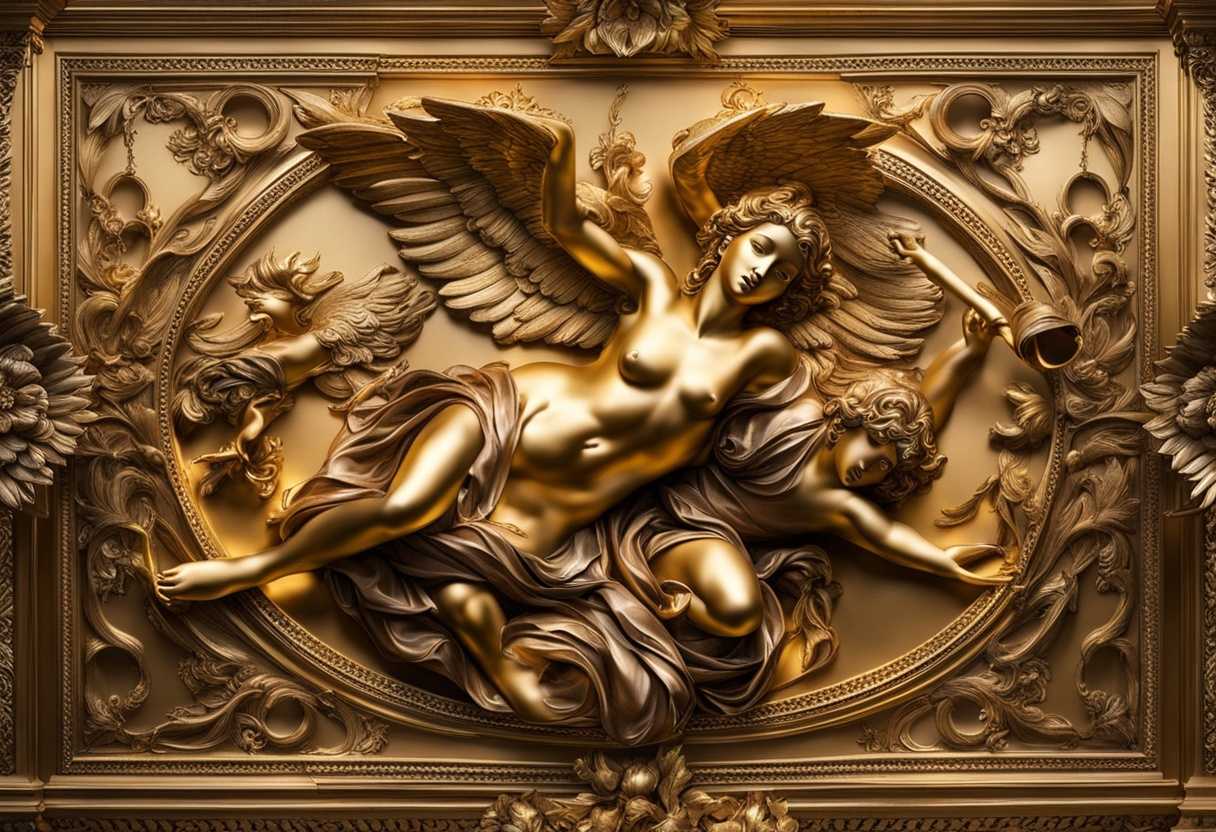
Setting the Scene for Exodus 25:18-20
In Exodus 25:18-20, the scene is set in the Tabernacle, a sacred tent constructed by the Israelites in the wilderness under the guidance of Moses. The Tabernacle was a place of worship and sacrifice, where the Israelites could commune with God. The specific focus in these verses is on the construction of the Ark of the Covenant, a sacred chest made of acacia wood overlaid with pure gold.
Moses, the leader of the Israelites, is present in the scene, overseeing the construction of the Ark. He is accompanied by skilled craftsmen and artisans who have been chosen by God to carry out this important task. These craftsmen are meticulously following the detailed instructions given by God to Moses on Mount Sinai regarding the construction of the Tabernacle and its furnishings, including the Ark of the Covenant.
The surroundings are filled with the sounds of hammering, sawing, and the clinking of gold as the craftsmen work diligently to create this sacred object. The air is heavy with the scent of wood and incense, creating an atmosphere of reverence and holiness. The scene is bathed in the warm glow of the golden Ark, symbolizing the presence of God among His people.
What is Exodus 25:18-20 about?
God is giving Moses specific instructions on how to create two cherubim in this verse. These cherubim are to be made as part of the Ark of the Covenant, a sacred container housing the stone tablets of the Ten Commandments and considered the holiest object in the Israelite religion. The presence of the cherubim on the Ark signifies the importance of divine protection and guidance in the Israelites’ journey and relationship with God. God is emphasizing the significance of not only the physical object of the Ark but also the spiritual and symbolic aspects it represents by instructing Moses to create these cherubim. The cherubim serve as a reminder of God’s presence among the people and the covenant they have with Him. This verse highlights the importance of faith, reverence, and obedience in following God’s instructions and honoring His presence in their midst. We reflect on this verse, reminding us of the sacredness of God’s guidance and protection in our lives and the importance of cherishing and upholding our spiritual connections with the divine.
Understanding what Exodus 25:18-20 really means
Context and Background
In the intricate tapestry of biblical instructions, Exodus 25:18-20 stands out as a vivid thread detailing God’s precise directives to Moses on Mount Sinai. These verses delve into the construction plans for the Ark of the Covenant, a sacred repository for the tablets of the Ten Commandments, symbolizing the divine covenant between God and Israel. Central to this design are the cherubim, angelic figures to be crafted from gold and placed atop the mercy seat, the lid of the Ark, embodying God’s presence and protection in a tangible form.
Key Phrases and Their Meanings
The command to “Make two cherubim of gold” encapsulates the symbolism of these angelic beings, representing God’s presence and protection, while the choice of gold signifies purity and divinity. The directive for “hammered work” underscores the meticulous craftsmanship required, reflecting the reverence owed to the Almighty. Placing the cherubim “at the two ends of the mercy seat” signifies the encompassing nature of God’s mercy and presence over the covenant, while their outstretched wings above the mercy seat convey a sense of divine protection and oversight. The cherubim facing each other, their gaze fixed on the mercy seat, symbolize unity and focus on God’s merciful throne.
Related Biblical Passages
Drawing connections across the biblical tapestry, Hebrews 9:5, Psalm 80:1, and 1 Kings 6:23-28 echo the significance of the cherubim and the mercy seat in different contexts. Hebrews underscores their relevance in the new covenant through Christ, while Psalm 80 exalts God as enthroned among the cherubim, emphasizing His sovereignty and presence. The description of cherubim in Solomon’s Temple in 1 Kings maintains the continuity of symbolism, highlighting God’s enduring presence and protection.
Relevance to People Today
These ancient directives resonate with contemporary believers, urging us to approach worship and our relationship with God with reverence and care. The cherubim’s focus on the mercy seat prompts us to center our lives on God’s mercy and presence, while the call for meticulous craftsmanship reflects the value of dedicating our best efforts and resources to honor the Divine.
Anecdote for Illustration
Consider a master craftsman pouring heart and soul into a masterpiece, every detail a testament to dedication and love for the craft. Just as the Israelites were called to approach the construction of the Ark with unwavering devotion, we are challenged to offer our time, talents, and resources in honoring God. This principle of wholehearted dedication resonates across time, urging us to emulate the Israelites’ reverence in our worship and daily lives.
Conclusion
Exodus 25:18-20 unveils profound truths about the holiness of God and the significance of approaching Him with reverence and dedication. Through the imagery of the cherubim and the mercy seat, we are reminded of God’s protective and merciful presence, calling us to worship Him with utmost respect and love. By anchoring ourselves in God’s mercy and presence, we find guidance and strength for our journey, mirroring the devotion of the Israelites in our modern lives.
What does it mean to have God as our center?
Having God as our center means placing Him at the forefront of our lives, above all else. When we make God the focal point of all we do, our actions and decisions are guided by His will. When we prioritize God in our lives, we acknowledge His sovereignty and seek His grace and guidance in all things.
When we have God as our center, all our thoughts, desires, and actions are aligned with His purpose for us. We must walk in step with God, seeking His direction and following where He leads, just as the Israelites were instructed to follow the presence of God in the form of the cloud by day and the pillar of fire by night. We demonstrate our trust in His wisdom and our commitment to live according to His perfect will by centering our lives on God.
Application
Create a sanctuary in your heart for God, just like the sacred dwelling of the Ark of the Covenant. Let Exodus 25:18-20 ignite a passion in you to build a space where His presence can reside. Make room in your life for reverence and respect towards the Divine. How will you welcome this divine calling into your life today?

Reverend Michael Johnson is an experienced Church Minister with a profound expertise in spirituality and guidance. With a serene presence and a compassionate heart, he has faithfully served his congregation for over 20 years, leading them on a spiritual journey towards inner peace and enlightenment. Reverend Johnson’s extensive knowledge of religious philosophies and profound understanding of human nature have made him a trusted confidant and mentor to many, as he seamlessly weaves his profound wisdom into life teachings. Reverend Johnson’s calming demeanor and empathetic nature continue to uplift and heal souls, nurturing a sense of unity and tranquility within his community.