
Exodus 28:1-2 is about God calling Aaron and his sons to serve as priests, emphasizing the importance of the priesthood and their role as mediators between God and the people.
1 “Then bring near to you Aaron your brother, and his sons with him, from among the people of Israel, to serve me as priests—Aaron and Aaron’s sons, Nadab and Abihu, Eleazar and Ithamar.”
2 And you shall make holy garments for Aaron your brother, for glory and for beauty.
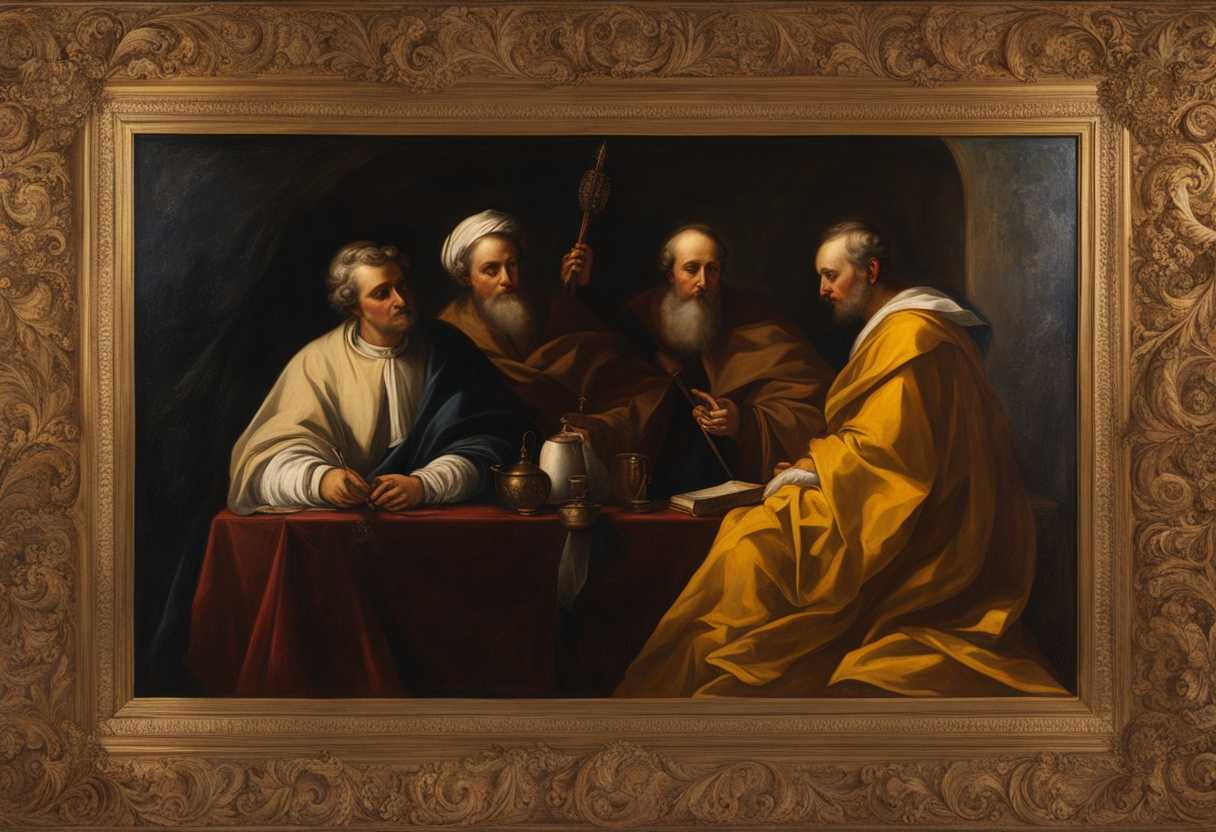
Setting the Scene for Exodus 28:1-2
In Exodus chapter 28, we find Moses on Mount Sinai receiving instructions from God regarding the garments that the priests are to wear. The scene is set with Moses standing before the Lord, who is giving him detailed guidelines on how to make sacred garments for Aaron, the high priest, and his sons. The atmosphere is one of reverence and holiness, as Moses listens attentively to the divine instructions.
Surrounded by a cloud of glory and majesty, Moses is accompanied by Aaron and his sons, who are to be consecrated as priests. The setting is solemn and awe-inspiring, as the presence of God fills the space with a sense of divine purpose and significance. The garments being described are not merely for decoration but are imbued with symbolic meaning, representing the priestly role and responsibilities that Aaron and his descendants will carry out.
As Moses receives these instructions, the weight of the moment is palpable, as the destiny of the priesthood is being established. The scene is a pivotal moment in the history of the Israelites, as God establishes the priesthood as a central institution in the worship and governance of the nation. The details of the garments, from the ephod to the breastpiece, are given with precision and care, reflecting the importance of the priestly role in mediating between God and the people.
What is Exodus 28:1-2 about?
God entrusts a sacred role to Aaron and his sons in this verse, appointing them as priests who will serve in the tabernacle. This act signifies a special consecration, setting them apart from the rest of the Israelites for a specific purpose. The instructions to wear special garments for their duties not only symbolize their role but also emphasize the need for reverence and respect in serving God. Have you ever thought about the significance of clothing in rituals and ceremonies? Clothing can carry deep symbolic meanings and serve as a visual reminder of one’s role and responsibilities. We can think about how our attire can reflect our values, beliefs, and commitments in our everyday lives, just as Aaron and his sons wore special garments to represent their priestly duties.
Furthermore, this verse highlights the importance of tradition, hierarchy, and divine order in religious practices. God establishes a lineage of religious leadership within the community by appointing Aaron and his sons as priests. This act of succession ensures continuity in carrying out sacred rites and upholding spiritual teachings. Have you considered your responsibilities and duties within your community or family lineage? We too may have roles to fulfill that are passed down through generations or entrusted to us by a higher authority, just as Aaron and his sons were called to serve as priests. Reflecting on this verse can prompt us to think about how we honor and carry forward traditions and legacies in our own lives.
Understanding what Exodus 28:1-2 really means
Exodus 28:1-2 marks a pivotal moment in the religious history of the Israelites, as God instructs Moses on the consecration of Aaron and his sons as priests. This directive signifies the establishment of the priesthood, a crucial institution in Israelite society. The context of these verses lies within the broader narrative of the Israelites’ journey from bondage in Egypt to their covenant with God at Mount Sinai. It is part of the detailed instructions given by God for the construction of the Tabernacle and the ordination of priests.
The phrases in these verses hold profound meanings. The command to “Take Aaron your brother, and his sons with him, from among the children of Israel, that he may minister to Me as priest” underscores the divine selection of Aaron and his sons for a sacred duty. It underscores the concept of being chosen by God for a specific purpose. Additionally, the directive to “make holy garments for Aaron your brother, for glory and for beauty” highlights the symbolic significance of the priestly attire. These garments are not merely functional but are intended to reflect the splendor and magnificence of God.
Related biblical passages such as Leviticus 8:1-13, Hebrews 5:1-4, and 1 Peter 2:9 provide further insights into the priesthood and its significance. Leviticus describes the consecration ceremony of Aaron and his sons, while Hebrews draws parallels between the Old Testament priesthood and the role of the high priest in the New Testament. 1 Peter extends the concept of priesthood to all believers, referring to them as a “royal priesthood.”
The relevance of Exodus 28:1-2 extends to contemporary audiences. The idea of being chosen for a specific purpose resonates with many individuals today, emphasizing the belief in a unique calling for each person. The emphasis on “glory and beauty” in service to God can inspire individuals to approach their roles with reverence and excellence, viewing their work as an act of worship.
Consider a modern-day anecdote of an individual who felt called to serve their community in a distinctive manner, perhaps leaving a lucrative career to work in a non-profit organization. Their dedication and commitment to excellence can mirror the “glory and beauty” mentioned in the verse, showcasing how one’s service can be a reflection of divine purpose.
In conclusion, Exodus 28:1-2 serves as a poignant reminder of the sacredness of our callings and the significance of approaching our roles with reverence and purpose. It encourages us to view our work not merely as tasks but as offerings of worship and devotion to God.
How can we honor God in our daily work?
One way we can honor God in our daily work is by understanding that whatever we do, we can do it unto Him. When we work with excellence, integrity, and a spirit of service, we are reflecting the character of God to those around us. We honor Him in all that we do by doing our work with dedication and a desire to glorify God.
Another way to honor God in our daily work is by seeking His guidance and wisdom in our tasks. We demonstrate our trust in His plans and purposes for our lives by acknowledging Him as the ultimate authority in our work. Through prayer and reliance on God’s strength, we can approach our work with a heart that is focused on honoring Him and seeking to fulfill His will.
Additionally, honoring God in our daily work involves being a positive influence in our workplace. We are living out the commandments to love our neighbors as ourselves by showing love, kindness, and respect to our colleagues. When we treat others with compassion and humility, we are reflecting the love of God and bringing glory to His name in our workplace interactions.
Application
Embrace the divine challenge of embodying excellence in all you do, just as the priests were sanctified for their sacred duty. Let God’s call to elevate your life resonate within you like never before. Reflect His glory through your dedication and holiness in every task. Will you Rise to this challenge and honor the divine spark within you with actions and thoughts that echo your devotion?

Reverend Michael Johnson is an experienced Church Minister with a profound expertise in spirituality and guidance. With a serene presence and a compassionate heart, he has faithfully served his congregation for over 20 years, leading them on a spiritual journey towards inner peace and enlightenment. Reverend Johnson’s extensive knowledge of religious philosophies and profound understanding of human nature have made him a trusted confidant and mentor to many, as he seamlessly weaves his profound wisdom into life teachings. Reverend Johnson’s calming demeanor and empathetic nature continue to uplift and heal souls, nurturing a sense of unity and tranquility within his community.