
16 Therefore the people of Israel shall keep the Sabbath, observing the Sabbath throughout their generations, as a covenant forever.
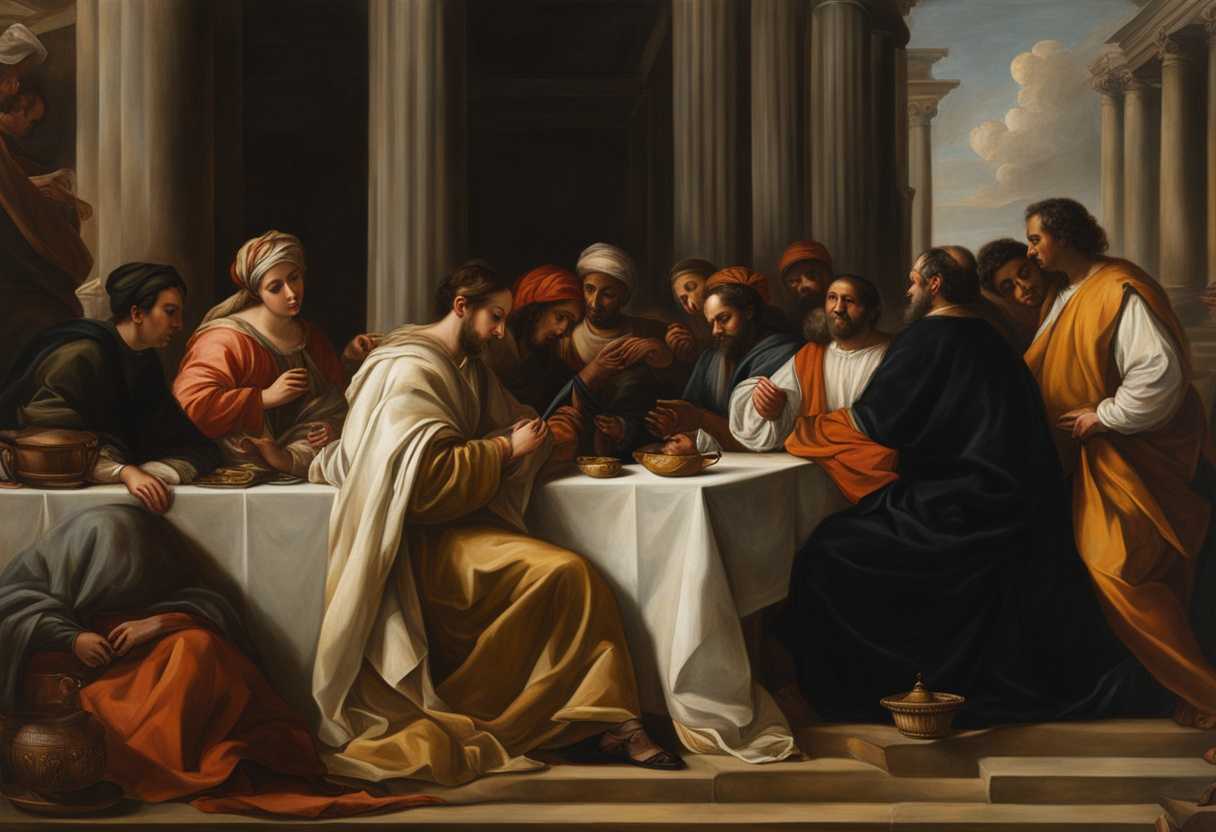
Setting the Scene for Exodus 31:16
In Exodus 31, we find Moses on Mount Sinai, having just received the Ten Commandments from God. The scene is filled with a sense of awe and reverence as Moses descends from the mountain, carrying the two tablets inscribed by the finger of God. He is accompanied by his brother Aaron, who had been left in charge of the Israelites during Moses’ time on the mountain.
As they make their way down, they are met by a group of Israelites who had been eagerly awaiting their return. The people are filled with a mixture of fear and excitement, having witnessed the thunder, lightning, and smoke that enveloped the mountain during Moses’ encounter with God. The surroundings are rugged and barren, with the mountain towering above them and the desert stretching out into the distance.
Moses and Aaron approach the people, their faces radiant from being in the presence of God. They begin to relay the commandments and instructions that God had given them, including the importance of observing the Sabbath as a sign of the covenant between God and the Israelites. The people listen intently, their hearts stirred by the words of their leaders and the power of the divine presence that had descended upon the mountain.
What is Exodus 31:16 about?
Have you ever considered the significance of observing the Sabbath in your life? The act of setting aside one day a week for rest and reflection is not just a simple tradition; it is a tangible symbol of the covenant between God and His people. We acknowledge our dependence on God and our commitment to follow His commands by honoring the Sabbath.
Just as a ring is a visible sign of marriage vows, observing the Sabbath is a visible sign of our relationship with God. It serves as a reminder of the special bond we have with our Creator and the promises He has made to us. When we pause from our work and dedicate time to worship and rest on the Sabbath, we are actively participating in the covenant relationship that God initiated with us.
So, the next time you observe the Sabbath, remember that it is not just a day off or a religious obligation, but a sacred sign of the covenant between you and God. Take this time to reflect on His faithfulness, renew your commitment to His ways, and celebrate the special bond you share with Him.
Understanding what Exodus 31:16 really means
A foundational instruction regarding the observance of the Sabbath by the Israelites is found when delving into Exodus 31:16. This verse is part of a larger section that details various laws and commandments given by God to Moses on Mount Sinai. Understanding this verse involves examining the historical, spiritual, and practical aspects of Sabbath observance and its ongoing relevance today.
Historical Context:
The instruction to observe the Sabbath is tethered to God’s creation work in Genesis, where He rested on the seventh day. This day of rest was not only a physical respite but also a sanctified day that symbolized completion and holiness. God embedded a rhythm of rest into the Israelites’ weekly lives and distinguished them as a people set apart for His purposes by commanding them to keep the Sabbath.
Spiritual Significance:
The command to “observe the Sabbath, celebrating it for the generations to come as a lasting covenant” highlights the perpetual nature of this observance. It isn’t merely a relic of ancient practice but a continuing symbol of the covenant between God and His people. The Sabbath serves as a weekly reminder of God’s creation and His deliverance—particularly poignant in light of Israel’s deliverance from Egyptian bondage, which can be cross-referenced with Deuteronomy 5:15.
Practical Relevance Today:
How does this ancient command speak to us in modern times? The principle of Sabbath rest becomes even more relevant in today’s fast-paced world. It encourages us to step back from our daily toil and find rest and rejuvenation in God. This practice can counteract the relentless demands of contemporary life and provide a space for spiritual reflection and restoration.
Anecdote:
Let me share a story to illustrate. A friend of mine, overwhelmed by work and family responsibilities, decided to reclaim the Sabbath as a day of rest. Initially skeptical, he committed to setting aside his work and dedicating time to worship and family. Over time, he discovered a renewed sense of peace and purpose, attributing it to this intentional pause. This real-life application of ancient wisdom underscores its enduring value.
Detailed Breakdown:
The phrase “celebrating it for the generations to come” gives us a sense of continuity and inheritance. It suggests that the Sabbath is not just a personal discipline but a communal and generational practice meant to shape collective identity and faith. Teaching children and family members about the importance of rest and worship ensures that these values are perpetuated through the ages.
Lastly, the term “lasting covenant” reminds us that God’s promises and commands are not transient. Just as God remains faithful, His instructions are designed for our lasting good. Reflecting on Hebrews 4:9-10, we see the Sabbath as a precursor to the ultimate rest we find in Christ, offering a foretaste of heavenly peace.
Conclusion:
Exodus 31:16 calls us to consider the depth of God’s wisdom in mandating a day of rest—a practice that can transform our lives if we embrace it fully. Honoring the Sabbath, not just in ritual but in spirit, aligns us with God’s rhythm for our lives, fostering both physical rest and spiritual renewal. What steps might you take to incorporate Sabbath rest into your life, seeing it not as an obligation but a divine gift?
How can we prioritize rest and worship?
Prioritizing rest and worship is essential as it is a commandment from God. We acknowledge God’s sovereignty over our lives and demonstrate our trust in His provision by setting aside time for rest and worship. Just as God rested on the seventh day after creating the world, we too are called to rest and set aside time to worship Him.
Rest and worship go hand in hand as they both allow us to recharge spiritually and physically. When we take time to rest, we are rejuvenating our bodies and minds, allowing us to better focus on God and worship Him wholeheartedly. We are creating a rhythm in our lives that aligns with God’s design for us, leading to a deeper relationship with Him by prioritizing rest and worship. Making time for rest and worship can be counter-cultural but incredibly important in a world that often glorifies busyness and productivity. It is a way for us to realign our priorities and remind ourselves of what truly matters. By prioritizing rest and worship, we not only follow God’s commandments but also nurture our relationship with Him and experience His peace and presence in our lives.
Application
In life’s hustle, taking a “Sabbath” is essential for recharging our spiritual batteries. Exodus 31:16 nudges us to step away from the grind and focus on what truly matters – our connection with God. Are you making room in your hectic week to unplug, reflect, and pray? Set aside and honor this time, and let it renew your spirit. What steps will you take to carve out these sacred moments and deepen your faith?

Reverend Michael Johnson is an experienced Church Minister with a profound expertise in spirituality and guidance. With a serene presence and a compassionate heart, he has faithfully served his congregation for over 20 years, leading them on a spiritual journey towards inner peace and enlightenment. Reverend Johnson’s extensive knowledge of religious philosophies and profound understanding of human nature have made him a trusted confidant and mentor to many, as he seamlessly weaves his profound wisdom into life teachings. Reverend Johnson’s calming demeanor and empathetic nature continue to uplift and heal souls, nurturing a sense of unity and tranquility within his community.