
Exodus 32:10-14 is about God’s righteous anger towards the Israelites for their idol worship, but Moses interceding on their behalf, highlighting the power of prayer and repentance to avert divine punishment and restore the broken relationship between God and His people.
10 Now therefore let me alone, that my wrath may burn hot against them and I may consume them, in order that I may make a great nation of you.
11 But Moses implored the Lord his God and said, “O Lord, why does your wrath burn hot against your people, whom you have brought out of the land of Egypt with great power and with a mighty hand?
12 Why should the Egyptians say, ‘With evil intent did he bring them out, to kill them in the mountains and to consume them from the face of the earth’? Turn from your burning anger and relent from this disaster against your people.
13 Remember Abraham, Isaac, and Israel, your servants, to whom you swore by your own self, and said to them, ‘I will multiply your offspring as the stars of heaven, and all this land that I have promised I will give to your offspring, and they shall inherit it forever.’”
14 And the Lord relented from the disaster that he had spoken of bringing on his people.
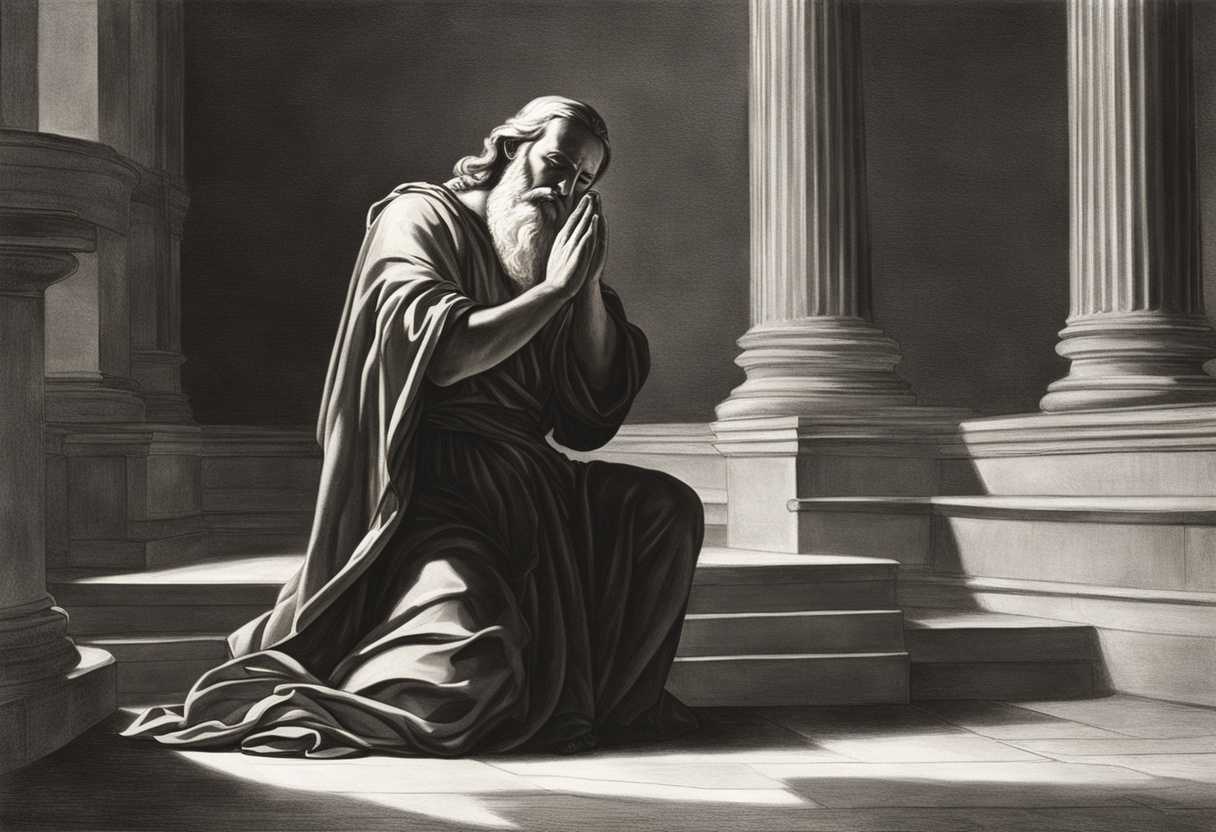
Setting the Scene for Exodus 32:10-14
The scene in Exodus 32:10-14 takes place at the foot of Mount Sinai, where Moses had gone up to receive the Ten Commandments from God. The Israelites, led by Aaron, grew impatient during Moses’ absence and asked Aaron to make them a god to lead them. Aaron collected their gold jewelry and fashioned a golden calf, which the people began to worship and offer sacrifices to.
As Moses descended the mountain with the tablets of the covenant in his hands, he was met with the sight of the Israelites dancing and reveling before the golden calf. In his anger, he threw down the tablets, breaking them. The Lord was also furious with the people for their idolatry and threatened to destroy them, but Moses interceded on their behalf, reminding God of His promises to their ancestors.
The tense and dramatic scene captures the conflict between the faithless actions of the Israelites and the righteous anger of God, tempered by the intercession of Moses. It serves as a powerful reminder of the consequences of turning away from God and the importance of repentance and seeking forgiveness.
What is Exodus 32:10-14 about?
Moses steps into the role of a mediator between the people of Israel and God in this verse. Despite the numerous times the Israelites have strayed from God’s path and angered Him, Moses bravely stands before God, advocating for forgiveness and mercy towards his people. This act of interceding demonstrates Moses’ deep compassion and dedication to his community, even in the face of their wrongdoings. But why does Moses take on this responsibility? What drives him to plead on behalf of the Israelites, knowing their past transgressions?
Moses’ actions here remind us of the importance of empathy, forgiveness, and standing up for others in times of need. We are reminded of our own capacity to show compassion and advocate for those around us as Moses selflessly puts himself in the line of fire to seek forgiveness for his people. This verse serves as a powerful example of the impact one individual can have when they choose to speak up for the greater good. It challenges us to reflect on our own actions and consider how we can be a source of support, forgiveness, and compassion for those around us.
Understanding what Exodus 32:10-14 really means
In Exodus 32:10-14, we witness a pivotal moment where the Israelites, in Moses’ absence, succumb to idolatry by crafting and worshipping a golden calf. This act of disobedience triggers God’s righteous anger, prompting Him to contemplate punishing the Israelites severely. However, Moses, the faithful leader, steps in to intercede on behalf of his people, pleading with God to show mercy and spare them from destruction.
God’s words, “Let me alone, that my wrath may burn hot against them,” reveal the intensity of His anger towards the Israelites’ betrayal. Despite this, God offers Moses a remarkable opportunity by saying, “I will make of you a great nation,” demonstrating His willingness to fulfill His promises through a faithful servant like Moses. In response, Moses implores God to “turn from your fierce wrath; relent from this harm to Your people,” appealing to God’s mercy and reminding Him of His covenant with the forefathers of Israel.
The passage culminates in a profound moment of divine grace as it states, “So the Lord relented from the harm which He said He would do to His people.” This powerful declaration showcases God’s capacity for forgiveness and His responsiveness to the prayers of an intercessor like Moses. It highlights the transformative impact of intercessory prayer in averting disaster and invoking God’s mercy upon a repentant people.
This narrative resonates with other biblical accounts, such as Abraham’s intercession for Sodom in Genesis 18:22-33 and Moses’ plea for the Israelites in Numbers 14:13-20. These stories underscore the significance of standing in the gap for others through prayer, showcasing the profound influence of intercessory prayer in changing the course of events and invoking God’s compassion.
The relevance of this passage extends to contemporary times, emphasizing the power of intercessory prayer in advocating for others, the boundless mercy of God in forgiving our transgressions, and the crucial role of responsible leadership in guiding and protecting those under our care. It serves as a poignant reminder for us to emulate Moses’ compassion and commitment to intercede for those in need, trusting in God’s willingness to extend grace and restoration to all who seek Him.
In conclusion, the story of Moses’ intercession in Exodus 32:10-14 serves as a timeless lesson on the potency of prayer, the depth of God’s mercy, and the significance of compassionate leadership. It inspires us to be advocates for others, to seek forgiveness and reconciliation, and to trust in the unfailing love and compassion of our Heavenly Father.
Does our intercession change God’s mind?
Moses intercedes on behalf of the Israelites in the passage, pleading with God not to bring destruction upon them. This shows us that intercession can have an effect on the outcome of a situation. God, being just and merciful, is open to hearing the prayers of His people and potentially altering His initial plan in response to intercession.
It is important to note that God’s character is unchanging, and His ultimate plan is sovereign. Intercession does not manipulate or change God’s mind in the sense of altering His character or ultimate purpose. Instead, it demonstrates the relational aspect of prayer and the importance of seeking God’s will through communication and relationship. Intercession ultimately allows the intercessor to develop a deeper connection with God by aligning their heart with God’s purposes.
Through intercession, we participate in God’s work and become vessels through which His will can be carried out on earth. While God’s plans remain firm, our prayers can be a part of bringing about His desired outcomes in the world. Our intercession reflects our trust in God’s goodness and our willingness to be used by Him to bring about His purposes.
Application
Let’s harness the power of prayer like Moses did in Exodus 32:10-14. As he fervently interceded with God, let’s also approach the throne of grace boldly for our families, friends, and society. Our prayers hold the key to transforming the heavenly realm. Will you stand with me in unwavering prayer, shaping our world with divine guidance and intervention?

Reverend Michael Johnson is an experienced Church Minister with a profound expertise in spirituality and guidance. With a serene presence and a compassionate heart, he has faithfully served his congregation for over 20 years, leading them on a spiritual journey towards inner peace and enlightenment. Reverend Johnson’s extensive knowledge of religious philosophies and profound understanding of human nature have made him a trusted confidant and mentor to many, as he seamlessly weaves his profound wisdom into life teachings. Reverend Johnson’s calming demeanor and empathetic nature continue to uplift and heal souls, nurturing a sense of unity and tranquility within his community.