
Exodus 32:15-16 is about when Moses received the stone tablets inscribed with the Ten Commandments from God on Mount Sinai, symbolizing the covenant between God and the Israelites and emphasizing the importance of obedience to divine laws.
15 Then Moses turned and went down from the mountain with the two tablets of the testimony in his hand, tablets that were written on both sides; on the front and on the back they were written.
16 The tablets were the work of God, and the writing was the writing of God, engraved on the tablets.
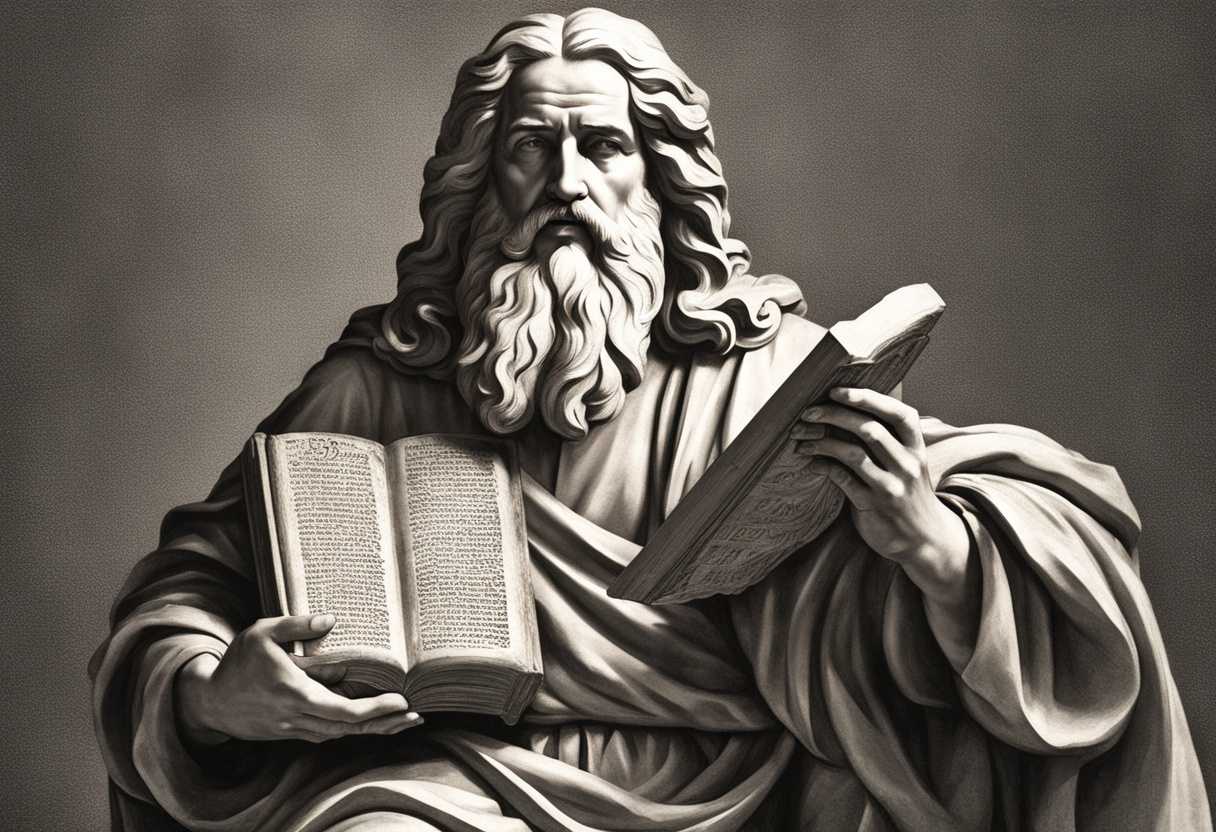
Setting the Scene for Exodus 32:15-16
The scene described in Exodus 32:15-16 takes place at the foot of Mount Sinai, where Moses has been communing with God and receiving the Ten Commandments. As Moses descends the mountain, he is carrying the two tablets of the covenant law that God had inscribed with His own finger. The atmosphere is charged with anticipation and reverence as the Israelites await Moses’ return.
The Israelites, led by Aaron, had grown impatient during Moses’ absence and had crafted a golden calf to worship in place of the unseen God. The sound of revelry and idolatrous worship fills the air as Moses approaches the camp. The people are caught off guard by Moses’ sudden appearance, and there is a mixture of fear and guilt among them as they realize the gravity of their actions.
Moses, filled with righteous anger, confronts the people and shatters the tablets at the sight of their idolatry. The scene is tense as Moses calls the people to account for their sin and begins the process of seeking God’s forgiveness and reconciliation for the nation of Israel.
What is Exodus 32:15-16 about?
Imagine standing at the base of Mount Sinai, watching as Moses ascends to meet with God. Picture the awe and reverence in the air as he receives the tablets inscribed with the Ten Commandments. This moment marks a pivotal point in the relationship between God and the Israelites, setting forth a code of moral and ethical guidelines to live by.
The tablets of the Ten Commandments symbolize God’s covenant with His people, a sacred agreement outlining the expectations for living a righteous life. The Israelites were to demonstrate their commitment to God and their dedication to living in harmony with His will by following these commandments. This momentous event underscores the importance of obedience, respect, and reverence in one’s relationship with the Divine.
Reflect on the significance of these commandments in your own life. How do they guide your actions and interactions with others? Believers of all faiths continue to be guided by the timeless wisdom contained within each commandment, serving as a moral compass. We too, like Moses, should uphold the principles of the commandments in our daily lives, striving to walk in righteousness and honor.
Understanding what Exodus 32:15-16 really means
In Exodus 32:15-16, we witness a pivotal moment as Moses descends from Mount Sinai carrying the “Tablets of the Testimony,” the stone tablets inscribed by the finger of God Himself. These tablets symbolize the divine covenant and the law given to the Israelites, highlighting the sacredness and authority of God’s commandments. The phrase “written on both sides” underscores the completeness and thoroughness of God’s law, leaving no room for ambiguity or omission in His instructions for His people. Moreover, the statement “the work of God; the writing was the writing of God” emphasizes the divine origin and authority behind the commandments, reinforcing their significance and relevance to the Israelites and believers today.
In Deuteronomy 9:10, we find a reaffirmation of the divine origin of the tablets, further solidifying the understanding that these laws were not mere human creations but direct revelations from God Himself. Similarly, in 2 Corinthians 3:3, Paul draws a parallel between the physical tablets of the law and the spiritual transformation that occurs in believers, highlighting the profound impact of God’s word on the hearts and lives of His people.
The relevance of these verses extends beyond ancient Israel to our lives today. They serve as a reminder of the divine authority behind God’s commandments, urging us to approach His word with reverence and obedience. The completeness of God’s law, symbolized by the tablets written on both sides, signifies the sufficiency and thoroughness of His instructions for guiding our lives. Just as God desired to write His law on stone tablets, His ultimate desire is to inscribe His commandments on our hearts, leading to a transformative inner renewal.
Consider a teacher meticulously crafting a lesson plan for their students, only to have it disregarded in favor of self-made rules. This scenario mirrors Moses’ experience with the Israelites and illustrates the chaos that ensues when divine guidance is ignored. Similarly, when we neglect God’s instructions, we risk wandering aimlessly, disconnected from His intended path for us.
Practically applying these insights involves respecting divine guidance, internalizing God’s law, and fostering community accountability. By honoring God’s word as Moses revered the tablets, we acknowledge its authority in shaping our lives. Reflecting on how we can internalize His commandments allows us to align our actions with His will daily. Furthermore, recognizing our role within a community underscores the impact of our obedience to God’s law on those around us, emphasizing the importance of mutual support and encouragement in living out His principles.
By delving into the depth and significance of Exodus 32:15-16, we gain a richer understanding of the divine guidance bestowed upon us. Let us strive to uphold God’s commandments with reverence, allowing His word to permeate our hearts and guide our interactions with others, ultimately reflecting His love and truth in all aspects of our lives.
How can we maintain a close relationship with God?
To maintain a close relationship with God, we must strive to keep our hearts and minds focused on Him. It involves living a life that is centered on faith, prayer, and obedience to His will. We can deepen our connection with God by spending time in prayer, reading the Bible, and actively seeking His guidance. We should make an effort to be mindful of His presence in every aspect of our lives and seek to align our actions with His teachings.
Additionally, cultivating a spirit of humility and gratitude is essential in maintaining a close relationship with God. Recognizing that we are dependent on Him for everything and offering thanks for His blessings can help us stay connected to Him. We can strengthen our bond with God by acknowledging His sovereignty and showing reverence for His power and majesty. It’s important to approach Him with a humble and contrite heart, seeking His forgiveness and mercy in times of need. Consistent effort and a genuine desire to draw near to Him are required to ultimately maintain a close relationship with God. We can experience His presence in a meaningful way by prioritizing our spiritual growth and making God the center of our lives. Embracing His love, grace, and guidance, we can walk closely with Him and experience the deep fulfillment that comes from a relationship with our Creator.
Application
Invite God into your work and family just like Moses did in building the tabernacle. Let His presence guide you in every decision and action you take. Reflect His love and wisdom in all that you do, both at work and at home. Are you prepared to walk hand in hand with God in every step you take?

Reverend Michael Johnson is an experienced Church Minister with a profound expertise in spirituality and guidance. With a serene presence and a compassionate heart, he has faithfully served his congregation for over 20 years, leading them on a spiritual journey towards inner peace and enlightenment. Reverend Johnson’s extensive knowledge of religious philosophies and profound understanding of human nature have made him a trusted confidant and mentor to many, as he seamlessly weaves his profound wisdom into life teachings. Reverend Johnson’s calming demeanor and empathetic nature continue to uplift and heal souls, nurturing a sense of unity and tranquility within his community.