
Exodus 33:1 is about God instructing Moses to lead the Israelites onward, despite their moments of disobedience and His warning of not personally accompanying them due to their stiff-necked ways, highlighting the importance of obedience and reliance on God’s presence in their journey.
1 The Lord said to Moses, “Depart; go up from here, you and the people whom you have brought up out of the land of Egypt, to the land of which I swore to Abraham, Isaac, and Jacob, saying, ‘To your offspring I will give it.’
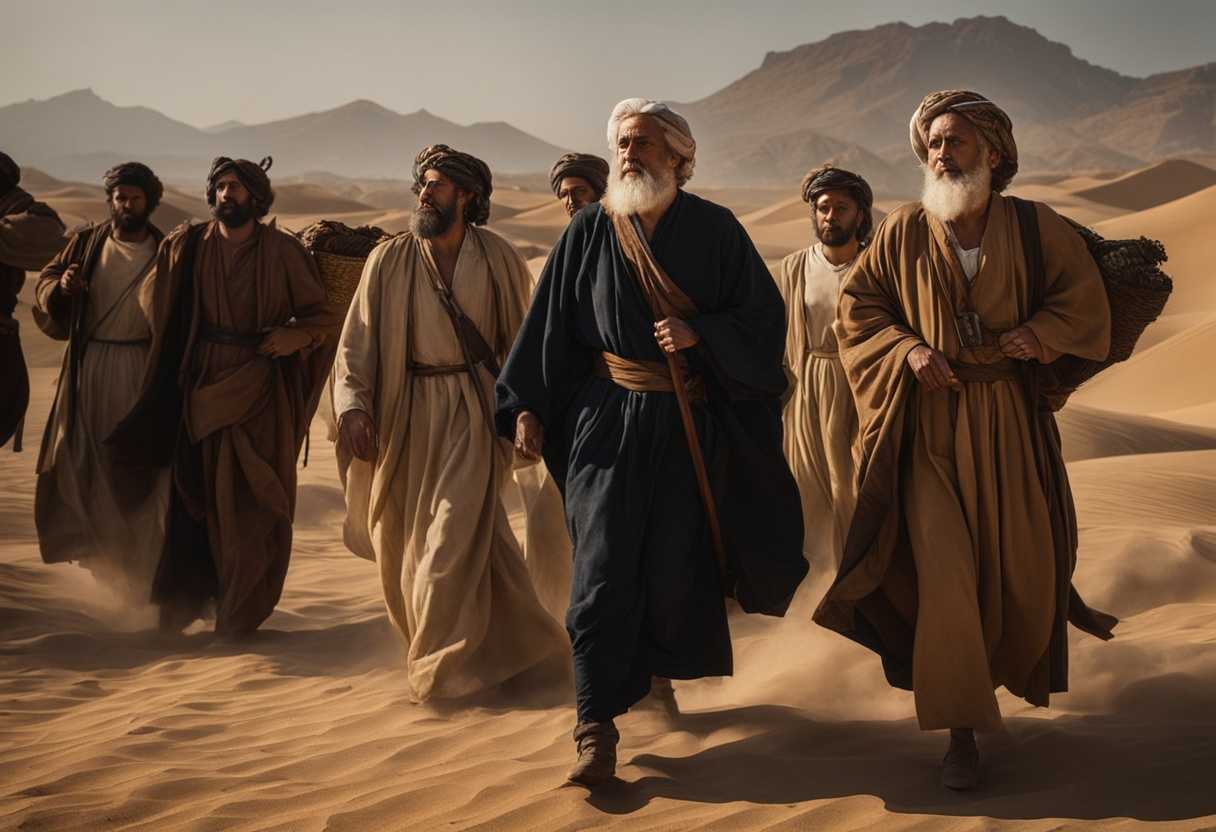
Setting the Scene for Exodus 33:1
In Exodus 33, we find Moses in conversation with God at the Tent of Meeting. The scene is set in the wilderness, where the Israelites have been wandering after their exodus from Egypt. The Tent of Meeting is a special place where Moses goes to speak with God, seeking guidance and interceding on behalf of the people.
Moses, a revered leader chosen by God to lead the Israelites out of slavery, is deeply troubled by the people’s disobedience and the breaking of the covenant with God. In this particular scene, Moses is pleading with God for His presence to go with them on their journey. The weight of responsibility and the magnitude of the task ahead are evident in Moses’ demeanor as he seeks reassurance and guidance from the Almighty.
Surrounded by the vast desert landscape, with the Tent of Meeting as the focal point, Moses stands in humble yet bold conversation with God. The tension between the people’s shortcomings and God’s faithfulness is palpable in this moment, as Moses navigates the complexities of leadership and faith in the midst of uncertainty.
What is Exodus 33:1 about?
God gives a directive to the Israelites in this verse to move forward from Mount Sinai towards the Promised Land. This signifies a pivotal moment in their journey as they transition from a period of revelation and instruction at Mount Sinai to a phase of action and implementation towards their ultimate destination. God is urging the Israelites to leave the comfort and familiarity of Mount Sinai and embrace change, growth, and progress despite any uncertainties or challenges they may face ahead. We can draw parallels to our own lives and journeys as we reflect on this verse. Just like the Israelites, we also encounter moments where we must leave behind what is familiar and embark on new paths towards our own “Promised Lands.” God’s command here reminds us to trust in His guidance, have faith in the journey ahead, and take bold steps towards our goals and aspirations even when it may seem daunting. So, as we contemplate this verse, let us ask ourselves: What symbolic Mount Sinai do we need to move away from in order to move closer to our “Promised Land”? What steps can we take today to heed God’s call to continue forward on our own journey towards fulfillment and purpose? Let us find inspiration and courage in this verse.
Understanding what Exodus 33:1 really means
In the narrative of Exodus, we encounter a pivotal moment in Exodus 33:1 where God instructs Moses to lead the Israelites towards the Promised Land following their deliverance from Egypt. This directive comes on the heels of the Golden Calf incident, a grave sin committed by the Israelites in worshipping an idol, prompting God’s righteous anger and Moses’ fervent intercession on behalf of the people.
As we delve into the key phrases of this verse, we uncover profound meanings that resonate with timeless truths. The command to “Depart, go up from here” symbolizes a fresh start, a beckoning to forge ahead despite past transgressions. The mention of “You and the people whom you have brought up out of the land of Egypt” underscores Moses’ pivotal role in leadership and the collective journey of the Israelite community. Moreover, the reference to “the land of which I swore to Abraham, Isaac, and Jacob” signifies the faithfulness of God in fulfilling His covenant promises to the patriarchs.
Drawing connections to related passages such as Genesis 12:1-3, Deuteronomy 1:8, and Hebrews 11:8-10, we witness a tapestry of God’s enduring promises and the unwavering faith of those who walked before us. These passages illuminate the foundation of faith and obedience that underpins the journey towards the Promised Land, echoing the call for contemporary believers to trust in God’s faithfulness and embrace their role in His redemptive plan.
In our present context, Exodus 33:1 serves as a poignant reminder of the intertwined themes of faith, obedience, and leadership. Just as the Israelites were summoned to trust and obey God amidst their failings, we too are called to press forward with unwavering faith in His providence. This verse stands as a testament to God’s steadfast commitment to His promises, urging us to anchor our hope in His unchanging character and sovereign will.
Consider a scenario where an individual grapples with setbacks in their professional journey, feeling despondent and uncertain about the future. Reflecting on God’s charge to Moses, they can find solace in the assurance that their story is not yet concluded. Like the Israelites embarking on a journey towards the Promised Land, they are encouraged to persevere in faith and obedience, trusting that God has a destination of purpose and fulfillment awaiting them.
In conclusion, Exodus 33:1 encapsulates profound truths about God’s call to progress, His fidelity to His word, and the significance of leadership and trust in His divine narrative. It beckons us to relinquish the shackles of past failures, step boldly into the unknown, and embrace the future with unwavering confidence in the providential guidance of our faithful God.
How can we seek God’s presence in difficult times?
When facing difficult times, we can seek God’s presence by acknowledging our dependence on Him and turning to Him in prayer. We can express our struggles, fears, and uncertainties to God, seeking His comfort and guidance. We invite His presence to dwell with us and provide us with strength and peace by humbling ourselves before God and laying our burdens at His feet.
Additionally, we can seek God’s presence in difficult times by spending time in solitude and reflection. Taking moments to quiet our minds and hearts, we create space to listen for God’s voice and direction. Through meditation on scripture, prayer, and simply being still before God, we can experience His presence and find solace in knowing that He is with us through every trial and tribulation.
Lastly, seeking fellowship with other believers can also help us to find God’s presence in difficult times. We can experience the love and support of the body of Christ by coming together with fellow Christians for worship, prayer, and encouragement. Through sharing our burdens with others and standing in solidarity with one another, we can find strength and comfort in knowing that we are not alone in our struggles, but that God is present in the midst of our community.
Application
Discover the power of seeking God’s presence in your life. Transform your relationship with the Almighty by embracing prayer, reflection, and living His teachings every day. Don’t settle for surface-level faith; aim for a deep, unwavering connection rooted in love and devotion. Will you seize this opportunity to strengthen your bond with God right now?

Reverend Michael Johnson is an experienced Church Minister with a profound expertise in spirituality and guidance. With a serene presence and a compassionate heart, he has faithfully served his congregation for over 20 years, leading them on a spiritual journey towards inner peace and enlightenment. Reverend Johnson’s extensive knowledge of religious philosophies and profound understanding of human nature have made him a trusted confidant and mentor to many, as he seamlessly weaves his profound wisdom into life teachings. Reverend Johnson’s calming demeanor and empathetic nature continue to uplift and heal souls, nurturing a sense of unity and tranquility within his community.