
Exodus 33:7-11 is about God’s special presence descending upon Moses and speaking to him face to face, symbolizing the deep and intimate relationship between God and his faithful servant.
7 Now Moses used to take the tent and pitch it outside the camp, far off from the camp, and he called it the tent of meeting. And everyone who sought the Lord would go out to the tent of meeting, which was outside the camp.
8 Whenever Moses went out to the tent, all the people would rise up, and each would stand at his tent door, and watch Moses until he had gone into the tent.
9 When Moses entered the tent, the pillar of cloud would descend and stand at the entrance of the tent, and the Lord would speak with Moses.
10 And when all the people saw the pillar of cloud standing at the entrance of the tent, all the people would rise up and worship, each at his tent door.
11 Thus the Lord used to speak to Moses face to face, as a man speaks to his friend.
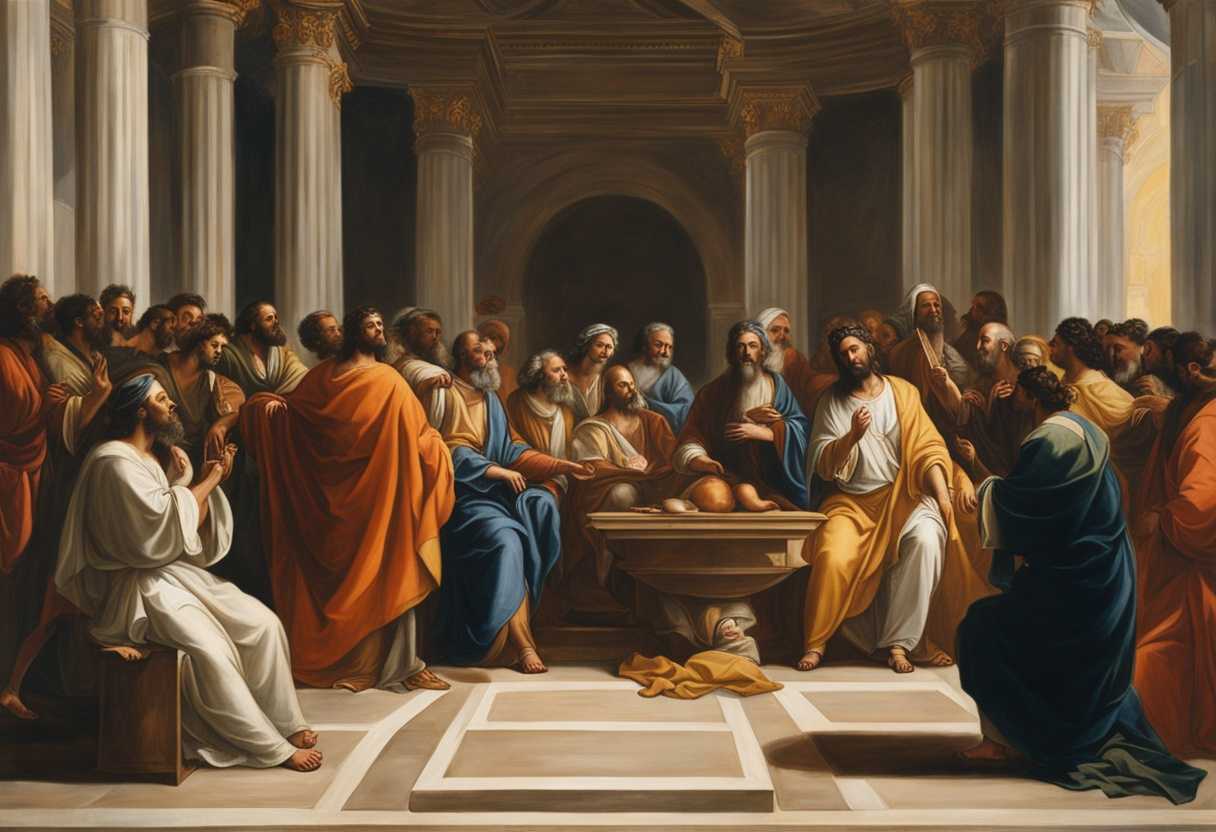
Setting the Scene for Exodus 33:7-11
In Exodus 33:7-11, we find Moses setting up the “Tent of Meeting” outside the camp of the Israelites. This tent served as a place where Moses would meet with God and seek His guidance and wisdom. The Israelites would watch as Moses entered the tent, and the pillar of cloud, a visible sign of God’s presence, would descend and stand at the entrance of the tent.
Joshua, the son of Nun, would also accompany Moses to the Tent of Meeting, acting as a faithful assistant and witness to the encounters between Moses and God. The scene is set in the wilderness, with the vast expanse of the desert surrounding the camp of the Israelites. The atmosphere is charged with anticipation and reverence as Moses and Joshua enter the tent to commune with the Almighty.
The relationship between Moses and God is highlighted in this scene, showcasing the unique bond between the two and the special role that Moses plays as a mediator between God and the people of Israel. The setting of the Tent of Meeting symbolizes the sacred space where divine communication takes place, emphasizing the importance of seeking God’s presence and guidance in the midst of the challenges and uncertainties faced by the Israelites in the wilderness.
What is Exodus 33:7-11 about?
Moses enters the tent of meeting to meet with God in this verse. Imagine the solemn atmosphere as Moses, the chosen leader of the Israelites, steps into the sacred space to seek the presence and guidance of God. This act symbolizes Moses’s humility, faith, and dependence on God’s wisdom and direction. It shows how important it is to seek God’s presence when facing challenges or making important decisions in our lives.
Have you ever felt the need to seek guidance or solace in a place of peace and prayer? We too can turn to God in times of need, just as Moses sought God in the tent of meeting. This verse reminds us of the importance of seeking divine guidance in our lives and trusting in God’s wisdom and plan for us. It encourages us to cultivate a personal relationship with God, just like Moses did, to seek His presence and direction in all aspects of our lives.
Understanding what Exodus 33:7-11 really means
In the wilderness, after their exodus from Egypt, the Israelites found themselves under the leadership of Moses, who served as their intermediary with God. Amidst this backdrop, a significant event unfolds as Moses takes the tent of meeting and pitches it outside the camp. This act of setting the tent apart from the ordinary space symbolizes the need for separation and sanctity in encountering the divine. It underscores the idea that meeting with God often requires stepping away from the mundane and the profane, seeking a space where the sacred can be experienced.
Within this sacred space, the Lord speaks to Moses face to face, akin to a conversation between friends. This intimate and direct form of communication highlights the depth of Moses’ relationship with God, emphasizing the personal nature of divine encounters. As Moses engages in these conversations, the people of Israel rise and stand at the entrances to their tents, demonstrating reverence and respect for the divine interaction taking place. This response also signifies their acknowledgment of Moses’ unique role as a mediator between them and God.
The narrative in Exodus 33:7-11 finds resonance in other biblical passages, such as Numbers 12:6-8, where God speaks of the distinctiveness of His relationship with Moses, characterized by clear communication. Hebrews 4:16 further encourages believers to approach God’s throne with confidence, reflecting the access to God that Moses exemplified. Similarly, in John 15:15, Jesus refers to His disciples as friends, highlighting the personal and intimate relationship believers can cultivate with God, akin to that of Moses.
The relevance of this passage extends to contemporary believers, inviting them to nurture a personal relationship with God through prayer and scripture. Just as Moses sought intimacy with God, individuals today are encouraged to create sacred spaces in their lives for divine encounters, away from distractions. Additionally, the communal response of the Israelites to Moses’ meetings with God underscores the importance of communal respect and support for spiritual leaders and practices, emphasizing the significance of community witness in faith journeys.
In a modern context, one can envision a busy professional who carves out a specific time and place daily for prayer and reflection. Despite the demands of work and family, this intentional act of stepping away from the routines of daily life to meet with God brings clarity, peace, and guidance. This practice not only deepens personal faith but also serves as a witness to family and colleagues, highlighting the importance of prioritizing spiritual life amidst worldly responsibilities.
As we contemplate the lessons from Exodus 33:7-11, we are prompted to reflect on how we can create our own “tent of meeting” in life. Where can we set aside time and space to encounter God more intimately? Like Moses, we are encouraged to seek a personal and direct relationship with God, approaching Him with confidence and reverence, knowing that He desires to communicate with us as a friend.
How can we cultivate a deeper intimacy with God?
One way to cultivate a deeper intimacy with God is by setting aside dedicated time for prayer and communication with Him. We can create a sacred space for our own personal encounters with the Divine, just as Moses entered the tent of meeting to speak with God face to face. This intentional act of seeking God and spending quality time in His presence can help foster a deeper connection and intimacy with Him.
Additionally, building a strong and consistent prayer life can also deepen our intimacy with God. Through regular and heartfelt communication with the Lord, we allow Him to speak to our hearts, reveal His will to us, and comfort us in times of need. Pouring out our thoughts, feelings, and desires in prayer opens us up to experiencing a profound sense of closeness and connection with God.
Furthermore, studying and meditating on God’s Word is essential for cultivating intimacy with Him. We can seek to understand God’s character, His promises, and His will for our lives through Scripture, just as Moses spent time listening to God and receiving His instructions. We can draw closer to God and experience a deeper level of intimacy with Him by immersing ourselves in the Word and allowing it to transform our hearts and minds.
Application
Unlock the power within you by strengthening your bond with the Divine. Just as Moses communed intimately with God, nurture your spiritual connection through fervent prayer, unwavering devotion, and faithful living. Take the first step towards a deeper relationship with the Creator – it’s a journey that will transform your life and soul. Are you ready to embark on this sacred quest for transcendence? Join in communion with the Divine today.

Reverend Michael Johnson is an experienced Church Minister with a profound expertise in spirituality and guidance. With a serene presence and a compassionate heart, he has faithfully served his congregation for over 20 years, leading them on a spiritual journey towards inner peace and enlightenment. Reverend Johnson’s extensive knowledge of religious philosophies and profound understanding of human nature have made him a trusted confidant and mentor to many, as he seamlessly weaves his profound wisdom into life teachings. Reverend Johnson’s calming demeanor and empathetic nature continue to uplift and heal souls, nurturing a sense of unity and tranquility within his community.