
Exodus 34:1-9 is about God’s display of mercy and forgiveness despite the Israelites’ disobedience, emphasizing His willingness to renew the covenant with His people after they had broken it.
1 The Lord said to Moses, “Cut for yourself two tablets of stone like the first, and I will write on the tablets the words that were on the first tablets, which you broke.
2 Be ready by the morning, and come up in the morning to Mount Sinai, and present yourself there to me on the top of the mountain.
3 No one shall come up with you, and let no one be seen throughout all the mountain. Let no flocks or herds graze opposite that mountain.”
4 So Moses cut two tablets of stone like the first. And he rose early in the morning and went up on Mount Sinai, as the Lord had commanded him, and took in his hand two tablets of stone.
5 The Lord descended in the cloud and stood with him there, and proclaimed the name of the Lord.
6 The Lord passed before him and proclaimed, “The Lord, the Lord, a God merciful and gracious, slow to anger, and abounding in steadfast love and faithfulness,
7 keeping steadfast love for thousands, forgiving iniquity and transgression and sin, but who will by no means clear the guilty, visiting the iniquity of the fathers on the children and the children’s children, to the third and the fourth generation.
8 And Moses quickly bowed his head toward the earth and worshiped.
9 And he said, “If now I have found favor in your sight, O Lord, please let the Lord go in the midst of us, for it is a stiff-necked people, and pardon our iniquity and our sin, and take us for your inheritance.”
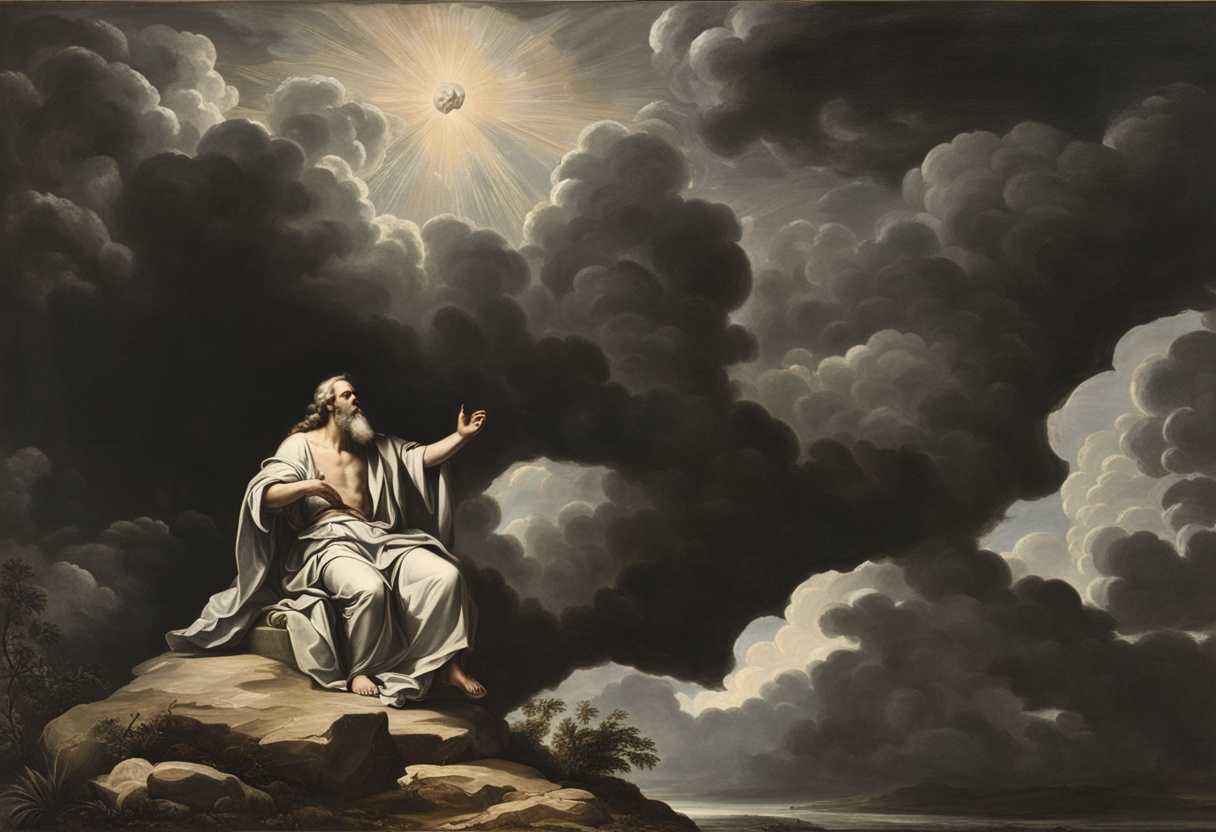
Setting the Scene for Exodus 34:1-9
In Exodus 34:1-9, we find Moses on Mount Sinai, having just received the Ten Commandments from God. After breaking the original tablets in anger at the sight of the Israelites worshiping the golden calf, Moses is instructed by God to chisel out two new stone tablets. He is then summoned by God to come up the mountain once again to receive the commandments written on the new tablets.
As Moses ascends the mountain, he is enveloped in a thick cloud, signifying the presence of God. The atmosphere is charged with a sense of awe and reverence as Moses stands in the presence of the Almighty. The scene is both majestic and humbling, with the mountain shrouded in mist and the sound of thunder echoing in the background. Moses is alone in this momentous encounter with God, a chosen vessel through which the divine will is communicated to the people of Israel.
Surrounded by the grandeur of the mountain and the power of God’s presence, Moses listens as God proclaims His name and declares His attributes of mercy, grace, patience, and justice. This encounter serves as a pivotal moment in the relationship between God and His people, reaffirming the covenant and setting the stage for the continued journey of the Israelites towards the Promised Land.
What is Exodus 34:1-9 about?
This verse gives us a glimpse into the nature and character of God as He renews His covenant with Moses. It emphasizes that God is compassionate, merciful, patient, and just. This renewal of the covenant is not just a legal agreement but a reflection of the deep relationship that God desires to have with His people. Through this act, God is reaffirming His commitment to always be there for His people, to guide them, and to show them the way to live in accordance with His will. God’s unwavering love and faithfulness towards His people are reminded to us as we reflect on this verse. We see that His compassion and grace know no bounds, and that He is always willing to forgive and show mercy. At the same time, His patience and justice remind us that there are consequences for our actions, but He is always there to guide us back onto the right path. This verse invites us to ponder on the nature of our own relationship with God – do we also strive to embody these qualities in our interactions with others? How can we cultivate a deeper understanding of God’s character and reflect it in our own lives?
Understanding what Exodus 34:1-9 really means
In Exodus 34:1-9, we find a pivotal moment in the relationship between God and the Israelites. The historical backdrop is crucial to understanding the significance of this passage. Following the grave sin of worshipping the golden calf, Moses shattered the original tablets inscribed with God’s commandments. Now, God instructs Moses to carve out new tablets, symbolizing the renewal of the covenant between God and His people. These tablets serve as a tangible reminder of God’s laws and promises, reinforcing the bond between the Creator and His chosen nation.
The key phrases in this passage offer profound insights into God’s character. When God proclaims Himself as “the compassionate and gracious God, slow to anger, abounding in love and faithfulness,” we witness His unwavering mercy and patience. Despite Israel’s transgressions, God’s nature is one of forgiveness and restoration. His love extends to thousands of generations, encompassing even the most grievous sins. However, the declaration that “he does not leave the guilty unpunished” underscores the importance of justice alongside mercy in God’s divine attributes.
Drawing parallels with other biblical passages enriches our understanding of God’s enduring qualities. Psalm 103:8-12 and Nehemiah 9:17 echo the themes of God’s compassion, grace, and forgiveness, reinforcing the timeless message of Exodus 34. Even in the New Testament, John 1:14 portrays Jesus as embodying the same grace and truth revealed in God’s self-revelation to Moses.
The relevance of Exodus 34:1-9 extends to contemporary believers in profound ways. By grasping the delicate balance of God’s mercy and justice, we gain insight into fostering a deeper relationship with Him. This passage serves as a source of encouragement for repentance, reminding us of God’s compassionate nature that welcomes us back into His embrace when we stray. As followers of Christ, we are called to mirror God’s attributes of compassion, grace, and patience in our interactions with others, embodying His love and faithfulness in a broken world.
An anecdote can illuminate the transformative power of understanding God’s character as depicted in Exodus 34. Just as a compassionate father seeks restoration rather than immediate punishment for his child’s mistakes, God’s response to Israel reflects a desire for reconciliation and relationship. This narrative underscores the importance of approaching others with grace and understanding, mirroring God’s own nature in our daily interactions.
In conclusion, Exodus 34:1-9 unveils profound truths about God’s multifaceted character—His mercy, patience, love, and justice. These attributes not only shape our perception of God but also provide a blueprint for how we should navigate our relationships and conduct ourselves in the world. Let this passage inspire a deep reflection on seeking God’s forgiveness, extending grace to others, and embodying His love and faithfulness in every facet of our lives.
What does it mean to experience God’s presence?
Experiencing God’s presence means feeling His closeness, His peace, and His power in a tangible way. It involves a deep sense of connection to the Divine, a heightened awareness of His existence, and a profound feeling of reverence and awe. When God’s presence is experienced, it is often described as a feeling of being surrounded by His love and grace, a sense of His guidance and protection, and a knowledge that He is near and actively involved in our lives. God’s presence in Exodus 34:1-9 is depicted as a physical manifestation of His glory and holiness. Moses encounters God on Mount Sinai and is enveloped by His presence, represented by a cloud. During this encounter, Moses is filled with a sense of reverence and is directly in communication with God, experiencing a profound connection to Him. This experience of God’s presence is transformative, as it solidifies Moses’ faith, strengthens his resolve, and deepens his relationship with the Divine. Experiencing God’s presence in this context ultimately demonstrates the power and majesty of God and His willingness to reveal Himself to His chosen ones.
Application
Embrace Exodus 34:1-9 as a guide to seeking forgiveness and renewal in your relationship with God. Leave behind the burden of sins and humbly approach the Lord with a heart open to change. Invite His love and grace to reshape your inner being. Are you ready to commit to a life of repentance and renewal in God’s presence?

Reverend Michael Johnson is an experienced Church Minister with a profound expertise in spirituality and guidance. With a serene presence and a compassionate heart, he has faithfully served his congregation for over 20 years, leading them on a spiritual journey towards inner peace and enlightenment. Reverend Johnson’s extensive knowledge of religious philosophies and profound understanding of human nature have made him a trusted confidant and mentor to many, as he seamlessly weaves his profound wisdom into life teachings. Reverend Johnson’s calming demeanor and empathetic nature continue to uplift and heal souls, nurturing a sense of unity and tranquility within his community.