
Exodus 34:28 is about Moses spending forty days and forty nights in the presence of God on Mount Sinai, emphasizing the importance of seeking God’s guidance and wisdom through prayer and reflection.
28 So he was there with the Lord forty days and forty nights. He neither ate bread nor drank water. And he wrote on the tablets the words of the covenant, the Ten Commandments.
Setting the Scene for Exodus 34:28
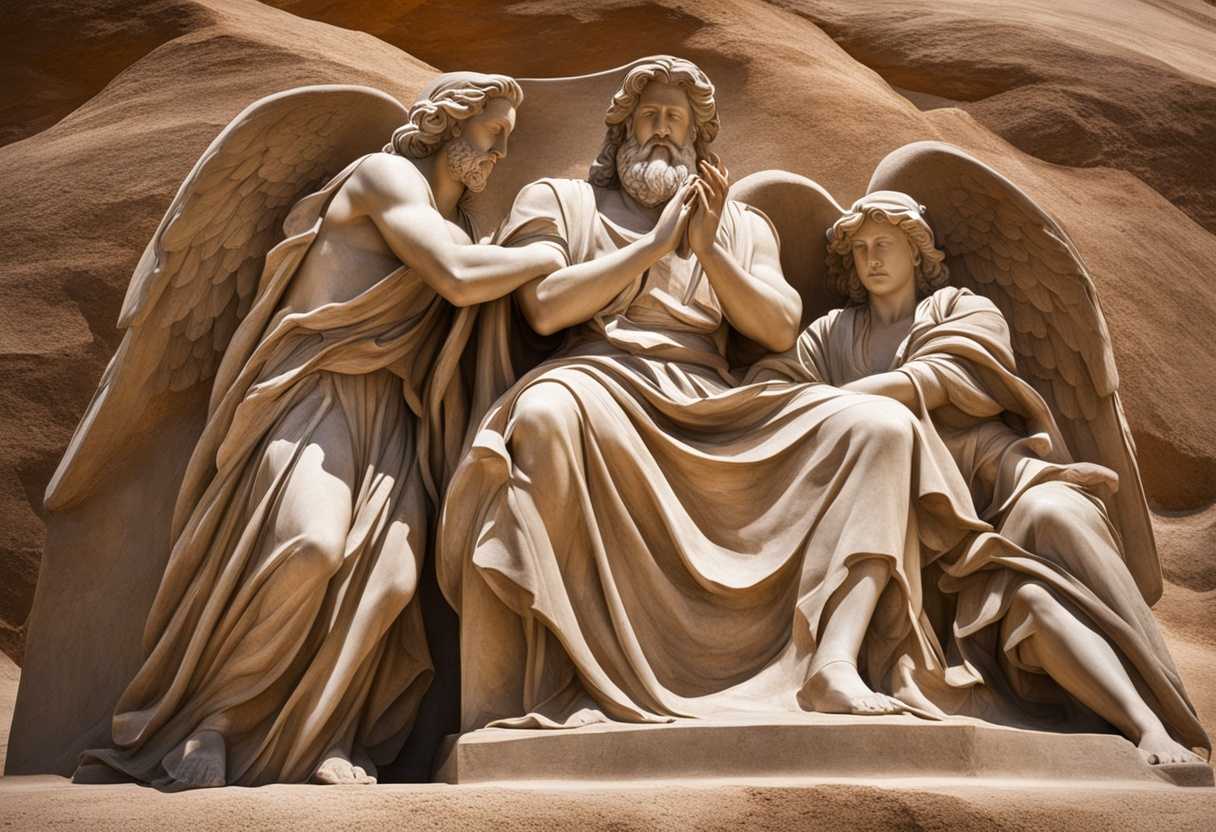
In Exodus 34, we find Moses on Mount Sinai, having just received the Ten Commandments from God. After breaking the original tablets in anger at the sight of the Israelites worshiping the golden calf, Moses has now returned to the mountain to receive a new set of tablets and to commune with God once again. The scene is set amidst the rugged terrain of the mountain, with rocky cliffs and sparse vegetation surrounding them.
Moses is accompanied by Joshua, his assistant and a faithful servant of God. Joshua has been by Moses’ side throughout the journey in the wilderness and has witnessed firsthand the miracles and wonders that God has performed through Moses. As they stand on the mountain, the presence of God descends in a cloud, enveloping them in His glory. The atmosphere is charged with reverence and awe as Moses prepares to receive the commandments once more, symbolizing the renewal of the covenant between God and His people.
In this moment, Moses fasts and abstains from food and water for forty days and forty nights, fully dedicating himself to seeking God’s guidance and forgiveness for the sins of the Israelites. The silence of the mountain is broken only by the sound of the wind and the occasional rumble of thunder, underscoring the solemnity and importance of the occasion. Joshua stands watchful and supportive, a witness to the faith and devotion of his leader as they await the next divine revelation.
What is Exodus 34:28 about?
This verse highlights a significant moment in the religious and spiritual history of the Israelites. Imagine the dedication and focus required for Moses to fast for 40 days and nights while receiving such profound guidance from God. This act of fasting symbolizes Moses’ complete surrender and devotion to receiving the divine teachings, demonstrating the importance of spiritual discipline and commitment in seeking higher truths. Moses’s period of fasting and revelation has a transformative power worth considering. Through his sacrifice and dedication, Moses was able to receive the foundational principles that would shape the moral and ethical framework of his people for generations to come. This powerful narrative reinforces the idea that moments of deep reflection, sacrifice, and connection with the divine can lead to profound spiritual growth and enlightenment. We reflect on Moses’ fasting and receiving of the Ten Commandments, reminding us of the importance of setting aside time for spiritual practices, seeking guidance from higher powers, and staying committed to our beliefs and values even in the face of challenges.
Understanding what Exodus 34:28 really means
In the narrative of Exodus, we witness Moses ascending Mount Sinai to receive the divine revelation of the Ten Commandments from God. This pivotal moment underscores Moses’ unwavering dedication and the profound significance of the covenant established between God and the Israelites. The verse in question, Exodus 34:28, encapsulates a period of forty days and forty nights during which Moses neither ate bread nor drank water. This duration symbolizes a time of testing, trial, and transformation, echoing a recurring theme in the Bible that signifies a significant spiritual journey.
Moses’ abstention from food and drink highlights his complete dependence on God and his deep spiritual commitment. It serves as a poignant reminder of the miraculous sustenance provided by God during this period of intense communion. The act of writing the words of the covenant, the Ten Commandments, on the tablets further emphasizes the foundational importance of these moral guidelines in the covenant between God and His people. These commandments serve as a compass for ethical living and a roadmap for the relationship between individuals and God.
Drawing parallels from other biblical passages, such as Deuteronomy 9:9, Matthew 4:2, and 1 Kings 19:8, we see a pattern of spiritual fortification through fasting and divine encounters. These instances underscore the transformative power of dedicating oneself to seeking God through spiritual disciplines. In a contemporary context, the verse resonates with the call for spiritual discipline amidst the distractions of modern life. It urges individuals to carve out time for prayer, fasting, and seeking God, fostering profound spiritual growth and connection.
The narrative of Exodus 34:28 also serves as a poignant reminder of the importance of dependence on God. Just as Moses relied entirely on God for sustenance during his time on Mount Sinai, individuals today are encouraged to trust in God for their needs, especially in times of trial and uncertainty. The covenant relationship between God and His people, symbolized by the Ten Commandments, remains relevant in guiding individuals in their moral and ethical conduct towards God and others.
Consider a modern-day individual embarking on a period of fasting and prayer to seek clarity and direction in their life. Through this dedicated time with God, they experience a profound sense of peace and receive insights that guide them in making crucial decisions. This anecdote mirrors Moses’ experience on Mount Sinai, illustrating how dedicating time to seek God can lead to transformative outcomes in one’s life. In conclusion, Exodus 34:28 stands as a powerful testament to the transformative power of spiritual dedication, the enduring significance of the covenant with God, and the guiding principles that shape our faith and moral compass.
What practices help us draw closer to God?
One way that helps draw closer to God is through fasting and abstaining from food or other pleasures. We are able to focus our attention and thoughts on God, seeking his presence and wisdom by denying ourselves these physical desires. Through fasting, we create an environment in which we can grow spiritually and deepen our relationship with God.
Another practice that helps us draw closer to God is through spending time in prayer and meditation. We show our desire to connect with God and seek His guidance in our lives by setting aside dedicated time each day to communicate with Him. Prayer allows us to lay our worries and burdens before God, as well as express our gratitude and worship for all that He has done.
Lastly, studying the scriptures and reflecting on the teachings of the Bible is essential in drawing closer to God. We gain knowledge and understanding of His character, His promises, and His will for our lives by immersing ourselves in God’s word. Through the wisdom found in the scriptures, we are able to grow in our faith and come to know God more intimately.
Application
Reflect on your journey like Moses on Mount Sinai. Commit to seeking God wholeheartedly through prayer, fasting, and earnest communion. Are you ready to examine your spiritual dedication and pursue a closer relationship with the divine?

Reverend Michael Johnson is an experienced Church Minister with a profound expertise in spirituality and guidance. With a serene presence and a compassionate heart, he has faithfully served his congregation for over 20 years, leading them on a spiritual journey towards inner peace and enlightenment. Reverend Johnson’s extensive knowledge of religious philosophies and profound understanding of human nature have made him a trusted confidant and mentor to many, as he seamlessly weaves his profound wisdom into life teachings. Reverend Johnson’s calming demeanor and empathetic nature continue to uplift and heal souls, nurturing a sense of unity and tranquility within his community.