
15 God also said to Moses, “Say this to the people of Israel: ‘The Lord, the God of your fathers, the God of Abraham, the God of Isaac, and the God of Jacob, has sent me to you.’ This is my name forever, and thus I am to be remembered throughout all generations.
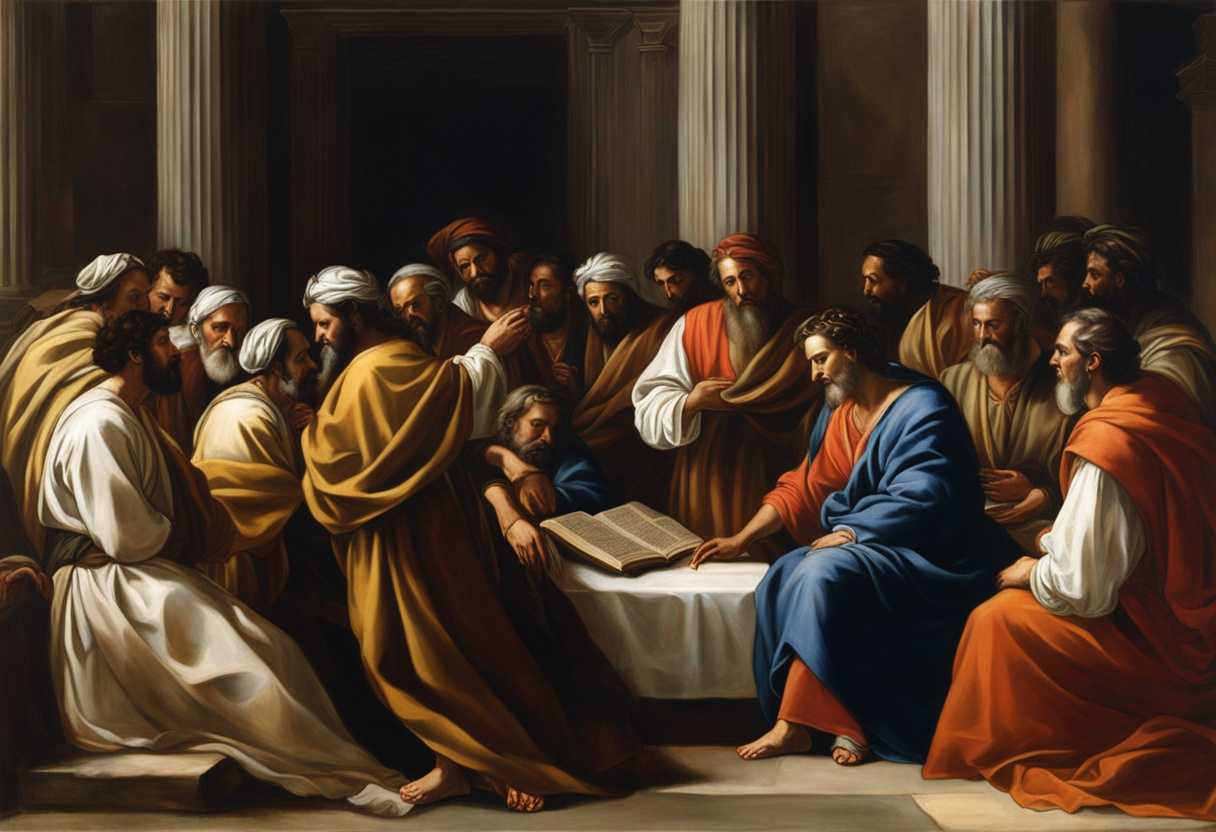
Setting the Scene for Exodus 3:15
In Exodus chapter 3, we find Moses, a former prince of Egypt turned shepherd, tending to his father-in-law Jethro’s flock in the wilderness near Mount Horeb. It is a quiet and desolate place, with the rugged terrain stretching out before him and the occasional sound of a bleating sheep breaking the silence. The sun beats down on the rocky landscape, casting long shadows as the day progresses.
As Moses goes about his daily routine, he suddenly notices a bush that is engulfed in flames but miraculously remains unburned. Curious and drawn to the strange sight, he approaches the bush. It is then that he hears the voice of God calling out to him from the midst of the flames, instructing him to remove his sandals for he is standing on holy ground. Overwhelmed and trembling with awe, Moses listens as God reveals His plan to deliver the Israelites from their bondage in Egypt and lead them to the Promised Land.
In this pivotal moment, Moses is being called to a divine mission that will change the course of history. The scene is charged with a sense of mystery and power, as the presence of God manifests in a humble and unexpected way, setting the stage for the unfolding of a great deliverance and the beginning of a new chapter in the story of the Israelites.
What is Exodus 3:15 about?
Imagine standing before the burning bush, in awe of the presence of God. God shares His timeless name, “I AM,” with Moses in that sacred moment. This profound revelation carries deep significance, reflecting God’s eternal existence, steadfastness, and reliability. When God declares “I AM,” He conveys His unchanging nature and faithfulness. This name transcends time and space, emphasizing His omnipotence and sovereignty over all creation. The same God who spoke to Moses thousands of years ago is still present and active in our lives today. How does the name “I AM” reassure you of God’s constant presence and unwavering love in the midst of life’s uncertainties? Reflect on how this revelation of God’s eternal name inspires trust and dependence on Him, knowing that He is the same yesterday, today, and forever. Let the profound meaning of this verse deepen your understanding of God’s character and fuel your faith to walk boldly in His promises.
Understanding what Exodus 3:15 really means
Structure for Commentary:
- Introduction to the Verse
- Historical and Biblical Context
- Key Phrases and Their Meanings
- Cross-References to Other Biblical Passages
- Relevance Today
- Anecdotal Illustration
- God reveals His eternal name to Moses in this verse: “I am the God of your fathers, the God of Abraham, the God of Isaac, and the God of Jacob.”” This declaration is significant, marking a pivotal moment in the history of the Israelites and their relationship with God.
Historical and Biblical Context
This scene unfolds during Moses’ encounter with the burning bush. God commissions Moses to lead the Israelites out of Egypt. God emphasizes His unbroken covenant and faithfulness to the promises made to the patriarchs by stating His name and lineage.
Key Phrases and Their Meanings
“God of your fathers” underscores continuity and faithfulness. It reminds the Israelites of their heritage and the promises God made to their ancestors. “Abraham, Isaac, and Jacob” are mentioned to establish a direct link to the foundational figures of the Israelite faith, reinforcing the legitimacy and depth of God’s commitment.
Cross-References to Other Biblical Passages
Genesis 17:7, where God promises Abraham, “I will establish my covenant between me and you and your descendants after you.” This verse complements Exodus 3:15 by illustrating the continuity of God’s promise. Additionally, Matthew 22:32 recalls Jesus quoting this same title, affirming God’s living and active presence. The idea of an unchanging, faithful God offers profound comfort in a world that often feels chaotic and uncertain. Many people today struggle with feelings of abandonment or uncertainty about the future. This verse reassures us that just as God was present and faithful to the patriarchs, He remains steadfast in His promises to us. A child who feels lost in a crowded place hears the familiar voice of a parent calling their name. The relief and reassurance that voice brings is akin to the comfort this verse offers. Knowing that God is steadfastly present, just as He was for Abraham, Isaac, and Jacob, can provide immense solace.
Conclusion and Call for Reflection
Reflect on the constancy of God in your life. How does recognizing God as the “God of your fathers” change your perspective on your daily struggles? This verse invites us to trust in God’s enduring presence and faithfulness, encouraging us to see our lives as part of a larger, divine narrative. Let us contemplate this to find peace and purpose in our faith, grounded in the assurance of God’s unchanging love and commitment.
What does it mean to know God by name?
Knowing God by name means having a personal relationship with Him. God reveals His name to Moses as “I AM WHO I AM” in Exodus 3:15, signifying His eternal presence, power, and faithfulness. Knowing God by name helps one understand His character and nature more intimately, fostering a deeper connection and understanding between a person and God.
Furthermore, knowing God by name implies a level of closeness and familiarity in one’s relationship with Him. Just as knowing someone’s name signifies a level of acquaintance and recognition, knowing God by His name signifies a personal knowledge of Him. This personal knowledge allows for communication, trust, and a sense of belonging in the relationship with God.
When one knows God by name, it also signifies a recognition of His authority and sovereignty. Individuals affirm God’s position as the ultimate source of wisdom, guidance, and salvation by acknowledging His name and all that it represents. Knowing God by name involves not just knowing His title, but understanding the depth of His identity and attributing the appropriate reverence and honor to Him.
Application
Think of God’s words to Moses, “I AM WHO I AM,” as your ultimate rock-solid foundation amidst life’s chaos. Just like we rely on family support or a steady job, lean on God’s unchanging character. Imagine the peace of trusting fully in His promises and constancy. Are you ready to anchor yourself to this eternal source of strength and love?

Reverend Michael Johnson is an experienced Church Minister with a profound expertise in spirituality and guidance. With a serene presence and a compassionate heart, he has faithfully served his congregation for over 20 years, leading them on a spiritual journey towards inner peace and enlightenment. Reverend Johnson’s extensive knowledge of religious philosophies and profound understanding of human nature have made him a trusted confidant and mentor to many, as he seamlessly weaves his profound wisdom into life teachings. Reverend Johnson’s calming demeanor and empathetic nature continue to uplift and heal souls, nurturing a sense of unity and tranquility within his community.