
15 and you shall anoint them, as you anointed their father, that they may serve me as priests. And their anointing shall admit them to a perpetual priesthood throughout their generations.”
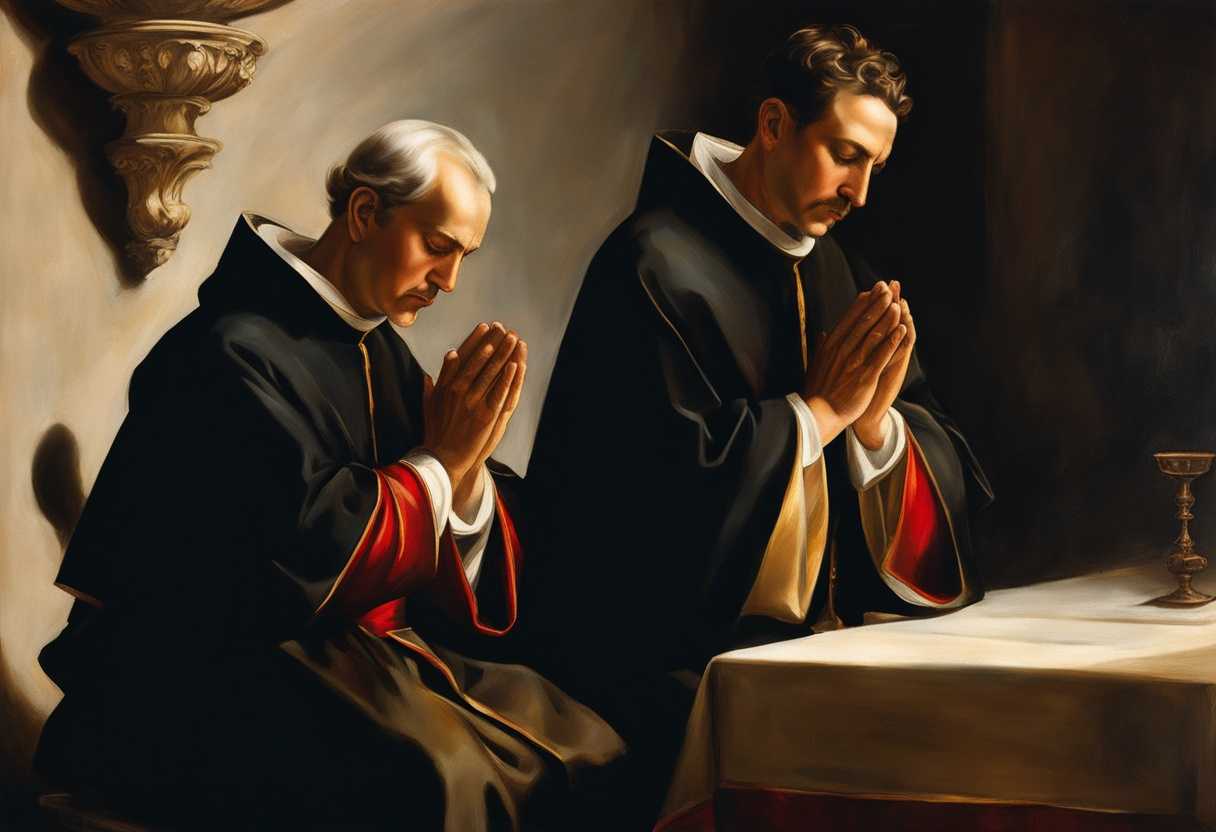
Setting the Scene for Exodus 40:15
In Exodus chapter 40, we find the scene where Moses sets up the tabernacle, following the detailed instructions given to him by God. The tabernacle was a portable sanctuary where the Israelites could worship and offer sacrifices to God during their journey in the wilderness. Moses, the revered leader of the Israelites, oversaw the construction of the tabernacle with the help of skilled craftsmen and the Levites.
As the chapter unfolds, we see Moses anointing and consecrating the tabernacle and all its furnishings, as well as the priests who would serve in it. The atmosphere is one of reverence and anticipation as the Israelites witness the completion of this sacred place of worship. The cloud of God’s presence descends upon the tabernacle, signifying His approval and blessing on their efforts.
Surrounded by the vast desert landscape, the tabernacle stands as a beacon of hope and connection to God for the Israelites. The scene is filled with a sense of awe and wonder as the people gather around to witness the culmination of their journey and the tangible presence of God among them.
What is Exodus 40:15 about?
This verse highlights the significant act of anointing Aaron and his sons for priesthood. The act of anointing in the Bible signifies a special consecration and setting apart for a holy purpose. Aaron and his sons were symbolically being prepared and empowered for their sacred duty to serve the Lord in the priesthood by anointing them. This act is not merely a physical anointing with oil but carries a deep spiritual meaning of being chosen and ordained by God for a specific calling.
Have you ever thought about the power and symbolism behind the act of anointing in the Bible? It goes beyond just a ceremonial ritual – it represents a divine commissioning and empowerment for a specific task. We see the solemnity and importance of consecrating individuals to serve the Lord in a special capacity in this verse. It serves as a reminder of the gravity and honor that comes with serving in the priesthood or any other sacred role. This verse ultimately teaches us about the reverence and significance of being set apart for God’s work and the responsibility that comes with it.
Understanding what Exodus 40:15 really means
**1. It is essential to place this specific verse from Exodus within the broader narrative of the book to understand it. Exodus recounts the journey of the Israelites from slavery in Egypt to their covenant relationship with God. Central to this journey is the establishment of religious practices that solidify their identity as God’s chosen people. The verse we are focusing on highlights the sacredness of the priesthood and the continuity of God’s commandments.
2. Contextual Analysis
The main thrust of this verse involves the consecration of priests and the continuity of their role through generations. This is pivotal for the Israelites because Aaron and his descendants are set apart to minister before God, serving as intermediaries between God and His people.
3. Key Phrases and Their Meanings
- “Anoint them as you anointed their father”: The act of anointing is symbolic of being set apart for a holy purpose. It is a physical manifestation of a spiritual reality. When we see this phrase, it is a reminder of the sacred responsibility and the divine choice involved in the priesthood.
- “So they may serve me as priests”: The purpose of this consecration is service to God. This indicates that the priesthood is not for personal honor, but a position of service.
- “Their anointing will be to a priesthood that will continue throughout their generations”: This denotes the enduring nature of the priesthood, emphasizing legacy and faithfulness to God’s covenant.
4. Scriptural Connections
We can connect this to 1 Peter 2:9, where Peter writes that believers are a “royal priesthood.” This idea extends the concept from a specific family lineage to all believers, signifying that we are all called to serve God. Additionally, Hebrews 7 speaks about the eternal priesthood of Jesus, which transcends the earthly priesthood and offers a lasting connection to God’s promises.
**5. The principle of being set apart for God’s service remains relevant in today’s context, even though we may not have a formal priesthood in the same sense. Each of us is called to a life of service and holiness. This can be particularly meaningful in considering how we approach our roles in family, community, and work. Are we living in a way that reflects our dedication to God’s purposes?
An anecdote here could be of a member of the congregation who feels called to a specific mission, whether that’s teaching, caregiving, or another form of service. Their sense of calling and dedication highlights the timeless relevance of God setting His people apart for particular tasks.
6. Reflective Questions
- How do you feel called to serve in your daily life? You see yourself as set apart for God’s purposes in what ways?
- How can you ensure that your actions reflect the sacred responsibilities entrusted to you?
7. Conclusion
The verse in Exodus underlines a significant aspect of faith: a dedicated service to God that transcends generations. We appreciate our own roles in God’s ongoing narrative by understanding its depth. We are each invited to consider how we can live out our calling with the same seriousness and dedication as the priests of old.
Reflecting on these points can deepen our spiritual journey and enhance our commitment to living out our faith in practical, everyday actions.
How can we maintain God’s presence in our lives?
We can maintain God’s presence in our lives by being obedient to His instructions and dedicating ourselves to following His ways. We invite His presence to dwell among us by living a life of faithfulness, humility, and reverence towards God. Just as the tabernacle was set up as a holy place for God to reside in the midst of the Israelites, we can create a sacred space within our hearts where God’s presence can abide.
Furthermore, consistent prayer, worship, and meditation on God’s Word are key ways to keep God’s presence close to us. Through communication with God and seeking His guidance in all aspects of our lives, we ensure that we are walking in His will and keeping Him at the center of our existence. We can experience God’s continual presence and blessings in our lives by prioritizing our relationship with Him above all else.
Application
Imagine your life as the busiest intersection of work and family. It’s hectic, but there’s purpose in every moment. Just like Aaron and his sons in Exodus 40:15, you’re picked for a special mission, set apart to shine in your unique role. Will you embrace that calling with dedication and humility? Are you ready to step up and make a difference?

Reverend Michael Johnson is an experienced Church Minister with a profound expertise in spirituality and guidance. With a serene presence and a compassionate heart, he has faithfully served his congregation for over 20 years, leading them on a spiritual journey towards inner peace and enlightenment. Reverend Johnson’s extensive knowledge of religious philosophies and profound understanding of human nature have made him a trusted confidant and mentor to many, as he seamlessly weaves his profound wisdom into life teachings. Reverend Johnson’s calming demeanor and empathetic nature continue to uplift and heal souls, nurturing a sense of unity and tranquility within his community.