
Exodus 4:10-11 is about Moses expressing doubt in his abilities to speak on behalf of God, and God reassuring him that He will provide the necessary strength and words for Moses to fulfill his calling.
10 But Moses said to the Lord, “Oh, my Lord, I am not eloquent, either in the past or since you have spoken to your servant, but I am slow of speech and of tongue.”
11 Then the Lord said to him, “Who has made man’s mouth? Who makes him mute, or deaf, or seeing, or blind? Is it not I, the Lord?
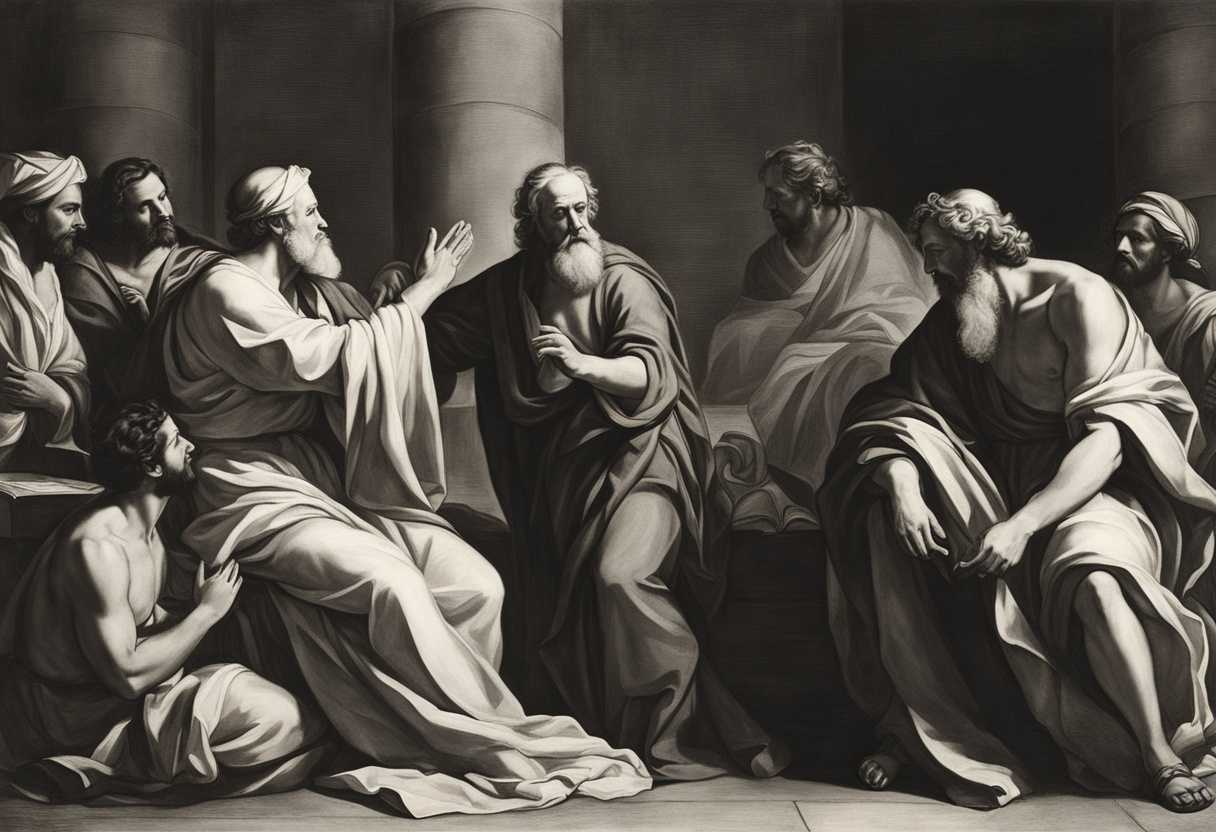
Setting the Scene for Exodus 4:10-11
In Exodus chapter 4, we find Moses standing before the burning bush on Mount Horeb. The scene is set in the rugged and desolate wilderness, with the majestic mountain looming in the background. The bush is ablaze with fire but miraculously remains unburned, capturing Moses’ attention and drawing him closer.
Moses, a former prince of Egypt turned humble shepherd, is in awe and fear as he encounters the presence of God in the burning bush. He is hesitant and unsure of himself as God speaks to him, calling him to lead the Israelites out of slavery in Egypt. Despite his doubts and insecurities, God reassures Moses of His presence and power, promising to be with him every step of the way.
As Moses grapples with his calling and the enormity of the task before him, the scene is charged with tension and anticipation. The encounter at the burning bush marks a pivotal moment in Moses’ life, setting the stage for the liberation of the Israelites and the beginning of their journey to the Promised Land.
What is Exodus 4:10-11 about?
This verse from the Bible shows us a powerful lesson in trusting in God’s plan and believing in His strength. When Moses expresses his doubts and insecurities about his abilities, God responds with reassurance and promises to provide all that Moses needs to fulfill the task at hand. This exchange reminds us that even when we feel insufficient or uncertain, God is always there to support us and empower us to overcome any challenges that come our way.
Have you ever experienced moments of self-doubt or hesitation, questioning whether you have what it takes to accomplish something big or important? Just like Moses, it’s natural to have those feelings, but this verse encourages us to remember that God is greater than our doubts and fears. He can equip us with everything we need to succeed and fulfill our purpose. So, the next time you feel discouraged or overwhelmed, turn to God in prayer and trust in His unfailing power and provision to guide you through any obstacles that may come your way.
Understanding what Exodus 4:10-11 really means
In Exodus 4:10-11, we witness a profound moment in Moses’ life as he encounters God at the burning bush. This encounter is pivotal as it reveals Moses’ hesitation and God’s reassurance, highlighting a common struggle many face when called to a task beyond their perceived abilities.
Moses, in his self-doubt, expresses to God, “I am not eloquent,” revealing his feelings of inadequacy. Furthermore, he describes himself as “slow of speech and of tongue,” possibly alluding to a speech impediment or a lack of confidence in his ability to communicate effectively. These phrases showcase Moses’ vulnerability and hesitation in accepting the monumental task set before him.
God’s response to Moses is both comforting and powerful. He reminds Moses of His sovereignty and creative power by asking, “Who has made man’s mouth?” This question serves to affirm God’s authority over human abilities and disabilities, emphasizing His control over all aspects of creation. God further asserts His ultimate authority by asking, “Is it not I, the Lord?” underscoring His capability to overcome any perceived limitations.
This narrative resonates with other passages in the Bible, such as Jeremiah 1:6-8, where Jeremiah expresses similar hesitations but receives God’s reassurance. Additionally, 1 Corinthians 1:27-29 highlights God’s tendency to choose the weak to showcase His power, emphasizing His ability to work through human weakness. Isaiah 6:5-8 also mirrors this theme, as Isaiah feels unworthy but is cleansed and empowered by God for his calling.
The relevance of Moses’ encounter with God extends to people today who often grapple with feelings of inadequacy when faced with daunting tasks. God’s reassurance to Moses serves as a reminder that He equips those He calls, encouraging individuals to rely on His strength rather than their own abilities. This narrative challenges individuals to trust in God’s provision and sovereignty, even in the face of their perceived limitations.
Anecdotal evidence further illustrates the impact of Moses’ story on individuals today. A young woman, feeling unqualified to lead a community project, found inspiration in Moses’ journey. Through prayer and reliance on God’s guidance, she overcame her doubts and successfully led the project, attributing her success to God’s empowerment in her weakness.
In conclusion, the story of Moses’ encounter with God at the burning bush serves as a powerful reminder that God’s call often comes with His provision. Human limitations are not barriers but opportunities for God’s power to be displayed. By trusting in God’s sovereignty and His ability to equip and empower, individuals can step into their callings with confidence, knowing that God works through their weaknesses to showcase His strength.
What is my purpose in God’s plan?
Your purpose in God’s plan is to trust in His power and guidance. God has also equipped you with the strengths, abilities, and resources necessary to carry out the unique purpose He has for you, just as He equipped Moses with everything he needed to fulfill his role in leading the Israelites out of Egypt. It is important to remember that God’s plans are not dependent on our own abilities, but on His strength and provision. You are to step out in faith and obedience in God’s plan, knowing that He will equip you with everything you need to accomplish what He has called you to do. You can confidently walk in the path that He has laid out for you by relying on His strength and guidance, trusting that He will work through you to bring about His purposes and plans. By surrendering to His will, you will experience the fulfillment and joy that comes from following Him wholeheartedly, remembering that God’s plan for your life is greater than anything you could imagine.
Application
Don’t let self-doubt hold you back from fulfilling your purpose. Just like Moses overcame his insecurities to carry out God’s plan, you too can harness your strengths and trust in the path set out for you. It’s time to step into your role with faith and courage, knowing that you are equipped with everything you need. Will you rise to the call of your potential, like Moses did in his time of doubt?

Reverend Michael Johnson is an experienced Church Minister with a profound expertise in spirituality and guidance. With a serene presence and a compassionate heart, he has faithfully served his congregation for over 20 years, leading them on a spiritual journey towards inner peace and enlightenment. Reverend Johnson’s extensive knowledge of religious philosophies and profound understanding of human nature have made him a trusted confidant and mentor to many, as he seamlessly weaves his profound wisdom into life teachings. Reverend Johnson’s calming demeanor and empathetic nature continue to uplift and heal souls, nurturing a sense of unity and tranquility within his community.